Laser Skin Resurfacing vs Dermabrasion in Korea
For visitors coming to Seoul for skin rejuvenation, understanding the difference between laser skin resurfacing and dermabrasion is essential. Both treatments aim to improve skin texture, reduce fine lines, and minimize acne scars, but they differ in technique, precision, and recovery.
Both procedures are widely offered in Korea, but the choice depends on skin type, desired results, and tolerance for downtime.
What Is Dermabrasion?
Dermabrasion is a mechanical exfoliation technique that removes the outermost layers of skin using a rotating instrument.
It is traditionally used to improve surface irregularities, acne scars, and minor wrinkles, creating smoother skin over time.
Why Patients Choose Dermabrasion
✔ Effective for superficial scars and uneven texture
✔ Simple mechanical procedure
✔ Can produce immediate smoothing effects
✔ Long history of use with proven outcomes
✔ Usually performed under local anesthesia for comfort
Dermabrasion is often recommended for patients with moderate surface-level scars or rough texture who want a more manual approach.
What Is Laser Skin Resurfacing?
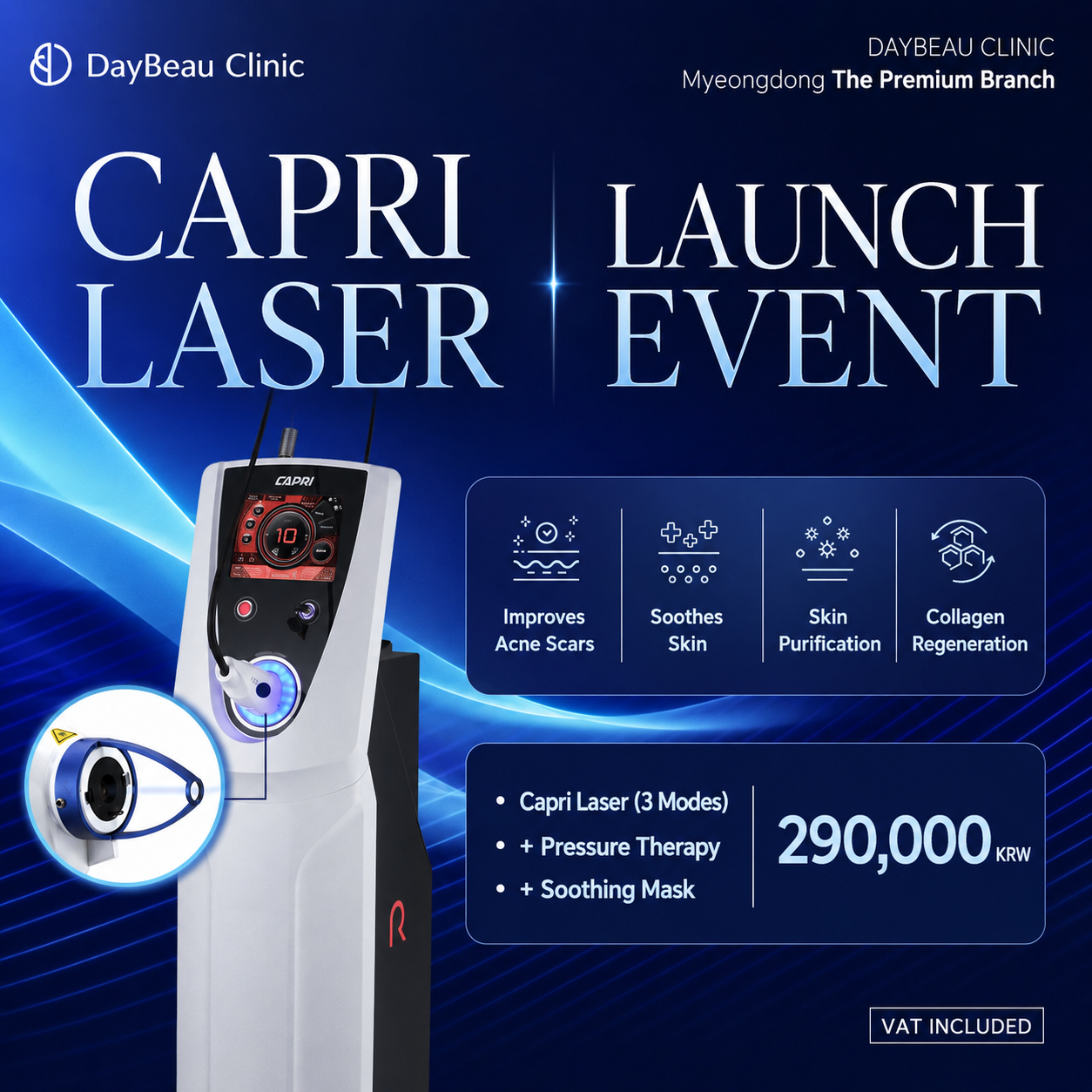
Laser skin resurfacing uses focused laser energy to precisely remove layers of skin or stimulate collagen production. Common lasers include CO2 fractional lasers or erbium lasers.
It targets wrinkles, scars, pigmentation, and overall skin tone while promoting new collagen formation for rejuvenation.
Why Patients Choose Laser Skin Resurfacing
✔ Precise control over depth and treatment area
✔ Can address fine lines, pigmentation, and scars simultaneously
✔ Promotes collagen remodeling for long-term improvement
✔ Adjustable energy settings for different skin types
✔ Minimally invasive with predictable outcomes
Laser resurfacing is preferred by patients seeking controlled, customizable results with less manual trauma compared to traditional dermabrasion.
Key Differences Between Laser Skin Resurfacing and Dermabrasion
The main difference lies in method and precision.
- Dermabrasion is a mechanical procedure that removes skin layers uniformly, relying on skill to avoid unevenness. Recovery can be longer and results depend on technique.
- Laser resurfacing provides targeted ablation or stimulation, with adjustable depth and pattern. It allows more precise control, reduces the risk of over-removal, and often promotes faster healing.
In summary, dermabrasion is effective for general surface smoothing, while laser resurfacing allows precision and multi-faceted rejuvenation.
Downtime Comparison
Both procedures require some recovery, but laser resurfacing often allows better control over healing.
- Dermabrasion may result in:
- Redness and swelling for several days
- Scabbing or peeling for 1–2 weeks
- Avoidance of sun exposure during recovery
- Laser resurfacing may cause:
- Mild to moderate redness for a few days
- Temporary swelling or warmth
- Occasional light peeling
With proper post-care, laser resurfacing can provide faster recovery and less risk of uneven skin texture.
Which Is Better Skin Rejuvenation?
For fine lines, pigmentation, and overall tone improvement, laser resurfacing is often preferred for its precision and predictability.
For superficial acne scars or broad surface roughness, dermabrasion remains an effective option.
Many Seoul dermatologists may combine:
- Fractional laser sessions for collagen stimulation
- Targeted dermabrasion for specific scar areas
- Topical post-care for healing and skin hydration
This approach balances effectiveness, recovery, and long-term results.
Ideal for Travelers Visiting Seoul
Both procedures can be adapted for medical tourism with proper scheduling.
Most patients experience:
- No need for hospitalization
- Redness and peeling manageable within a week
- Minimal interference with sightseeing if planned conservatively
Short trips may favor lighter laser sessions to reduce visible downtime.
Who Is a Good Candidate for Dermabrasion?
- Surface-level acne scars or rough texture
- Patients comfortable with mechanical procedures
- Those seeking immediate smoothing effects
- Patients with lighter skin types to reduce pigmentation risk
- Individuals prepared for slightly longer recovery
Who Is a Good Candidate for Laser Skin Resurfacing?
- Fine lines, wrinkles, or pigmentation issues
- Patients wanting precise, controlled rejuvenation
- Acne or surgical scars needing targeted treatment
- Those preferring adjustable energy and depth
- Patients seeking predictable recovery and long-term collagen stimulation
Expected Results Timeline
- Initial smoothing or tone improvement visible within 1–2 weeks
- Continued collagen remodeling and scar reduction over 1–3 months
- Maximum results often seen after 3–5 sessions for fractional treatments
- Long-term maintenance depends on sun protection and skincare routine
Final Takeaway
Laser skin resurfacing and dermabrasion in Korea both provide effective skin rejuvenation options for international visitors.
Dermabrasion is a mechanical, hands-on approach for surface-level smoothing, while laser resurfacing offers precision, adjustable depth, and multi-targeted improvement.
Choosing the right method depends on skin concerns, tolerance for downtime, and desired results. Personalized plans in Seoul clinics help achieve smoother, brighter skin with predictable recovery and minimal disruption to travel. ✨