Collagen Induction Therapy vs Fractional Laser in Korea
For visitors coming to Seoul for skin rejuvenation, choosing the right procedure to improve texture, minimize scarring, and boost collagen can be confusing. Many international patients ask whether collagen induction therapy (microneedling) or fractional laser treatments are better for their skin concerns.
Both are widely performed in Korea, but they differ in mechanism, depth, precision, and recovery.
What Is Collagen Induction Therapy?
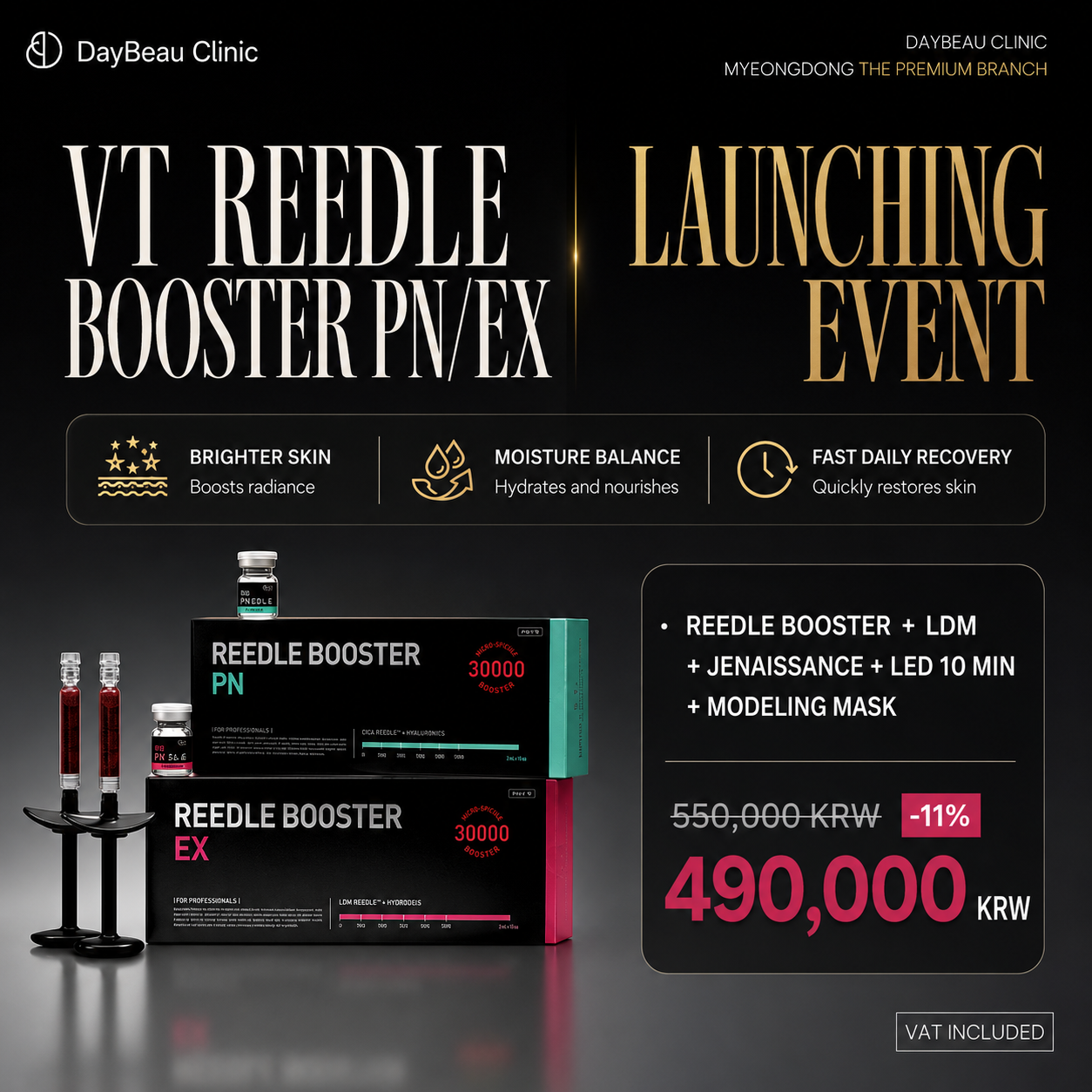
Collagen induction therapy (CIT), commonly known as microneedling, uses fine needles to create micro-injuries in the skin.
These controlled injuries stimulate the skin’s natural healing process, promoting collagen and elastin production while improving texture, fine lines, and acne scars.
Why Patients Choose Collagen Induction Therapy
✔ Minimally invasive with low downtime
✔ Improves skin texture, pores, and superficial scars
✔ Safe for most skin types, including darker tones
✔ Can be combined with serums or growth factors for enhanced results
✔ Gradual improvement over multiple sessions
CIT is often recommended for patients seeking natural skin rejuvenation without aggressive energy-based procedures.
What Is Fractional Laser Treatment?
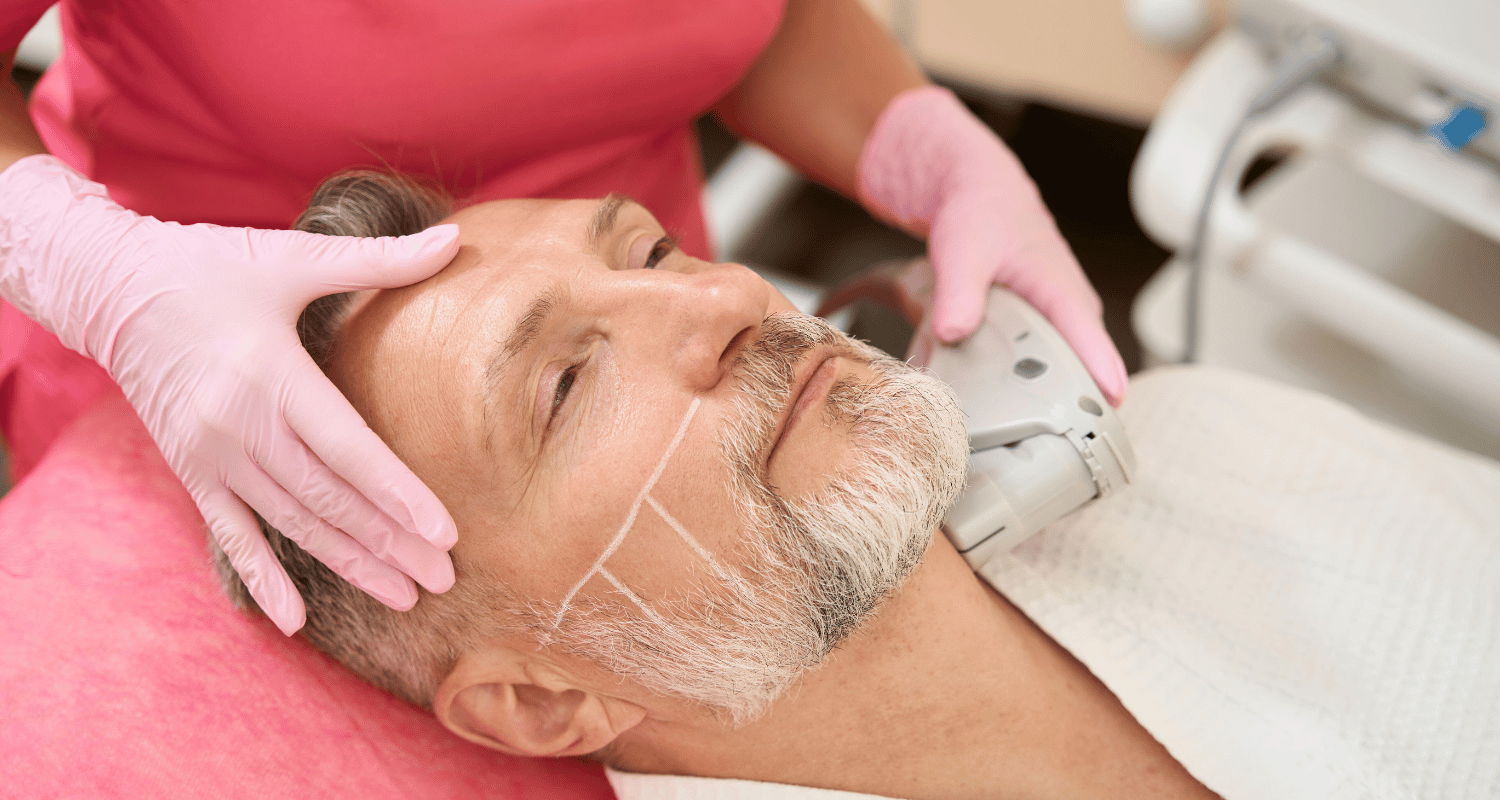
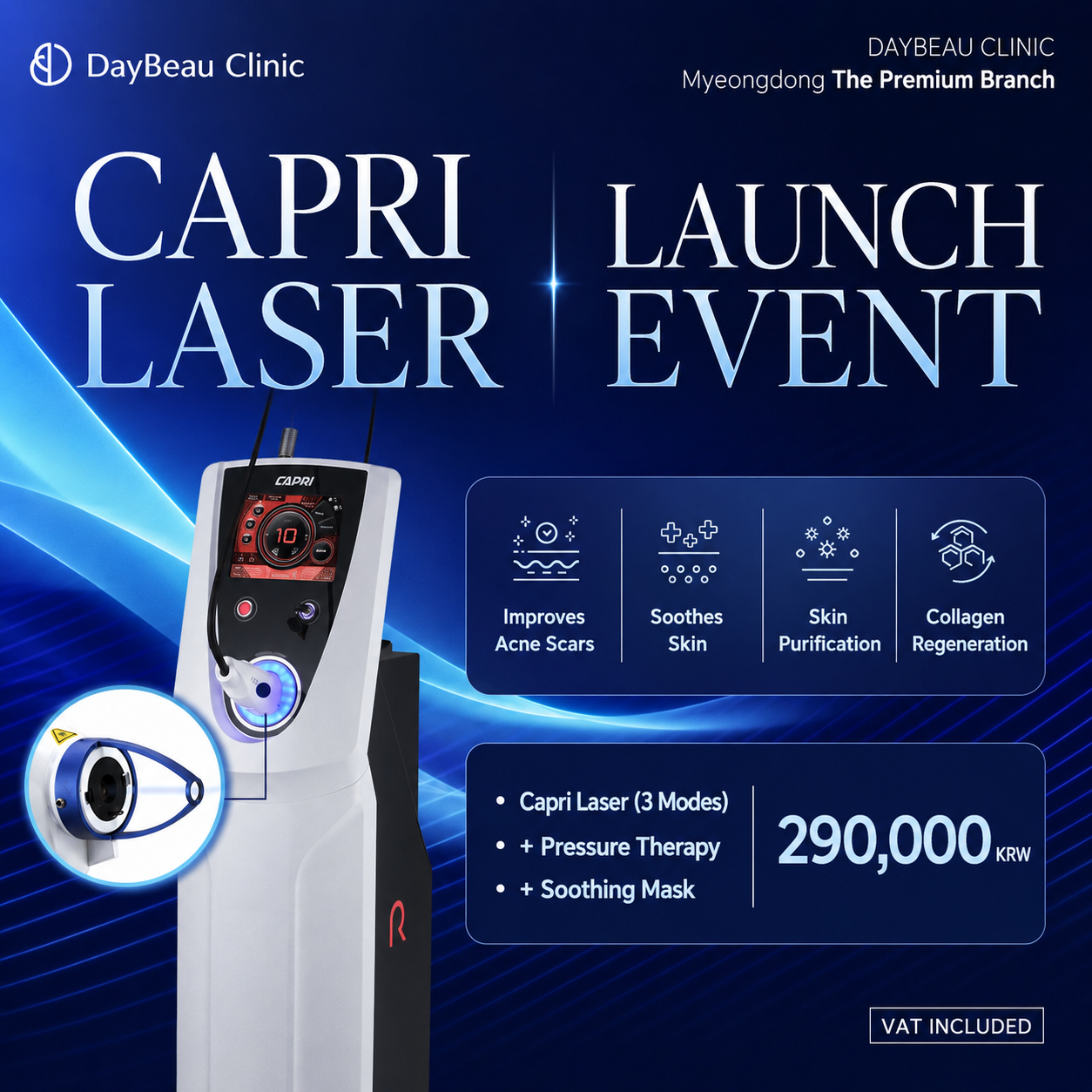
Fractional laser treatment delivers laser energy in a grid-like pattern, creating microscopic columns of controlled injury while leaving surrounding skin intact.
This promotes collagen remodeling, reduces pigmentation, and improves fine lines and acne scars more aggressively than microneedling.
Why Patients Choose Fractional Laser Treatment
✔ Precise control over treatment depth and area
✔ Faster and more dramatic improvement per session
✔ Effective for deeper scars and wrinkles
✔ Can target pigmentation and texture simultaneously
✔ Widely used in Korean dermatology clinics for skin rejuvenation
Fractional laser is often preferred by patients seeking quicker visible improvement, especially for moderate to severe skin issues.
Key Differences Between Collagen Induction Therapy and Fractional Laser
The main difference lies in treatment mechanism and intensity.
- Collagen induction therapy is needle-based, inducing natural collagen formation gradually. It has lower risk of pigmentation changes and is gentler on sensitive skin.
- Fractional laser uses controlled thermal injury to remodel collagen more aggressively, providing faster improvement but requiring careful energy control to avoid irritation, especially in darker skin tones.
In summary, CIT emphasizes gentle, natural collagen stimulation, while fractional laser prioritizes precise, faster remodeling of skin structure.
Downtime Comparison
Both treatments are considered minimally to moderately invasive, but recovery varies.
- Collagen induction therapy may cause:
- Mild redness for a few hours
- Occasional pinpoint bleeding or sensitivity
- Makeup typically possible same day
- Fractional laser may cause:
- Redness and mild swelling for 1–3 days
- Light peeling or flaking
- Temporary warmth or sensitivity
Post-treatment care is essential for both to support healing and optimize results.
Which Is Better Skin Rejuvenation?
For mild texture issues, enlarged pores, or superficial acne scars, collagen induction therapy is often sufficient and gentler on the skin.
For deeper scars, wrinkles, or combined concerns with pigmentation, fractional laser can provide more noticeable improvement per session.
Many Seoul dermatologists combine:
- Collagen induction therapy for superficial texture and pore refinement
- Fractional laser for deeper scars or pigmentation
- Topical growth factors or serums to enhance healing
This integrated approach balances effectiveness, recovery, and long-term results.
Ideal for Travelers Visiting Seoul
Both procedures are suitable for short medical tourism trips.
Most patients experience:
- Minimal open wounds
- Redness and sensitivity manageable within a few days
- Short recovery compatible with sightseeing
Conservative settings can ensure treatment without interfering with travel plans.
Who Is a Good Candidate for Collagen Induction Therapy?
- Mild acne scars or surface irregularities
- Enlarged pores
- Sensitive skin types
- Patients seeking gradual improvement
- Those preferring low-downtime procedures
Who Is a Good Candidate for Fractional Laser Treatment?
- Moderate to severe acne or surgical scars
- Fine lines and wrinkles
- Patients wanting faster visible results
- Those with pigmentation or texture concerns
- Individuals comfortable with short-term redness or peeling
Expected Results Timeline
- Initial improvement visible after 1 session for texture or tone
- Noticeable collagen remodeling after 3–5 sessions
- Maximum improvement often seen after 6–8 sessions
- Long-term results depend on sun protection and ongoing skincare
Final Takeaway
Collagen induction therapy and fractional laser in Korea both provide safe and effective skin rejuvenation options for international visitors.
CIT focuses on gentle, gradual collagen stimulation and minimal downtime, while fractional laser delivers precise, faster improvement for deeper scars, wrinkles, and pigmentation.
The best choice depends on skin type, concerns, and tolerance for downtime. In Seoul clinics, customized treatment plans help achieve smoother, firmer, and brighter skin while minimizing recovery disruption. ✨