Combination Acne Treatment vs Single Laser in Korea
For visitors coming to Seoul for acne management, understanding the difference between single laser treatment and a combination approach is important. International patients often ask which method provides faster improvement, fewer side effects, and better long-term results.
Both single-laser therapy and combination acne treatments are widely offered in Korea, but they differ in mechanism, intensity, and overall effectiveness.
What Is Single Laser Treatment for Acne?
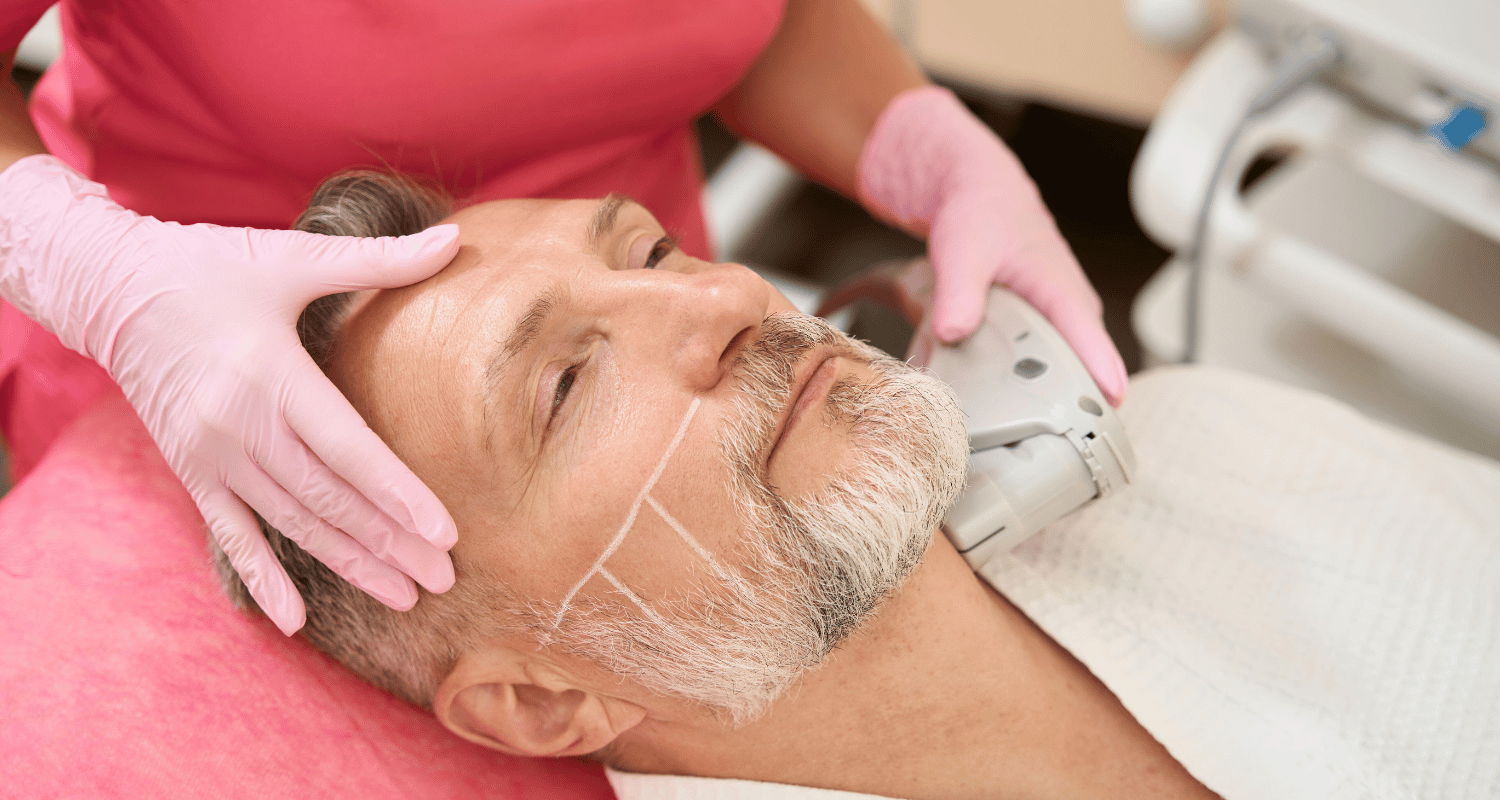
Single-laser acne treatment uses one type of laser, typically targeting either inflammation, sebaceous gland activity, or post-acne pigmentation. Common lasers include fractional lasers, Nd:YAG, or pulsed dye lasers.
It is usually performed in multiple sessions to gradually reduce active acne lesions and prevent scarring.
Why Patients Choose Single Laser Treatment
✔ Focused approach on a specific skin issue
✔ Minimal layering of procedures
✔ Lower risk of immediate irritation
✔ Short treatment time per session
✔ Can be combined later with topical or oral medications
Single-laser therapy is often recommended for patients with mild to moderate acne who want a targeted solution without combining multiple devices.
What Is Combination Acne Treatment?
Combination acne treatment integrates two or more modalities, such as laser, light therapy, chemical peeling, and topical treatments, to address multiple aspects of acne at once.
This approach targets active lesions, excess sebum, bacteria, and post-acne pigmentation simultaneously for a more comprehensive improvement.
Why Patients Choose Combination Treatment
✔ Treats multiple acne causes at the same time
✔ Reduces inflammation and prevents future breakouts
✔ Addresses pigmentation and early scarring
✔ Often faster visible results per treatment cycle
✔ Can be tailored to individual skin type and acne severity
Combination treatment is often preferred by patients seeking quicker overall improvement, especially when acne is persistent or multifactorial.
Key Differences Between Combination and Single Laser Treatments
The main difference lies in the scope of treatment and mechanism of action.
- Single laser treatment focuses on one target, such as redness or pigmentation. Improvement is gradual and usually requires consistent sessions over several weeks.
- Combination treatment integrates multiple methods to target inflammation, sebum control, and pigmentation simultaneously. This can accelerate results and provide more comprehensive skin improvement, but energy settings and recovery time must be carefully managed to avoid irritation.
In summary, single-laser therapy prioritizes simplicity and targeted action, while combination therapy emphasizes faster, broader results for complex acne cases.
Downtime Comparison
Both approaches are generally low to moderate downtime, depending on laser intensity and combination methods used.
- Single-laser sessions may result in:
- Mild redness or warmth for a few hours
- Occasional light peeling
- Makeup possible same day in most cases
- Combination treatments may cause:
- Redness lasting 1–2 days
- Temporary dryness or slight peeling
- Mild sensitivity to sun exposure
Proper post-care and sun protection help minimize downtime and support faster recovery.
Which Is Better for Acne?
For mild or isolated acne, single-laser treatment may be sufficient and safer for sensitive skin.
For moderate to severe, persistent, or mixed-type acne, combination therapy is often more effective in addressing multiple contributing factors at once.
Many Seoul dermatologists design programs that combine:
- Laser therapy for inflammation and redness
- Light-based antibacterial treatment
- Chemical peeling for exfoliation
- Topical or oral medications for sebum and bacterial control
This comprehensive strategy maximizes results while balancing safety and skin recovery.
Ideal for Travelers Visiting Seoul
Both approaches can be adapted for short-term medical tourism stays.
Most patients experience:
- No significant open wounds
- Minimal visible redness
- Short recovery time compatible with sightseeing
Conservative settings and proper scheduling allow travelers to maintain daily activities with minimal interruption.
Who Is a Good Candidate for Single Laser Treatment?
- Mild or isolated acne lesions
- Sensitive or reactive skin
- First-time laser users
- Patients preferring minimal intervention
- Those with low downtime tolerance
Who Is a Good Candidate for Combination Acne Treatment?
- Moderate to severe acne
- Mixed-type acne (inflammatory, pustules, and pigmentation)
- Patients seeking faster overall improvement
- Those comfortable with slightly longer sessions or layered procedures
- Patients with prior ineffective single-laser results
Expected Results Timeline
- Mild improvement often visible after 1–2 sessions
- Noticeable reduction in inflammation and breakouts after 3–5 sessions
- Pigmentation and scarring improvement over 6–8 sessions
- Long-term control depends on skincare, lifestyle, and follow-up care
Final Takeaway
Combination acne treatment and single-laser therapy in Korea both provide safe and effective options for international visitors.
Single-laser treatment offers focused, gradual improvement with minimal downtime, while combination therapy addresses multiple acne factors simultaneously for faster and more comprehensive results.
Choosing the best approach depends on acne severity, skin type, and travel schedule. In Seoul’s clinics, individualized treatment plans help achieve clear, healthy skin without disrupting daily activities or travel. ✨