Vbeam vs Excel V for Broken Capillaries in Korea
Broken capillaries (also called telangiectasia or facial thread veins) are small dilated blood vessels that appear on the nose, cheeks, or chin. They are commonly associated with rosacea, sun damage, or sensitive skin.
In Korean dermatology clinics, two of the most commonly used vascular lasers for treating these vessels are Vbeam and Excel V. Both treatments target hemoglobin inside blood vessels, causing the vessel walls to collapse so the body can gradually absorb them over time.
Although they address similar concerns, the technology, wavelength range, and recovery characteristics differ.
What Is Vbeam?
Vbeam is a pulsed dye laser (PDL) that uses a 595 nm wavelength specifically designed to target hemoglobin within blood vessels.
When the laser energy is absorbed by the blood vessel, it generates controlled heat that coagulates the vessel and allows the body to naturally clear it over the following weeks.
Vbeam has long been considered a standard treatment for facial redness and vascular lesions in dermatology.
Why Patients Choose Vbeam
✔ Highly effective for superficial broken capillaries
✔ Strong targeting of hemoglobin in blood vessels
✔ Well-established technology with long clinical use
✔ Effective for rosacea-related redness
✔ Often produces noticeable improvement after a few sessions
What Is Excel V?
Excel V is a vascular laser system that uses two wavelengths: 532 nm and 1064 nm.
These wavelengths allow the device to treat both superficial and deeper blood vessels during the same session. The energy heats the targeted vessel, causing it to collapse and gradually fade as the body absorbs it.
Because it combines two wavelengths, Excel V is often used for a wider range of vascular concerns compared with single-wavelength lasers.
Why Patients Choose Excel V
✔ Dual wavelengths allow treatment of multiple vessel depths
✔ Effective for both superficial and deeper capillaries
✔ Can address redness and some pigment concerns
✔ Often associated with less visible bruising
✔ Versatile vascular treatment widely used in dermatology
Key Differences Between Vbeam and Excel V
The main difference lies in wavelength configuration and treatment versatility.
- Vbeam uses a single 595 nm pulsed dye laser that primarily targets superficial blood vessels. This focused wavelength is highly absorbed by hemoglobin, making it very effective for surface redness and rosacea-related capillaries.
- Excel V uses two wavelengths (532 nm and 1064 nm), allowing treatment of both superficial and deeper vascular structures. The additional 1064 nm wavelength can penetrate further into the skin, enabling treatment of deeper vessels during the same session.
In general, Vbeam is more specialized for superficial redness, while Excel V provides greater versatility for mixed vascular concerns.
Downtime Comparison
Both treatments are considered minimally invasive, but recovery patterns can differ.
- With Vbeam, some patients experience:
- Redness and swelling for several days
- Temporary bruising (purpura) in stronger settings
- Gradual fading of treated vessels over a few weeks
- With Excel V, patients may experience:
- Mild redness or warmth for 1–2 days
- Occasional slight swelling
- Lower likelihood of visible bruising
Because Vbeam can intentionally rupture small vessels during treatment, bruising may occur in some cases and take longer to fade.
Which Is Better for Broken Capillaries?
Both lasers can effectively treat broken capillaries, but the best option often depends on vessel type and depth.
Vbeam is often preferred for:
- superficial facial capillaries
- diffuse redness or rosacea
- patients needing strong targeting of surface vessels
Excel V may be preferred for:
- mixed superficial and deeper vessels
- multiple vascular lesion types
- patients wanting more customizable treatment settings
In some cases, dermatologists choose the device based on vessel size, location, and skin sensitivity.
Ideal for Travelers Visiting Seoul
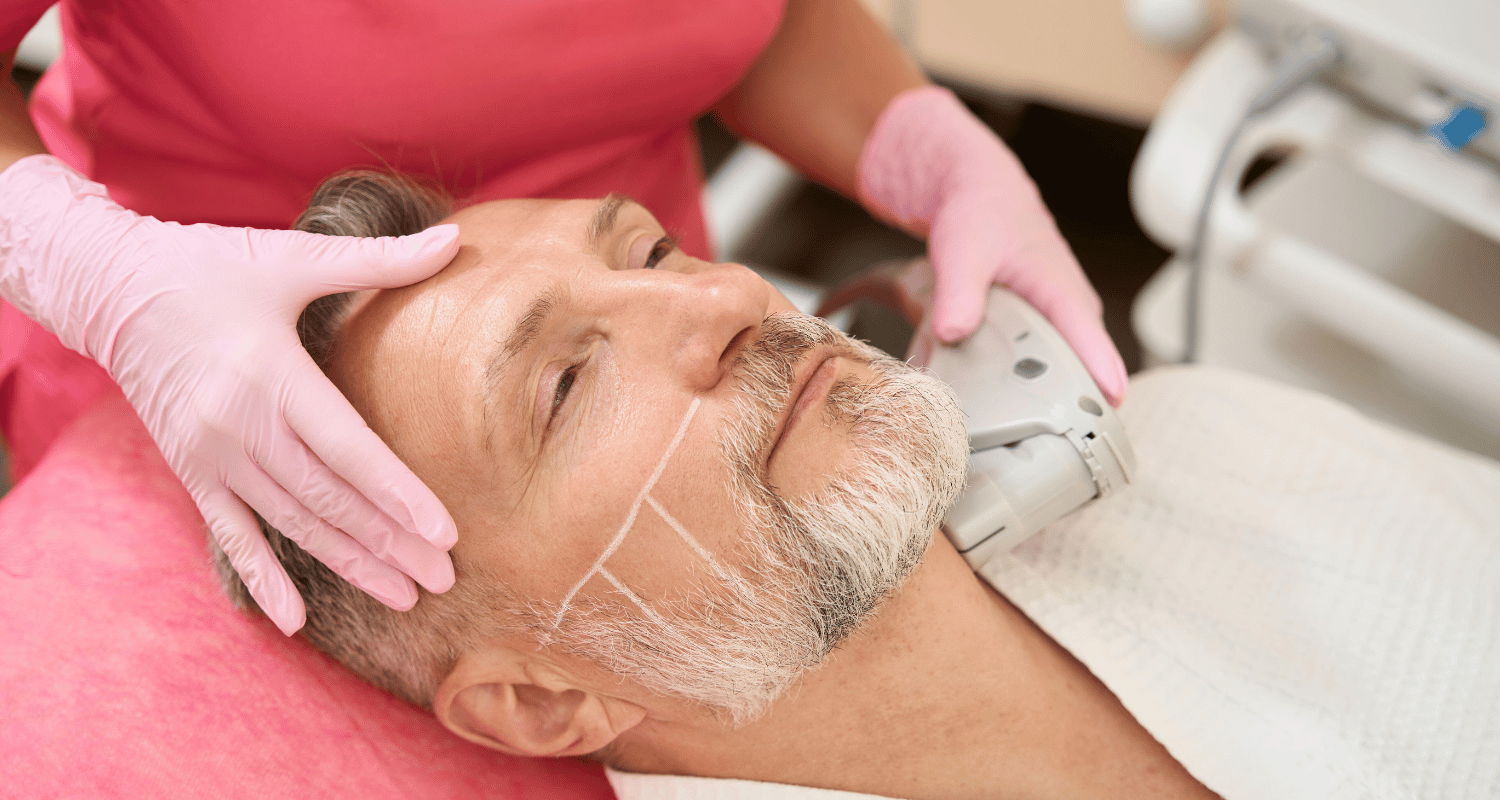
Both treatments are commonly performed in Korean dermatology clinics and are generally compatible with short medical tourism visits.
Most patients experience:
- No open wounds
- No bandages
- Mild temporary redness
- Quick return to normal activities
This makes vascular laser treatments convenient for travelers who want visible skin improvement without extended recovery time.
Who Is a Good Candidate for Vbeam?
- Patients with rosacea-related redness
- Individuals with superficial facial capillaries
- People with persistent facial flushing
- Those seeking a long-established vascular laser treatment
Who Is a Good Candidate for Excel V?
- Patients with both superficial and deeper vessels
- Individuals with mixed redness and vascular lesions
- People seeking versatile vascular treatment options
- Patients wanting lower risk of visible bruising
Expected Results Timeline
- Some redness reduction may appear within 1–2 weeks
- Broken capillaries gradually fade as vessels are absorbed
- Many patients require 1–3 sessions depending on severity
- Maintenance sessions may help manage recurring redness
Final Takeaway
Vbeam and Excel V are both advanced vascular laser treatments used in Korea to address broken capillaries and facial redness.
Vbeam focuses on precise treatment of superficial blood vessels, making it particularly effective for rosacea and surface capillaries. Excel V uses dual wavelengths that can treat vessels at different depths, offering greater versatility.
The most appropriate option depends on vessel depth, redness pattern, and individual skin sensitivity, which are typically evaluated before treatment to ensure balanced and natural-looking results. ✨