Pico Laser vs Stem Cell Facial in Korea
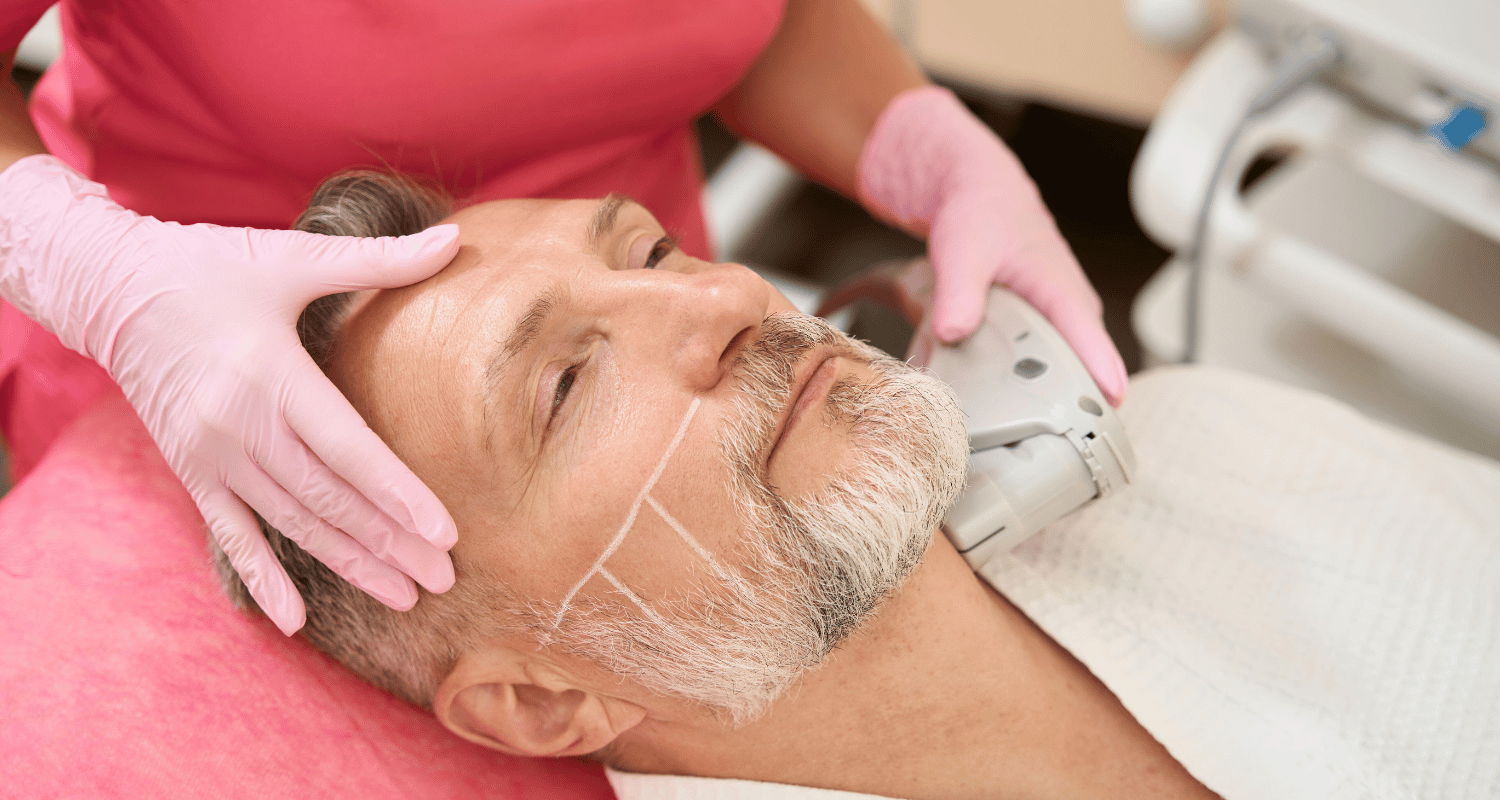
For visitors traveling to Seoul for skin rejuvenation, two treatments that often appear on clinic menus are Pico laser treatments and stem cell facials. Both aim to improve skin quality, radiance, and texture, but they work through completely different mechanisms.
Pico laser relies on advanced laser technology to stimulate collagen and break down pigment, while stem cell facials focus on regenerative ingredients that support skin repair and renewal. Understanding how these approaches differ can help patients choose the option that best matches their skin concerns.
What Is Pico Laser?
Pico laser treatments use picosecond pulses of laser energy to deliver extremely short bursts of light into the skin. These pulses create mechanical pressure that breaks down pigment particles and stimulates collagen production without excessive heat damage.
Because of this mechanism, Pico lasers are widely used to improve uneven skin tone, acne marks, enlarged pores, and mild skin texture issues while maintaining relatively minimal downtime.
Why Patients Choose Pico Laser
✔ Breaks down pigmentation such as freckles and sun spots
✔ Stimulates collagen for smoother skin texture
✔ Helps improve pores and mild acne scars
✔ Minimal downtime compared with aggressive resurfacing lasers
✔ Widely used laser technology in Korean dermatology
Pico laser treatments are often performed in multiple sessions to gradually improve skin tone and overall skin quality.
What Is a Stem Cell Facial?
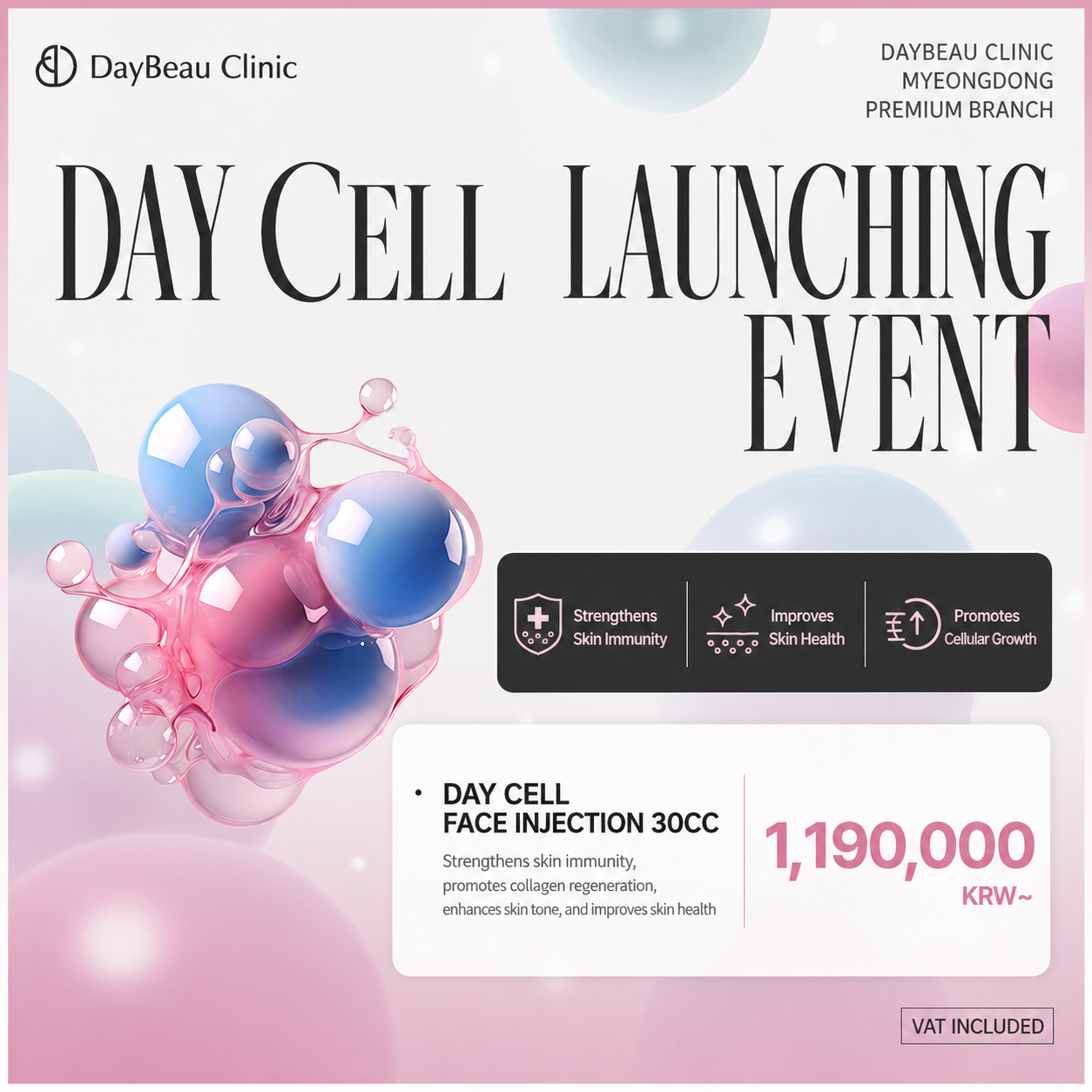
A stem cell facial is a regenerative skin treatment that uses stem-cell-derived ingredients such as growth factors or exosomes to support skin repair and rejuvenation. These substances may be delivered through microneedling, topical application, or injection depending on the protocol.
The goal of the treatment is to stimulate collagen, improve skin hydration, and enhance overall skin quality through biological signaling rather than energy-based devices.
Why Patients Choose Stem Cell Facial
✔ Promotes skin regeneration and repair
✔ Supports collagen and elastin production
✔ Improves skin hydration and radiance
✔ Often combined with microneedling or PRP
✔ Minimal downtime with a gentle treatment approach
Stem cell facials are often chosen by patients who prefer regenerative skin treatments focused on improving overall skin health.
Key Differences Between Pico Laser and Stem Cell Facial
The main difference lies in how each treatment stimulates skin improvement.
- Pico laser uses high-energy light pulses to break down pigment and create controlled micro-stimulation within the skin, which triggers collagen remodeling and texture improvement.
- Stem cell facials rely on biological growth factors or cell-derived components that signal skin cells to repair, regenerate, and produce collagen.
In summary, Pico laser is a device-based treatment that remodels the skin using laser energy, while stem cell facials focus on regenerative biochemical stimulation.
Downtime Comparison
Both treatments are generally considered low-downtime procedures.
- With Pico laser treatments, most patients experience:
- Mild redness for several hours
- Temporary warmth or sensitivity
- Makeup possible the same day
- With stem cell facial treatments, patients may experience:
- Mild redness from microneedling or application methods
- Slight swelling or sensitivity
- Recovery typically within one or two days
Recovery varies depending on the exact treatment technique used in the facial protocol.
Which Is Better for Skin Rejuvenation?
The best option often depends on the primary skin concern.
Pico laser may be more effective for pigmentation problems, uneven tone, and mild textural issues because it directly targets melanin and stimulates collagen remodeling.
Stem cell facials may be preferred by patients seeking overall skin quality improvement, hydration, and regenerative skin support rather than pigment removal.
In many Korean clinics, doctors sometimes combine treatments such as:
- Pico laser sessions
- Stem cell or exosome facials
- Skin boosters or hydrating injections
- Collagen-stimulating treatments
This layered approach can improve both pigmentation and overall skin health.
Ideal for Travelers Visiting Seoul
Both treatments are commonly offered to international visitors because they usually involve minimal downtime.
Most patients experience:
- No bandages
- Mild temporary redness
- Short treatment sessions
- Minimal interference with travel plans
However, multiple sessions are typically recommended for long-term skin improvement.
Who Is a Good Candidate for Pico Laser?
- Patients with pigmentation such as freckles or melasma
- Individuals with uneven skin tone
- Those with enlarged pores or mild acne scars
- Patients seeking laser-based collagen stimulation
- People wanting gradual skin brightening
Who Is a Good Candidate for Stem Cell Facial?
- Patients seeking regenerative skin treatments
- Individuals with dull or dehydrated skin
- People concerned about early aging signs
- Patients wanting improved skin quality and glow
- Those preferring non-laser rejuvenation treatments
Expected Results Timeline
- Subtle skin improvement may appear after early sessions
- Collagen production increases gradually over several weeks
- Multiple treatments typically provide better results
- Long-term improvements depend on skincare and sun protection
Final Takeaway
Pico laser and stem cell facial treatments in Korea represent two different approaches to skin rejuvenation.
Pico laser uses advanced picosecond laser energy to break down pigmentation and stimulate collagen, making it effective for tone and texture correction. Stem cell facials focus on regenerative ingredients that encourage skin repair and improved overall skin quality.
The best choice depends on whether the main goal is pigment correction or regenerative skin rejuvenation. In many cases, combining both approaches can help achieve clearer, healthier-looking skin with minimal downtime. ✨