Thread Lift vs Ultherapy in Korea
For visitors traveling to Seoul for non-surgical facial lifting, two commonly discussed procedures are thread lifts and Ultherapy. Both treatments aim to improve skin laxity and facial contours without traditional surgery, but they work through very different mechanisms.
Thread lifts physically reposition sagging tissue using dissolvable threads placed under the skin, while Ultherapy stimulates collagen deep within the skin using focused ultrasound energy. Because of these differences, the treatments are often chosen for different types of lifting goals.
What Is a Thread Lift?
A thread lift is a minimally invasive procedure in which absorbable threads are inserted under the skin to lift and support sagging tissue. Once positioned, the threads are gently tightened to create an immediate lifting effect.
Over time, the threads gradually dissolve while stimulating collagen production, helping improve skin firmness and structure. Thread lifts are commonly used to enhance the jawline, cheeks, and lower face.
Why Patients Choose Thread Lifts
✔ Immediate lifting and contour improvement
✔ Mechanical support for sagging areas
✔ Collagen stimulation as threads dissolve
✔ Effective for jawline and cheek lifting
✔ Suitable for moderate facial sagging
Because the threads physically reposition tissue, many patients notice visible contour changes immediately after the procedure.
What Is Ultherapy?
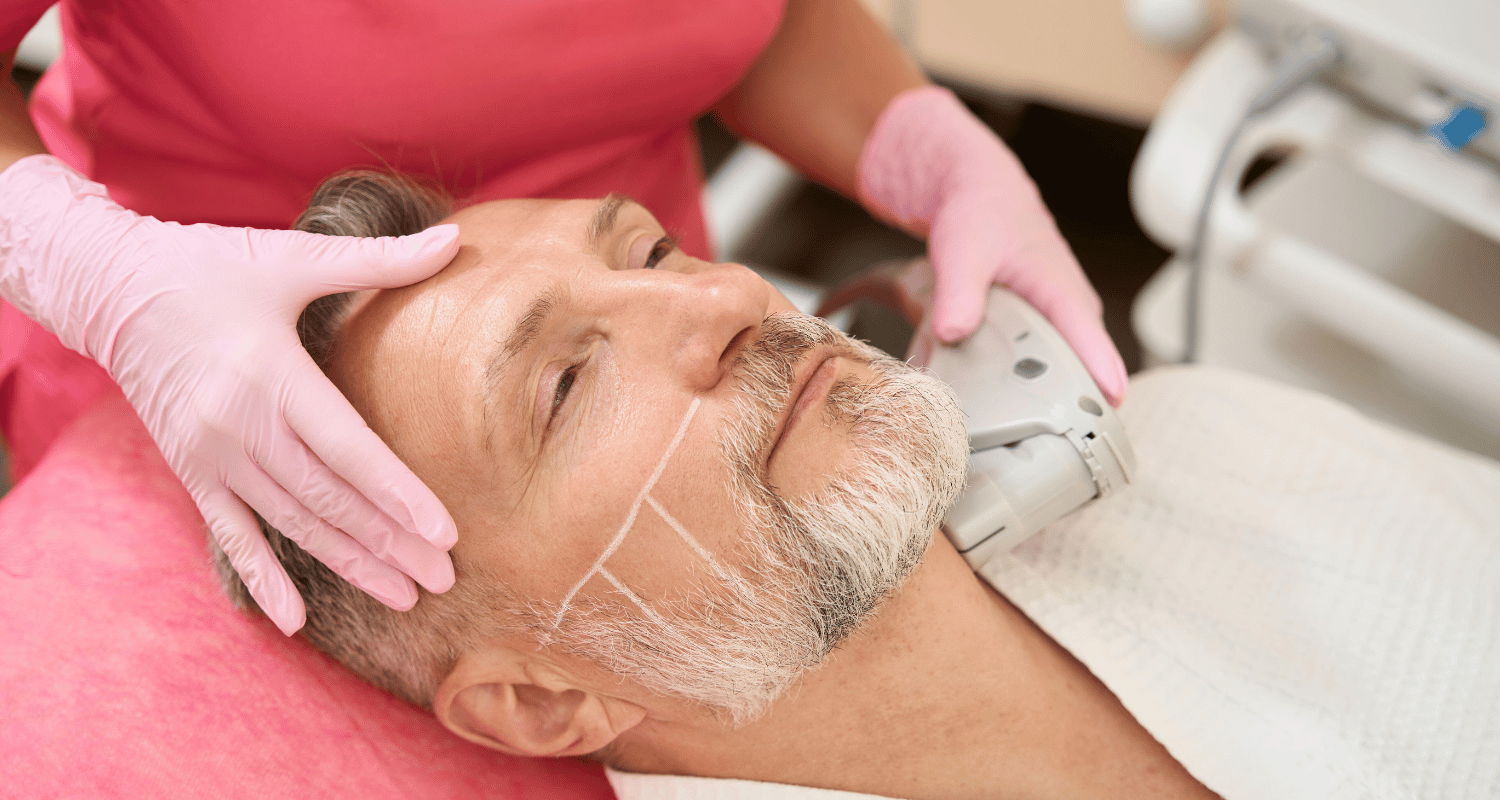
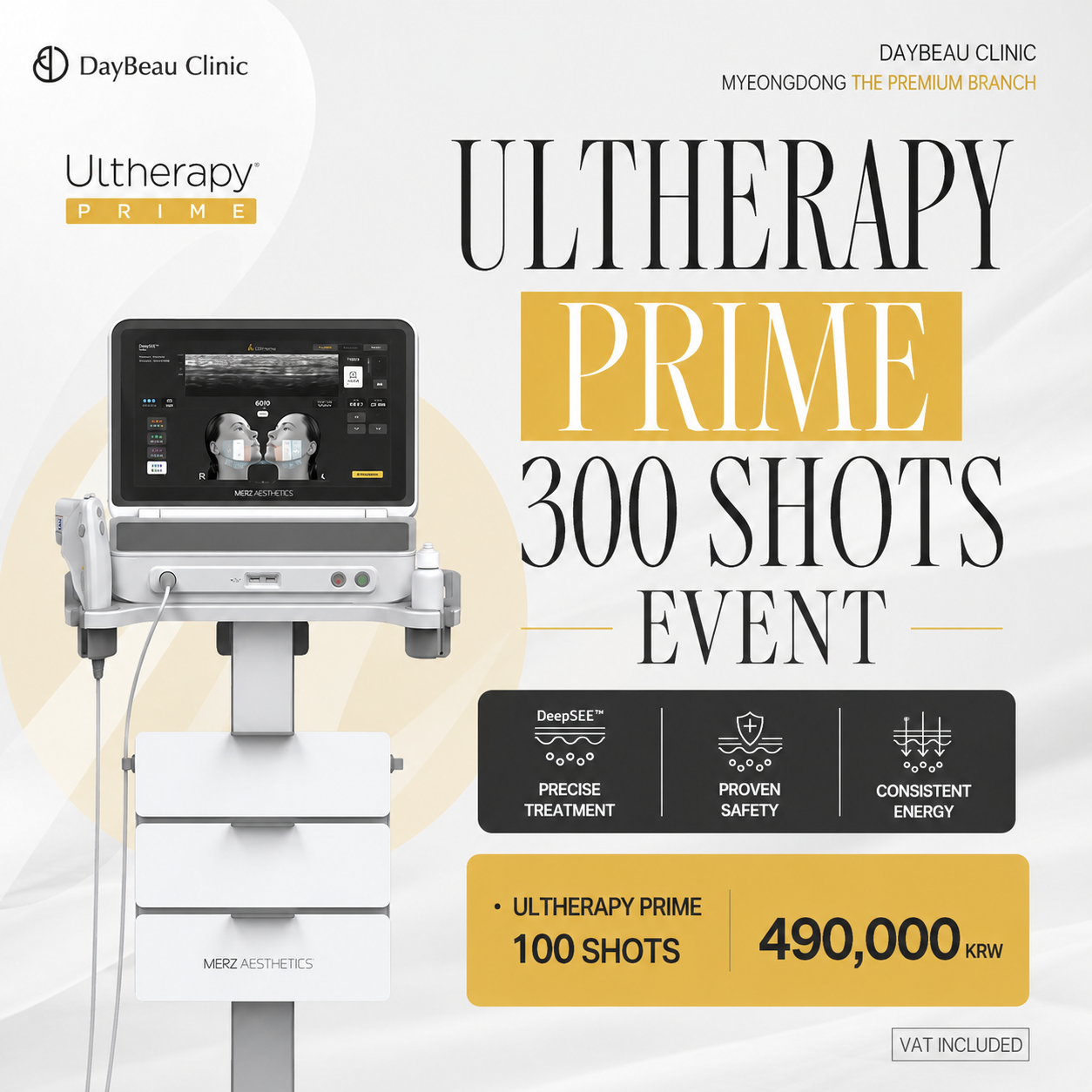
Ultherapy is a non-invasive lifting treatment that uses microfocused ultrasound energy to stimulate collagen production deep within the skin. The energy targets structural layers such as the SMAS layer, which is also addressed during surgical facelifts.
Unlike thread lifts, Ultherapy does not involve inserting materials under the skin. Instead, it relies on controlled heat energy to trigger natural collagen remodeling over time.
Why Patients Choose Ultherapy
✔ Completely non-invasive treatment
✔ Real-time ultrasound imaging for precise targeting
✔ Stimulates deep collagen production
✔ Gradual, natural-looking tightening results
✔ Popular for brow, jawline, and neck lifting
Many patients prefer Ultherapy because it provides skin tightening without needles or implanted materials.
Key Differences Between Thread Lift and Ultherapy
The main difference lies in how the lifting effect is created.
- Thread lifts create an immediate mechanical lift by physically repositioning tissue with dissolvable threads. This provides visible contour improvement right after the procedure while collagen stimulation develops gradually.
- Ultherapy works through biological collagen stimulation using focused ultrasound energy. Instead of physically lifting tissue, it tightens the deeper skin layers over time as new collagen forms.
In simple terms, thread lifts provide immediate structural lifting, while Ultherapy focuses on gradual tightening and collagen remodeling.
Downtime Comparison
Both treatments are less invasive than surgical facelifts, but their recovery experiences differ.
- With thread lifts, patients may experience:
- Mild swelling or bruising
- Tenderness around insertion points
- Minor restrictions in facial movement for 1–2 days
- Makeup typically possible after 1–2 days
- With Ultherapy, patients may experience:
- Mild redness for several hours
- Temporary warmth or tingling sensation
- Slight skin sensitivity
- Immediate return to normal activities
Because Ultherapy does not involve inserting threads, it generally has less downtime compared to thread lifting procedures.
Which Is Better for Facial Lifting?
The most suitable option depends on the degree of skin sagging and the desired results.
Thread lifts are often recommended for patients who want more noticeable lifting and contour repositioning, particularly around the jawline and cheeks.
Ultherapy is commonly chosen for patients seeking gradual tightening and collagen stimulation without undergoing a minimally invasive procedure.
In many Seoul clinics, doctors may combine treatments such as:
- Ultherapy for deep collagen stimulation
- Thread lifting for mechanical lifting support
- RF tightening for skin firmness
- Collagen-stimulating skincare treatments
This layered approach can address both structural sagging and skin quality simultaneously.
Ideal for Travelers Visiting Seoul
Both thread lifts and Ultherapy are popular among international patients visiting Seoul for aesthetic treatments.
Most patients experience:
- No large surgical wounds
- Short procedure times
- Minimal disruption to travel plans
- Gradual or immediate improvements depending on the treatment
However, patients planning thread lifts may prefer allowing an extra day for minor swelling or bruising to settle.
Who Is a Good Candidate for Thread Lift?
- Patients with moderate facial sagging
- Individuals seeking immediate lifting effects
- Those wanting jawline or cheek contour improvement
- Patients comfortable with minimally invasive procedures
- Individuals wanting stronger contour correction
Who Is a Good Candidate for Ultherapy?
- Patients with mild to moderate skin laxity
- Individuals seeking non-invasive tightening
- Those preferring gradual and natural-looking improvement
- Patients wanting minimal downtime
- Individuals interested in collagen-stimulating treatments
Expected Results Timeline
- Thread lifts show immediate contour improvement
- Collagen stimulation continues over the following weeks
- Ultherapy results gradually appear over 2–3 months
- Full tightening effects develop as collagen remodeling progresses
Maintenance treatments may be recommended depending on skin condition and aging progression.
Final Takeaway
Thread lifts and Ultherapy in Korea are both popular alternatives to surgical facelifts for patients seeking facial rejuvenation with minimal downtime.
Thread lifts provide immediate mechanical lifting and contour definition, while Ultherapy gradually tightens the skin by stimulating deep collagen production.
The most suitable treatment depends on the severity of skin laxity, desired results, and personal preferences. Many visitors to Seoul choose these procedures because they offer effective lifting options that can fit within a short medical tourism schedule. ✨