HIFU vs RF Tightening in Korea
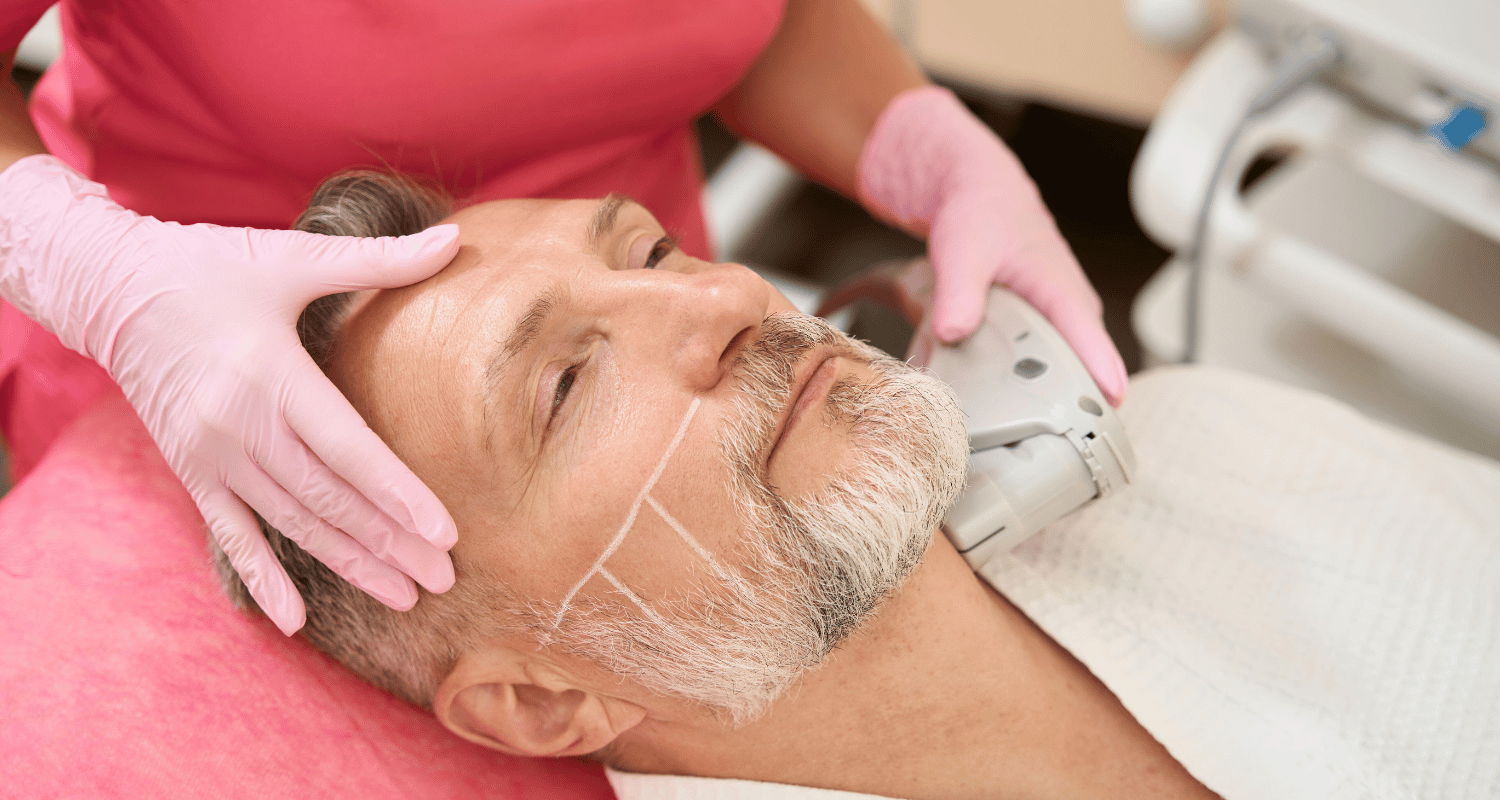
For visitors traveling to Seoul for non-surgical skin tightening, two of the most common technologies are HIFU and RF tightening. Both treatments stimulate collagen production and improve skin firmness, but they use different types of energy and target different skin layers.
Because of these differences, HIFU and RF are often chosen for different goals such as lifting sagging skin or improving overall skin elasticity.
What Is HIFU?
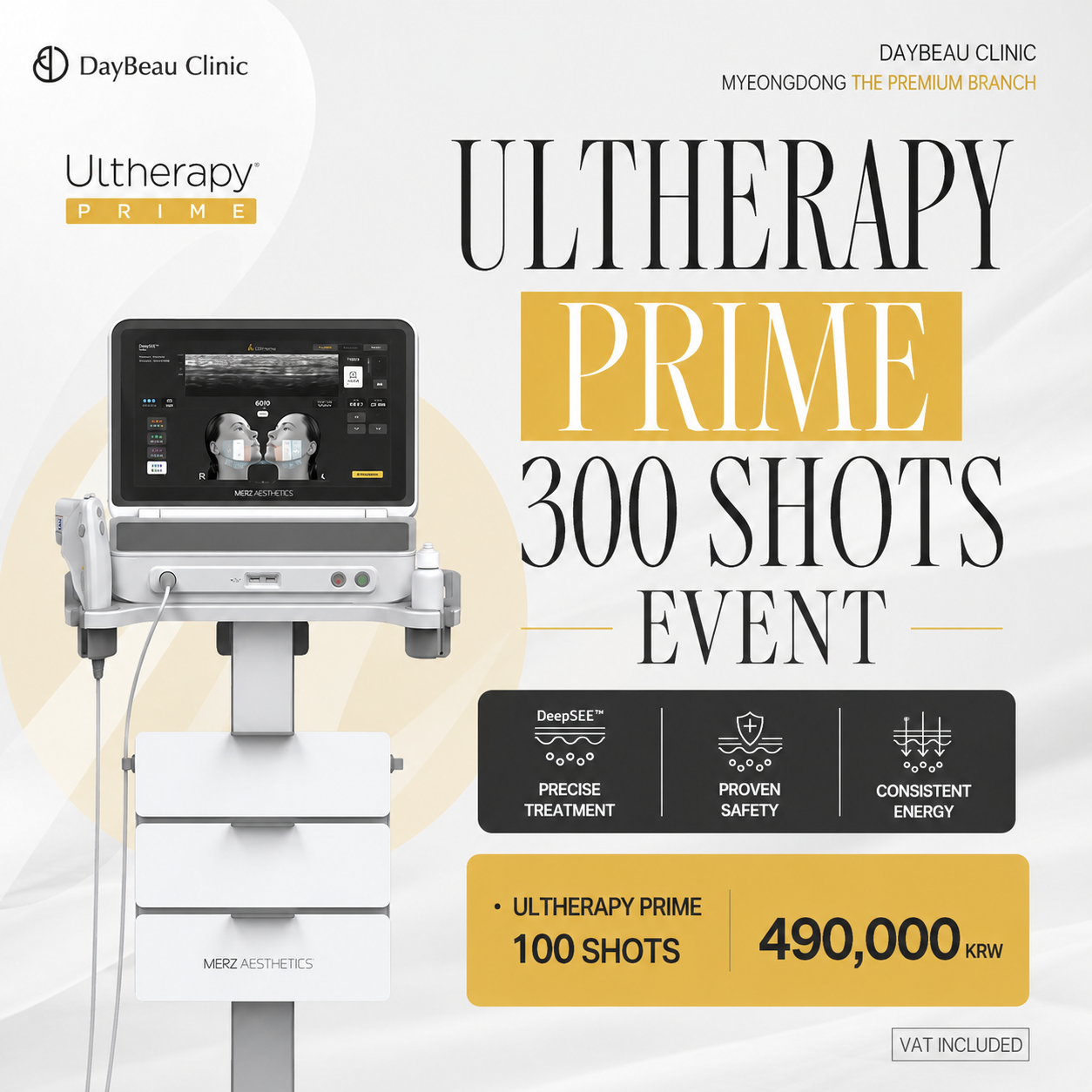
HIFU (High-Intensity Focused Ultrasound) uses concentrated ultrasound energy to create controlled heat points deep beneath the skin. The energy can reach the SMAS layer, which is the same structural layer tightened during surgical facelifts.
By stimulating collagen remodeling at deeper levels, HIFU can gradually lift sagging areas such as the jawline, cheeks, and neck. The tightening effect continues to improve over several months as new collagen forms.
Why Patients Choose HIFU
✔ Targets deeper structural layers of the skin
✔ Provides lifting and contouring effects
✔ Fewer sessions may be required
✔ Results can last longer compared to some treatments
✔ Popular for jawline and lower-face lifting
HIFU is commonly selected by patients who want a noticeable lifting effect without undergoing surgical procedures.
What Is RF Tightening?
RF (radiofrequency) tightening uses electromagnetic energy to heat the dermis, the middle layer of the skin. This gentle heating stimulates collagen production and improves elasticity, firmness, and overall skin texture.
Unlike HIFU, RF does not typically reach the deepest structural layers but instead focuses on improving skin quality and surface firmness over time.
Why Patients Choose RF Tightening
✔ Improves skin elasticity and texture
✔ Comfortable warming sensation during treatment
✔ Suitable for thinner or sensitive skin
✔ Often used for full-face tightening
✔ Effective as a maintenance treatment
RF treatments are widely used in Korea for gradual skin firming and overall skin quality improvement.
Key Differences Between HIFU and RF Tightening
The main differences between the two treatments involve energy type, treatment depth, and overall treatment goals.
- HIFU uses focused ultrasound energy to deliver heat deep into structural skin layers, including the SMAS layer. Because it reaches deeper tissue, it is often used to lift sagging areas such as the jawline, cheeks, and neck.
- RF tightening uses radiofrequency energy that heats the dermis more evenly and superficially. Instead of lifting deep tissue, it focuses on improving skin elasticity, firmness, and surface texture.
In simple terms, HIFU primarily focuses on lifting deeper structures, while RF tightening improves skin firmness and quality closer to the surface.
Downtime Comparison
Both treatments are considered non-invasive procedures with minimal recovery time.
- With HIFU, most patients experience:
- Mild redness for a few hours
- Temporary swelling or tenderness
- A slight tingling sensation in treated areas
- Normal activities possible the same day
- With RF tightening, patients may experience:
- Mild warmth or redness
- Slight skin sensitivity for several hours
- Immediate return to daily activities
Since neither treatment breaks the skin, downtime is typically minimal.
Which Is Better for Skin Tightening?
The better treatment depends on the type of skin laxity and the patient’s goals.
HIFU is generally preferred when deeper lifting is needed, especially for sagging around the jawline or cheeks. RF tightening, on the other hand, is commonly chosen for improving skin elasticity, texture, and mild looseness.
In many Seoul clinics, doctors may combine both technologies to target different skin layers.
Common combination approaches include:
- HIFU for deep lifting
- RF tightening for surface firmness
- Collagen-stimulating skincare treatments
- Maintenance treatments over time
This layered approach can help address both structural sagging and surface skin quality.
Ideal for Travelers Visiting Seoul
Both HIFU and RF tightening are convenient options for visitors seeking aesthetic procedures during short trips.
Most patients experience:
- No visible wounds
- No bandages required
- Mild temporary redness
- Immediate return to sightseeing or daily activities
Because recovery is minimal, these treatments are often chosen by medical tourists visiting Seoul.
Who Is a Good Candidate for HIFU?
- Patients with mild to moderate skin sagging
- Individuals seeking lifting and contour improvement
- Patients concerned about jawline or neck laxity
- Those wanting longer-lasting lifting effects
- Individuals comfortable with stronger energy treatments
Who Is a Good Candidate for RF Tightening?
- Patients with early signs of skin laxity
- Individuals seeking gradual tightening
- Patients with thin or sensitive skin
- Those wanting improvement in skin texture and elasticity
- Individuals interested in regular maintenance treatments
Expected Results Timeline
- Initial skin firmness may appear within a few weeks
- Collagen production gradually increases over 2–3 months
- Continued improvement over several months
- Maintenance treatments recommended depending on skin condition
Final Takeaway
HIFU and RF tightening in Korea are both popular non-surgical options for improving skin firmness and reducing signs of aging.
HIFU focuses on deeper structural lifting, making it suitable for patients with noticeable sagging, while RF tightening improves skin elasticity and texture at more superficial levels.
The most suitable option depends on the depth of skin laxity and the desired results. Many visitors to Seoul choose these treatments because they provide gradual tightening and collagen stimulation without the downtime associated with surgery. ✨