Pico Laser vs Fractional RF for Skin Texture in Korea
For visitors traveling to Seoul for skin texture improvement, two treatments that frequently appear in dermatology clinics are Pico laser and fractional RF (radiofrequency) treatments. Both procedures aim to improve rough skin texture, enlarged pores, and mild acne scars, but they use very different technologies.
Pico laser relies on ultra-short laser pulses to stimulate collagen and break down pigment, while fractional RF treatments use microneedles and radiofrequency heat to remodel deeper layers of the skin. Understanding how these technologies work can help patients choose the most appropriate option for smoother skin.
What Is Pico Laser?
Pico laser treatments use picosecond pulses of laser energy that deliver extremely short bursts of light into the skin. These pulses create microscopic disruptions beneath the skin surface that stimulate collagen production and skin remodeling.
In fractional modes, Pico lasers create tiny zones of controlled injury within the dermis, triggering the skin’s healing process and gradually improving texture, pores, and mild acne scars.
Why Patients Choose Pico Laser
✔ Helps improve uneven skin texture
✔ Stimulates collagen production
✔ Can treat pigmentation and texture at the same time
✔ Short treatment sessions
✔ Minimal downtime compared with aggressive resurfacing lasers
Because Pico lasers produce limited thermal damage, they are often considered suitable for patients seeking gradual improvement with relatively gentle treatment.
What Is Fractional RF?
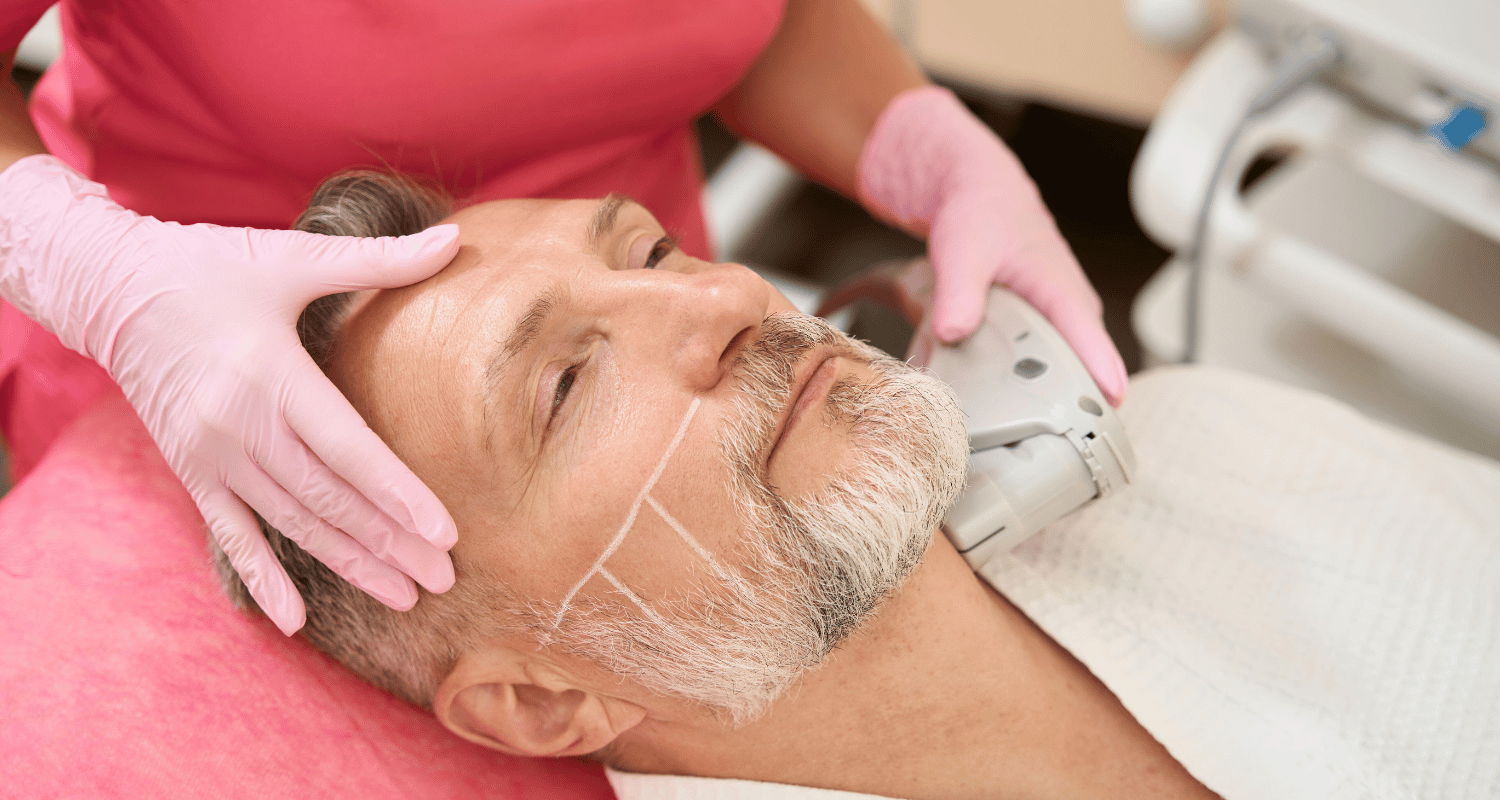
Fractional RF treatments—often performed as RF microneedling—use tiny insulated needles that penetrate the skin and deliver radiofrequency energy into the dermis. The heat generated in deeper skin layers stimulates collagen remodeling and tissue tightening.
This combination of mechanical microneedling and thermal stimulation can improve skin structure, reduce pore size, and enhance overall skin firmness.
Why Patients Choose Fractional RF
✔ Targets deeper dermal layers
✔ Stimulates strong collagen remodeling
✔ Improves acne scars and skin firmness
✔ Helps reduce enlarged pores
✔ Can improve overall skin tightening
Fractional RF treatments are commonly selected when deeper structural skin improvement is needed rather than only surface tone correction.
Key Differences Between Pico Laser and Fractional RF
The main difference lies in how energy is delivered and which skin layers are primarily affected.
- Pico laser uses light energy delivered in ultra-short pulses that stimulate collagen while also targeting pigment particles. It mainly improves superficial texture, tone irregularities, and mild acne scars.
- Fractional RF uses microneedles to deliver heat energy directly into the dermis, stimulating deeper collagen remodeling and tightening the skin structure.
In summary, Pico laser is often chosen for combined tone and texture improvement, while fractional RF focuses more on deeper structural remodeling and tightening.
Downtime Comparison
Both procedures usually involve relatively short recovery periods, although the type of downtime differs slightly.
- With Pico laser treatments, most patients experience:
- Mild redness lasting several hours
- Possible slight swelling
- Minimal disruption to daily activities
- With fractional RF treatments, patients may experience:
- Mild redness for 1–3 days
- Small pinpoint marks from microneedles
- Temporary swelling or sensitivity
Because of the deeper dermal stimulation, fractional RF treatments may involve slightly longer visible recovery than Pico laser sessions.
Which Is Better for Skin Texture?
The best treatment often depends on the underlying cause of uneven texture.
For surface roughness, enlarged pores, and pigmentation-related texture issues, Pico laser treatments may provide effective improvement because they address pigment and stimulate collagen simultaneously.
For deeper acne scars, skin laxity, or structural skin thinning, fractional RF treatments may be more effective because they stimulate collagen in deeper dermal layers.
In many Korean clinics, doctors often combine treatments such as:
- Pico laser treatments
- Fractional RF microneedling
- Skin boosters or hydrating injections
- Pore-refining treatments
This multi-layer approach can improve both surface tone and deeper skin structure.
Ideal for Travelers Visiting Seoul
Both treatments are commonly performed for international visitors due to their relatively quick recovery.
Most patients experience:
- No bandages
- Mild temporary redness
- Short treatment sessions
- Minimal interference with travel plans
However, several sessions are usually required for noticeable texture improvement.
Who Is a Good Candidate for Pico Laser?
- Patients with uneven skin tone and texture
- Individuals with post-acne pigmentation
- Those seeking gentle collagen stimulation
- Patients preferring minimal downtime
- People wanting combined brightening and texture improvement
Who Is a Good Candidate for Fractional RF?
- Patients with acne scars or deeper textural issues
- Individuals with enlarged pores
- People seeking stronger collagen remodeling
- Patients interested in skin tightening effects
- Those comfortable with microneedle-based treatments
Expected Results Timeline
- Early improvement may appear after initial sessions
- Collagen remodeling continues over several weeks
- Multiple treatments are typically recommended
- Long-term improvement depends on skincare and sun protection
Final Takeaway
Pico laser and fractional RF treatments in Korea both aim to improve skin texture, but they work through different mechanisms.
Pico laser uses ultra-short laser pulses to stimulate collagen and improve pigmentation and surface texture, while fractional RF delivers heat into deeper skin layers to strengthen the skin structure and tighten pores.
The most suitable option depends on whether the main concern is surface irregularity or deeper structural texture changes, and many patients benefit from combining both technologies for more comprehensive skin improvement. ✨