Er:YAG Laser vs CO2 Laser for Wrinkles in Korea
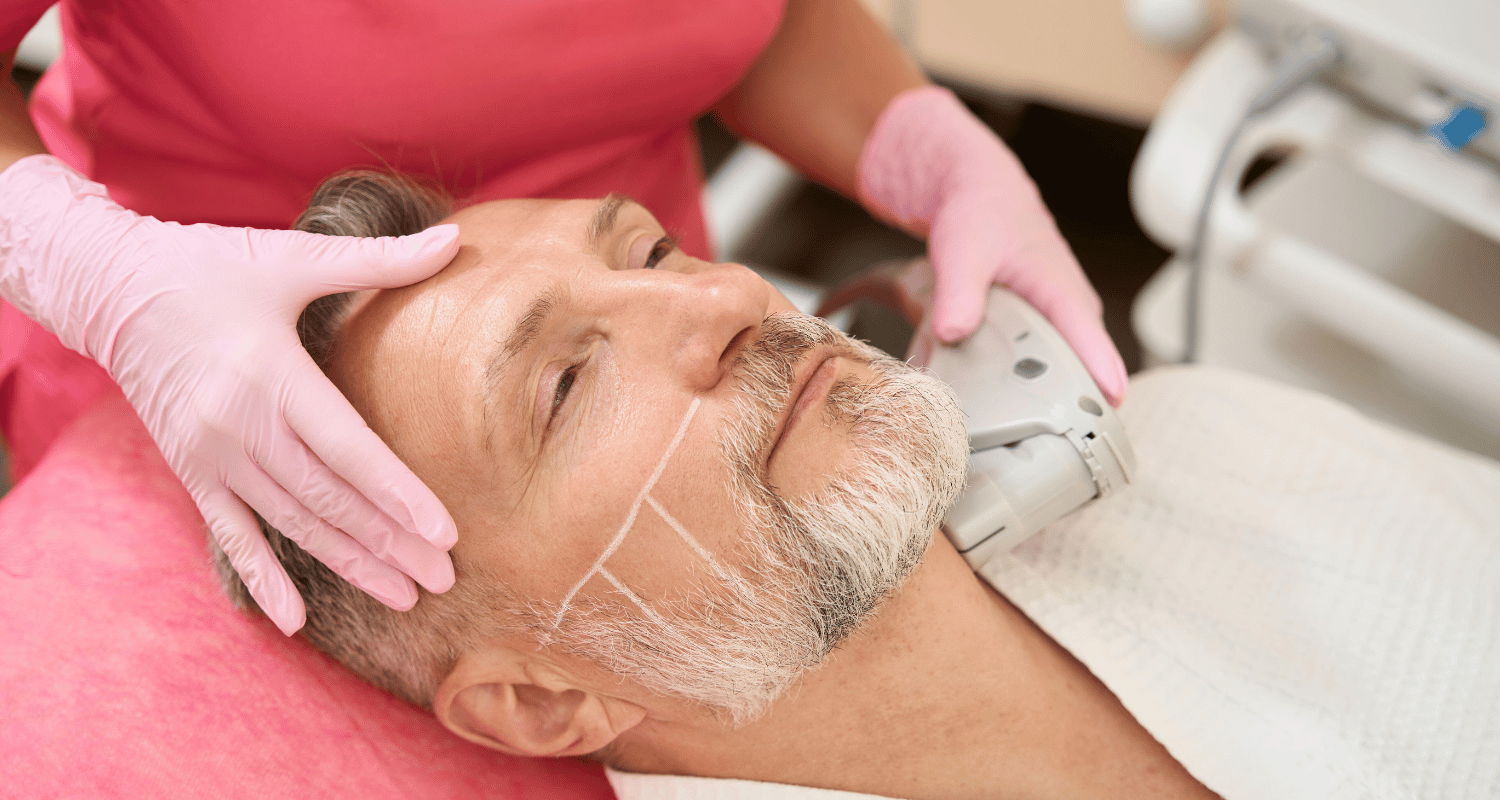
For visitors traveling to Seoul for wrinkle treatment and skin resurfacing, two of the most commonly discussed procedures are Er:YAG laser resurfacing and CO2 laser resurfacing. Both are ablative laser treatments designed to improve wrinkles by removing damaged skin layers and stimulating collagen production.
Although the two lasers share a similar goal—smoother, younger-looking skin—they differ in penetration depth, recovery time, and the intensity of results. Understanding these differences helps patients choose the option that best fits their wrinkle severity and recovery preferences.
What Is Er:YAG Laser?
Er:YAG (Erbium:YAG) laser resurfacing removes thin layers of skin using a wavelength that is strongly absorbed by water in skin tissue. This allows precise ablation of the outer skin with relatively minimal heat damage to surrounding tissue.
Because the thermal effect is limited, healing tends to occur faster compared with deeper resurfacing lasers. This makes Er:YAG laser treatments suitable for fine lines and mild to moderate wrinkles.
Why Patients Choose Er:YAG Laser
✔ Effective for fine lines and mild wrinkles
✔ More precise resurfacing with limited heat damage
✔ Faster healing compared with deeper lasers
✔ Lower risk of prolonged redness
✔ Suitable for patients seeking shorter downtime
For patients who want noticeable improvement with a relatively shorter recovery period, Er:YAG laser resurfacing is often considered a gentler resurfacing option.
What Is CO2 Laser?
CO2 laser resurfacing uses a carbon dioxide laser with a wavelength that penetrates deeper into the skin and generates a stronger thermal effect. The laser vaporizes damaged skin tissue while heating deeper layers, which stimulates significant collagen remodeling.
Because of this deeper penetration and stronger collagen stimulation, CO2 laser treatments are widely used for more advanced skin aging and deeper wrinkles.
Why Patients Choose CO2 Laser
✔ Strong collagen stimulation
✔ Effective for deep wrinkles and significant photoaging
✔ Improves severe skin texture irregularities
✔ Often produces more dramatic resurfacing results
✔ Commonly used for advanced anti-aging treatments
CO2 laser resurfacing is often selected by patients seeking more noticeable wrinkle reduction, especially when skin laxity and deeper lines are present.
Key Differences Between Er:YAG Laser and CO2 Laser
The main difference lies in penetration depth and thermal effect.
- Er:YAG laser removes superficial layers of skin with minimal residual heat damage. This results in faster healing but typically produces milder collagen remodeling effects.
- CO2 laser penetrates deeper into the skin and creates stronger thermal stimulation, leading to more significant collagen remodeling and wrinkle reduction.
In summary, Er:YAG laser focuses on precise superficial resurfacing with quicker recovery, while CO2 laser provides deeper resurfacing with stronger anti-aging effects.
Downtime Comparison
Both procedures require recovery time because they are ablative resurfacing treatments.
- With Er:YAG laser treatments, patients often experience:
- Redness and swelling for several days
- Skin peeling during early healing
- Typical recovery around 3–7 days
- With CO2 laser resurfacing, patients may experience:
- Redness and swelling for 1–2 weeks or longer
- Peeling and crusting during the first week
- Longer healing due to deeper resurfacing
In general, Er:YAG lasers allow faster healing, while CO2 lasers require more downtime due to deeper tissue effects.
Which Is Better for Wrinkles?
Both lasers can significantly improve wrinkles, but the effectiveness often depends on wrinkle depth.
Clinical comparisons show that both Er:YAG and CO2 lasers can reduce facial wrinkles effectively, although CO2 lasers often provide stronger improvement for deeper wrinkles due to their deeper penetration.
Er:YAG lasers may still produce comparable results when multiple passes or sessions are used, but they are generally preferred for milder aging concerns.
Ideal for Travelers Visiting Seoul
Laser resurfacing treatments can still be considered by international visitors, although recovery time should be planned carefully.
Most patients may experience:
- Temporary redness and peeling
- Several days of visible recovery
- No bandages required in many cases
- Gradual improvement as collagen remodeling occurs
For short trips, patients often choose lighter resurfacing settings or fractional techniques to shorten recovery time.
Who Is a Good Candidate for Er:YAG Laser?
- Patients with fine lines or early wrinkles
- Individuals seeking faster healing
- Patients with mild photoaging
- Those concerned about prolonged redness
- People preferring less aggressive resurfacing
Who Is a Good Candidate for CO2 Laser?
- Patients with deep wrinkles
- Individuals with significant photoaging
- Those with severe skin texture irregularities
- Patients seeking dramatic resurfacing results
- People comfortable with longer recovery time
Expected Results Timeline
- Early skin smoothing may appear after healing
- Collagen remodeling continues for several months
- Wrinkle improvement becomes more visible over time
- Long-term results depend on skincare and sun protection
Final Takeaway
Er:YAG laser and CO2 laser resurfacing are two powerful wrinkle treatments widely performed in Korea.
Er:YAG laser offers precise resurfacing with faster healing and shorter downtime, making it suitable for mild to moderate wrinkles. CO2 laser provides deeper resurfacing and stronger collagen stimulation, often producing more dramatic improvement for deeper wrinkles.
The best option depends on wrinkle severity, recovery tolerance, and treatment goals, and careful treatment planning helps achieve smoother, more youthful skin while balancing effectiveness and downtime. ✨