Microneedling vs Chemical Peel for Acne in Korea
March 12, 2026

Microneedling vs Chemical Peel for Acne in Korea

For patients visiting Seoul to treat acne and improve skin texture, two commonly recommended treatments are microneedling and chemical peeling. Both procedures aim to reduce acne, refine pores, and promote smoother skin, but they work through different mechanisms.

Korean dermatology clinics frequently offer both options, and the choice often depends on acne type, skin sensitivity, and the patient’s desired level of skin renewal.

What Is Microneedling?

Microneedling is a minimally invasive treatment that uses fine needles to create controlled micro-injuries in the skin. These microchannels stimulate the skin’s natural healing process and trigger collagen production.

The procedure can also enhance the absorption of topical serums applied during treatment, helping improve acne marks, pore size, and overall skin texture.

Why Patients Choose Microneedling

✔ Stimulates natural collagen production
✔ Helps improve acne scars and uneven texture
✔ Enhances absorption of skincare ingredients
✔ Can reduce enlarged pores
✔ Suitable for long-term skin regeneration

Because it focuses on collagen remodeling, microneedling is commonly chosen by patients who want to address both active acne and early acne scarring.

What Is a Chemical Peel?

A chemical peel is a skin resurfacing treatment that uses carefully formulated acids to exfoliate the outer layers of the skin. This process helps unclog pores, remove dead skin cells, and reduce acne-causing buildup.

In Korean clinics, commonly used peeling agents include salicylic acid, glycolic acid, and combination peels designed specifically for acne-prone skin.

Why Patients Choose Chemical Peel

✔ Helps unclog pores and reduce breakouts
✔ Removes excess oil and dead skin cells
✔ Improves overall skin clarity
✔ Can brighten post-acne marks
✔ Often quick and cost-effective

Chemical peels are frequently recommended for patients dealing with oily skin, clogged pores, or frequent breakouts.

Key Differences Between Microneedling and Chemical Peel

The main difference lies in how the treatments renew the skin and target acne concerns.

  • Microneedling works by creating micro-injuries within the skin to stimulate collagen production and structural repair. It focuses more on improving acne scars, skin texture, and long-term skin regeneration.
  • Chemical peels work by dissolving bonds between dead skin cells on the surface layer, allowing the skin to exfoliate and renew. This makes them particularly effective for controlling active acne and excess oil.

In general, microneedling targets deeper skin remodeling, while chemical peels focus on surface-level exfoliation and pore cleansing.

Downtime Comparison

Both procedures are considered relatively mild dermatologic treatments, but recovery experiences may differ slightly.

  • With microneedling, most patients experience:
  • Redness similar to mild sunburn for 24–48 hours
  • Temporary skin sensitivity
  • Mild dryness during the healing phase
  • Makeup usually possible after 24 hours
  • With chemical peels, patients may experience:
  • Mild redness for several hours
  • Light flaking or peeling for 2–3 days
  • Temporary dryness or tightness
  • Makeup possible the next day in most cases

The intensity of downtime depends on the strength of the peel or the depth of microneedling performed.

Which Is Better for Acne?

For active acne and oily skin, chemical peels are often preferred because they directly unclog pores and reduce excess sebum. Regular peeling sessions can help keep the skin clear and reduce new breakouts.

Microneedling, on the other hand, is often recommended when acne scars, enlarged pores, or uneven texture are the primary concern. It focuses more on skin regeneration rather than oil control.

In many Seoul dermatology clinics, doctors may combine treatments such as:

  • Chemical peel sessions to control active acne
  • Microneedling for acne scar improvement
  • LED therapy or calming care
  • Medical-grade skincare

This combination approach helps address both breakouts and skin texture simultaneously.

Ideal for Travelers Visiting Seoul

Both microneedling and chemical peels are suitable for short-term visitors seeking acne treatment in Seoul.

Most patients experience:

  • No surgical wounds
  • Minimal interruption to daily activities
  • Short treatment sessions
  • Quick recovery time

For travelers with limited time, milder treatment settings are often recommended to avoid visible irritation during the trip.

Who Is a Good Candidate for Microneedling?

  • Patients with acne scars
  • Enlarged pores or uneven skin texture
  • Individuals seeking collagen stimulation
  • Those wanting long-term skin remodeling
  • Patients with relatively controlled acne

Who Is a Good Candidate for Chemical Peel?

  • Patients with active acne breakouts
  • Oily or congested skin
  • Frequent clogged pores or blackheads
  • Individuals wanting brighter, clearer skin tone
  • Patients seeking quick maintenance treatments

Expected Results Timeline

  • Skin may feel smoother within a few days after treatment
  • Reduction in breakouts or texture may appear after several sessions
  • Noticeable improvement often occurs after 3–5 treatments
  • Continued sessions and proper skincare support long-term results

Final Takeaway

Microneedling and chemical peels are both widely used acne treatments in Korea, offering different benefits depending on the patient’s skin concerns.

Chemical peels focus on exfoliation and pore cleansing to control active breakouts, while microneedling stimulates collagen production to improve acne scars and skin texture.

Choosing the most suitable option depends on whether the primary goal is acne control, scar improvement, or overall skin renewal. When properly selected, both treatments can help patients achieve clearer and smoother skin while visiting Seoul. ✨

March 12, 2026
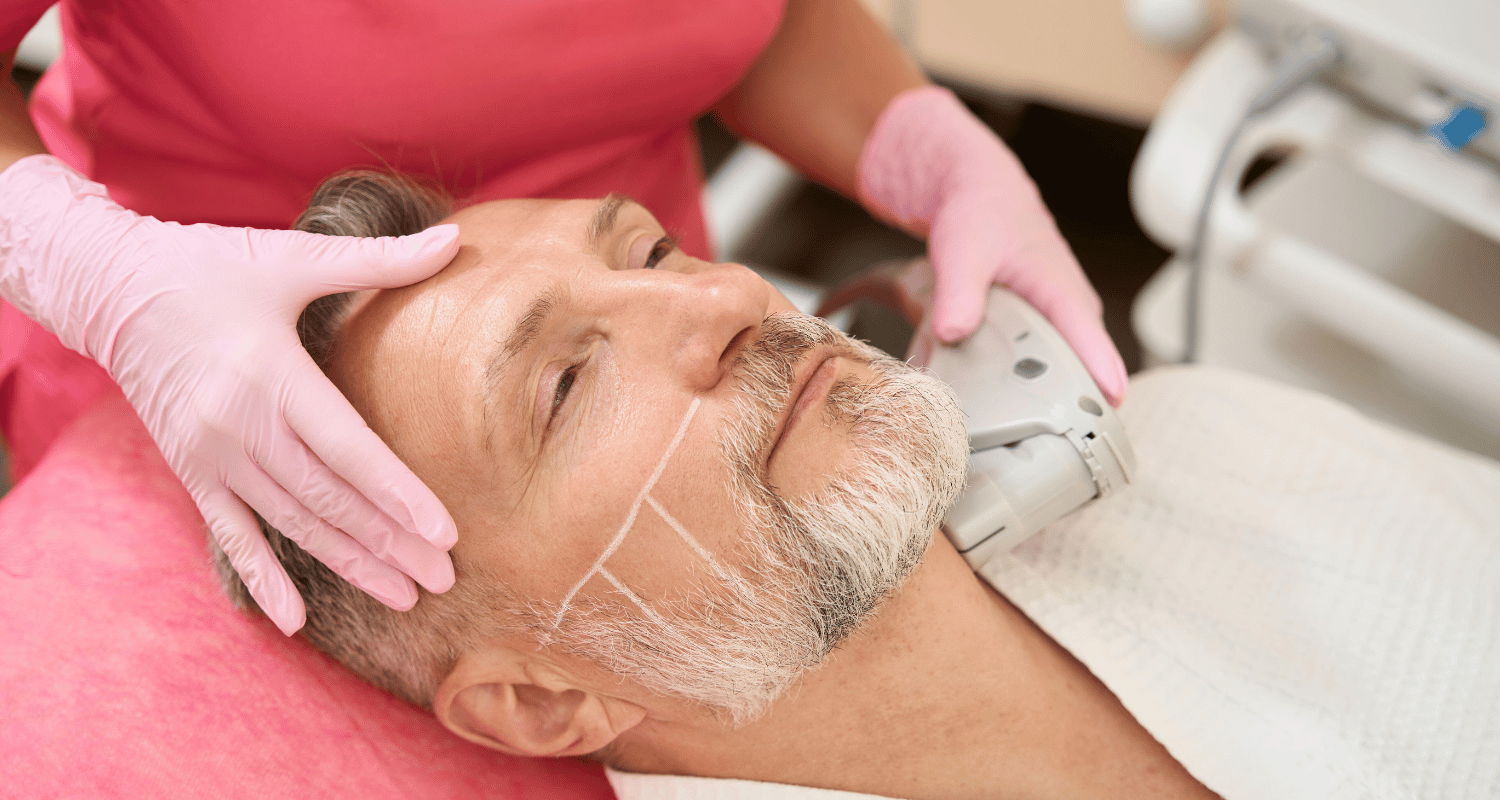
Full Face Rejuvenation Laser vs Injectable Combination in Korea For visitors coming to Seoul for comprehensive facial rejuvenation, deciding between full face rejuvenation laser treatments and injectable combination approaches is a key step in planning your aesthetic journey. Many international patients ask which option delivers more visible improvement in skin texture, firmness, and youthful appearance with consideration for downtime and results. Both full face rejuvenation lasers and injectable combination treatments are widely offered in Korea, but they differ in technique, mechanism of action, and treatment focus. What Is Full Face Rejuvenation Laser? Full face rejuvenation laser treatments use advanced energy‑based technology to address multiple signs of aging, including fine lines, wrinkles, uneven texture, enlarged pores, pigmentation, and mild laxity. Common lasers include non‑ablative fractional lasers, ablative CO₂ or erbium lasers, and other resurfacing or tightening laser modalities tailored to rejuvenate the entire facial skin surface. Why Patients Choose Full Face Rejuvenation Laser ✔ Improves texture, tone, and firmness ✔ Stimulates collagen remodeling ✔ Reduces fine lines and pigmentation irregularities ✔ Can tighten lax skin ✔ Customizable settings for individual needs Laser rejuvenation is often chosen by patients seeking comprehensive resurfacing and structural improvement using energy‑based treatments without injectable products. What Is Injectable Combination for Rejuvenation? Injectable combination approaches refer to using multiple injectable modalities together to rejuvenate the face. Common combinations include: Neuromodulators (e.g., botulinum toxin) to soften dynamic wrinkles Dermal fillers to restore volume loss Biostimulatory agents (e.g., poly‑L‑lactic acid or calcium hydroxylapatite) to stimulate collagen Skin boosters for hydration This integrated approach addresses volume, movement, hydration, and collagen support simultaneously. Why Patients Choose Injectable Combination ✔ Targets volume loss and dynamic lines ✔ Immediate contour improvement ✔ Long‑lasting effects with certain biostimulators ✔ Customizable for facial balance and proportion ✔ Minimal downtime Injectable combinations are preferred by patients looking for tailored structural changes, such as fuller cheeks, softer lines, or improved overall facial harmony. Key Differences Between Full Face Rejuvenation Laser and Injectable Combination The main difference lies in treatment goals and how results are achieved. Full face rejuvenation lasers rejuvenate primarily by stimulating collagen production and improving surface texture, tone, and firmness. The focus is skin quality renewal. Injectable combination treatments focus on volume restoration, dynamic line reduction, structural enhancement, and hydration support, often producing more immediate visual changes in facial contour and motion. In summary, lasers emphasize skin quality and collagen renewal, while injectables emphasize contour, volume, and fine line modulation. Downtime Comparison Recovery varies depending on the intensity and type of treatment. With full face rejuvenation laser: Redness or warmth for several hours to a few days Mild peeling or dryness depending on laser type Sensitive skin care needed for optimal healing With injectable combination: Mild swelling or redness at injection sites for a day or two Occasional light bruising Makeup often possible same day or next day Proper post‑procedure care supports faster recovery and enhances results. Which Is Better for Full Face Rejuvenation? For improved surface texture, skin tone, and collagen remodeling, full face rejuvenation laser offers a comprehensive non‑injectable option. For patients prioritizing facial contour refinement, volume correction, and dynamic line reduction with immediate visible effects, injectable combinations often deliver quicker aesthetic changes. Many Seoul dermatologists design integrated plans that include: Laser skin resurfacing for texture and tone Neuromodulators for dynamic lines Fillers for volume and contour Skin boosters for hydration and elasticity This customized strategy balances structural correction and surface refinement for holistic rejuvenation. Ideal for Travelers Visiting Seoul Both approaches can be adapted for short medical tourism visits. Most patients experience: Manageable redness or swelling Short recovery compatible with sightseeing No major interruption to travel plans Conservative protocols ensure treatments align with daily activities and travel schedules. Who Is a Good Candidate for Full Face Rejuvenation Laser? Fine lines and texture irregularities Pigmentation concerns Mild laxity Patients seeking structural skin renewal Individuals preferring energy‑based treatments Who Is a Good Candidate for Injectable Combination? Volume loss or facial hollowness Dynamic wrinkles and movement lines Patients wanting immediate contour improvement Those seeking hydration plus structural enhancement Individuals comfortable with injectable treatments Expected Results Timeline Full face laser: gradual improvement in texture and firmness over weeks Injectable combination: visible contour and line improvement often immediately to a few days Integrated plans: enhanced results with cumulative benefit over 4–8 weeks Long‑term results supported by skincare, sun protection, and maintenance treatments Final Takeaway Full face rejuvenation laser treatments and injectable combination therapies in Korea both offer effective options for facial rejuvenation for international visitors. Laser approaches focus on deep collagen stimulation and skin quality renewal, while injectables provide structural enhancement, volume restoration, and dynamic wrinkle reduction. Choosing the best option depends on your skin condition, aging concerns, desired immediacy of results, and tolerance for downtime. Personalized plans in Seoul clinics help you achieve a refreshed, balanced, and natural‑looking appearance with minimal disruption to travel. ✨
March 12, 2026
Anti-Aging Laser vs Skin Booster Injection in Korea For visitors coming to Seoul for anti‑aging and skin rejuvenation, understanding the difference between anti‑aging laser treatments and skin booster injections is key to choosing the most suitable option. Many international patients ask which approach provides firmer, smoother, and more youthful skin with minimal downtime. Both anti‑aging lasers and skin booster injections are widely offered in Korea, but their mechanisms, targets, and outcomes vary. What Is Skin Booster Injection? Skin booster injections involve delivering hyaluronic acid‑based or nutrient‑rich solutions into the superficial dermis to deeply hydrate the skin. These injections improve moisture levels, enhance elasticity, and give the complexion a plump, dewy appearance without aggressive resurfacing. Why Patients Choose Skin Booster Injection ✔ Deep hydration for supple skin ✔ Improves skin elasticity and smoothness ✔ Minimal downtime ✔ Subtle, natural‑looking enhancement ✔ Suitable for most skin types Skin boosters are often selected by patients who want enhanced moisture, softer fine lines, and overall skin glow without energy‑based procedures. What Is Anti‑Aging Laser Treatment? Anti‑aging laser treatments use focused light or heat energy to stimulate collagen production, resurface the skin, and improve signs of aging such as fine lines, wrinkles, and laxity. Common types include non‑ablative fractional lasers, erbium or CO₂ fractional lasers, and other rejuvenating lasers that target skin texture, tone, and firmness. Why Patients Choose Anti‑Aging Laser Treatment ✔ Stimulates collagen remodeling ✔ Improves wrinkles, texture, and tone ✔ Tightens lax skin ✔ Customizable energy settings ✔ Can address pigmentation and pores Laser treatments are often preferred by patients seeking more noticeable structural improvement in aging skin and enhanced skin quality beyond hydration alone. Key Differences Between Anti‑Aging Laser and Skin Booster Injection The main difference lies in how each approach targets aging concerns. Skin booster injections focus on deep hydration and improving skin elasticity from within, leading to a smoother, more hydrated appearance. They do not directly remodel collagen fibers. Anti‑aging lasers deliver controlled energy to stimulate collagen production, repair texture irregularities, and tighten skin at various depths depending on the laser type. In summary, skin boosters emphasize moisture and supple glow, while anti‑aging lasers prioritize structural rejuvenation and collagen induction. Downtime Comparison Both options are generally low to moderate in downtime, depending on intensity and settings. With skin booster injections: Mild redness or pinpoint swelling for a few hours Makeup usually possible the same day No significant recovery period With anti‑aging lasers: Mild redness and warmth for several hours to a couple of days Occasional light flaking or dryness Sensitive skin may need a few days of gentle care Proper post‑procedure care enhances recovery and results for both treatments. Which Is Better for Anti‑Aging? For hydration, subtle plumping, and improved elasticity without energy devices, skin booster injections can be highly effective. For more noticeable improvement in fine lines, wrinkles, texture irregularities, and skin firmness, anti‑aging lasers tend to provide stronger structural rejuvenation per session. Many Seoul dermatologists recommend combining: Skin booster injections for moisture and elasticity Anti‑aging lasers for collagen stimulation and skin tightening Tailored skincare for maintenance This combination supports both surface radiance and deeper rejuvenation. Ideal for Travelers Visiting Seoul Both treatments are suitable for short medical tourism stays. Most patients experience: No major open wounds Minimal side effects Short recovery compatible with sightseeing and daily activities Conservative scheduling allows treatment without significantly impacting travel plans. Who Is a Good Candidate for Skin Booster Injection? Dry or dehydrated skin Dull or tired complexion Fine lines needing subtle improvement Patients seeking low‑downtime, gentle enhancement Sensitive skin types Who Is a Good Candidate for Anti‑Aging Laser Treatment? Visible fine lines and wrinkles Uneven texture or laxity Pigmentation or enlarged pores associated with aging Patients seeking deeper collagen stimulation Individuals comfortable with mild energy‑based recovery Expected Results Timeline Skin boosters: hydration and softening visible within days Anti‑aging lasers: texture and firmness improvement often after 1–3 sessions Combined plans: enhanced radiance and elasticity over weeks Long‑term results supported by sun protection, lifestyle, and skincare routine Final Takeaway Anti‑aging laser treatments and skin booster injections in Korea both offer safe, effective options for skin rejuvenation for international visitors. Skin boosters deeply hydrate, increase elasticity, and create a supple glow, while anti‑aging lasers stimulate collagen, tighten skin, and improve texture and tone. Choosing the best approach depends on your skin concerns, desired level of improvement, and tolerance for energy‑based procedures. Personalized plans in Seoul clinics help you achieve a youthful, radiant complexion with minimal downtime and smooth travel experiences. ✨