Acne Scar Subcision vs Laser Resurfacing in Korea
For visitors seeking acne scar treatment in Seoul, subcision and laser resurfacing are two widely used procedures that target different aspects of scarring. Both treatments aim to improve skin texture and reduce visible depressions caused by acne scars.
However, their treatment approach is very different. Subcision is a minor surgical technique that releases scar tissue beneath the skin, while laser resurfacing improves the skin surface by stimulating collagen and renewing damaged skin layers. Because acne scars vary in depth and structure, clinics in Korea often select the treatment based on the scar type.
What Is Acne Scar Subcision?
Subcision is a minimally invasive procedure that treats depressed acne scars by breaking the fibrous bands beneath the skin that pull the scar downward.
During the procedure, a specialized needle or cannula is inserted under the skin to release these tethering fibers. Once released, the skin can lift upward and new collagen forms in the treated area during the healing process.
Why Patients Choose Subcision
✔ Effective for rolling and tethered acne scars
✔ Releases scar tissue beneath the skin
✔ Encourages new collagen formation
✔ Can significantly improve deep depressed scars
✔ Often combined with other scar treatments
Because subcision targets the structural cause of certain scars, it is often considered one of the most effective treatments for rolling acne scars.
What Is Laser Resurfacing?
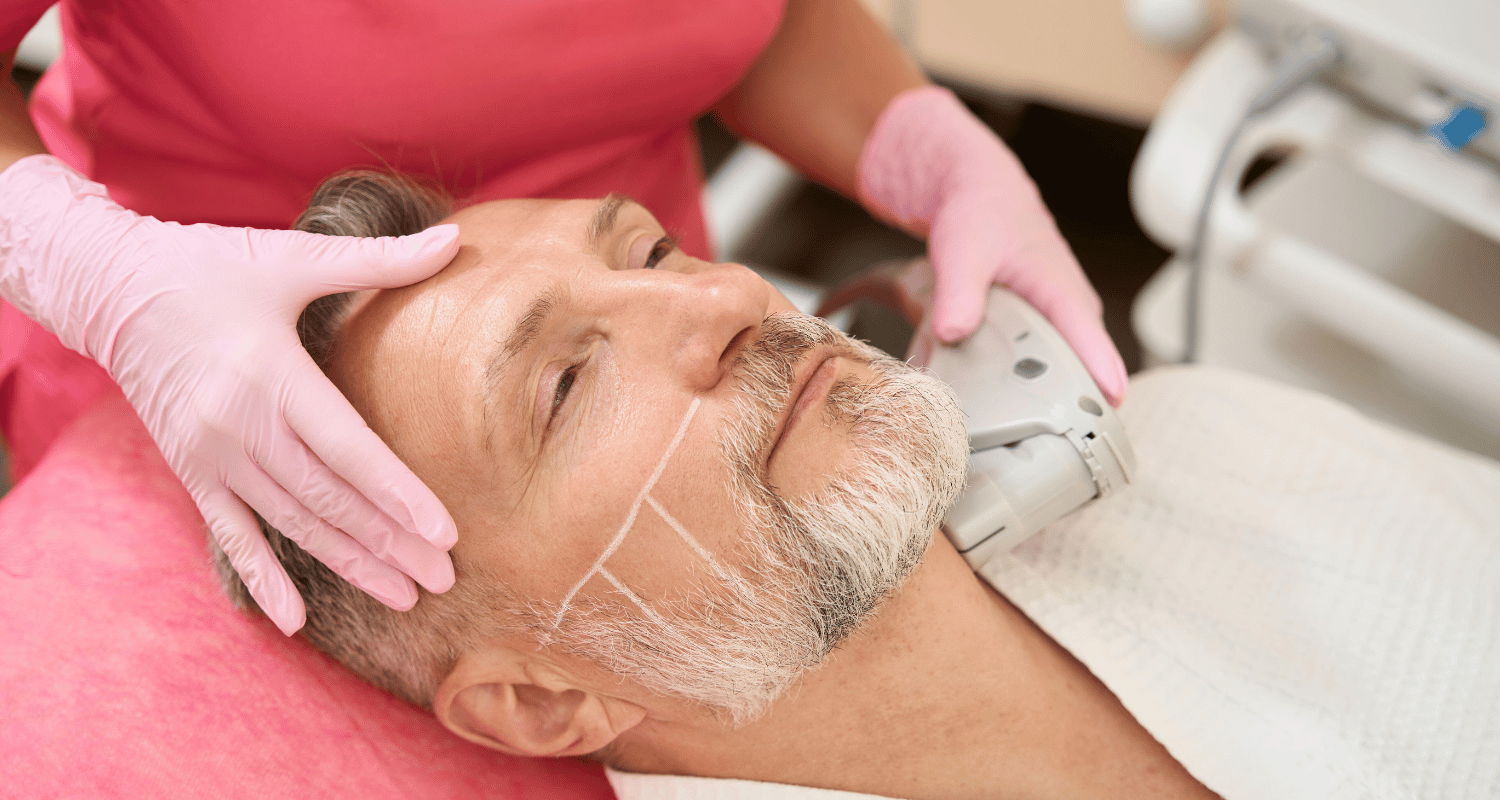
Laser resurfacing is a skin treatment that uses laser energy to remove or heat damaged skin layers, stimulating collagen production and skin renewal.
Different laser technologies may be used, including fractional lasers or ablative lasers such as CO₂ or Er:YAG. These treatments create controlled micro-injuries in the skin, triggering the body’s healing response and producing smoother skin over time.
Why Patients Choose Laser Resurfacing
✔ Improves skin texture and uneven surface
✔ Reduces shallow acne scars and pores
✔ Stimulates collagen remodeling
✔ Can improve pigmentation from past acne
✔ Suitable for overall skin resurfacing
Because lasers treat the surface and dermal layers of the skin, they are often selected for improving texture, discoloration, and shallow scars.
Key Differences Between Subcision and Laser Resurfacing
The main difference between these treatments is the layer of skin they target.
- Subcision works beneath the skin by releasing fibrous scar attachments that pull the skin downward. This makes it especially effective for rolling or tethered scars.
- Laser resurfacing works on the surface and dermal layers of the skin by creating controlled thermal injury that stimulates collagen and smooths uneven texture.
In simple terms, subcision treats the structural cause of depressed scars, while laser resurfacing improves the skin’s surface texture and overall appearance.
Downtime Comparison
The recovery process can vary depending on the treatment performed.
- With subcision, patients may experience:
- Bruising or swelling for several days
- Mild soreness in treated areas
- Recovery typically lasting around 2–10 days
- With laser resurfacing, patients may experience:
- Redness and peeling
- Skin sensitivity during healing
- Downtime ranging from 1–7 days depending on laser intensity.
Which Is Better for Acne Scars?
The most suitable treatment depends on the type of acne scars present.
Subcision is often recommended for rolling scars or scars that appear tethered to deeper tissue.
Laser resurfacing is usually more effective for shallow scars, uneven texture, enlarged pores, and pigmentation caused by acne.
Ideal for Travelers Visiting Seoul
Seoul is known for offering customized acne scar treatment programs that combine multiple techniques when necessary.
Many international patients choose treatments that:
- Require short treatment sessions
- Allow gradual improvement over time
- Can be combined with other procedures if needed
Some clinics perform staged treatments so patients can continue treatment across multiple visits.
Who Is a Good Candidate for Subcision?
- Rolling or tethered acne scars
- Depressed scars that pull the skin downward
- Moderate to deep acne scarring
- Patients needing structural scar release
- Individuals open to minor surgical procedures
Who Is a Good Candidate for Laser Resurfacing?
- Mild to moderate acne scars
- Uneven skin texture
- Enlarged pores and post-acne marks
- Patients seeking smoother skin surface
- Individuals wanting overall skin rejuvenation
Expected Results Timeline
- Subcision results improve gradually over 3–6 months as collagen develops beneath the skin.
- Laser resurfacing also produces gradual improvement as collagen remodeling occurs.
- Multiple sessions may be recommended depending on scar severity.
- Many clinics combine both treatments to maximize acne scar improvement.
Final Takeaway
Acne scar subcision and laser resurfacing in Korea address acne scars in different ways.
Subcision works beneath the skin to release scar tissue and lift depressed scars, making it ideal for rolling or tethered scars. Laser resurfacing focuses on improving the skin’s surface by stimulating collagen and smoothing texture.
Because acne scars often involve multiple layers of skin damage, many dermatologists in Seoul combine both treatments to achieve more comprehensive and long-lasting results. ✨