Lower Face Lift with Threads vs Ultherapy in Korea
For visitors traveling to Seoul for non-surgical lifting treatments, lower face thread lifting and Ultherapy are two commonly recommended procedures. Both are designed to improve jawline definition, reduce sagging around the cheeks and jowls, and create a more youthful lower face contour.
However, the way these treatments achieve lifting is very different. Thread lifts physically reposition sagging tissues, while Ultherapy tightens deeper structures by stimulating collagen production with focused ultrasound energy.
What Is a Lower Face Thread Lift?
A lower face thread lift involves inserting absorbable medical threads beneath the skin to lift and support sagging tissues. These threads often contain small barbs or cones that grip the tissue and reposition it upward.
As the threads gradually dissolve over several months, they also stimulate collagen formation along the thread pathways, helping improve skin firmness over time.
Why Patients Choose Thread Lifting
✔ Immediate lifting and contour improvement
✔ Defines the jawline and reduces jowls
✔ Stimulates collagen as threads dissolve
✔ Minimally invasive compared to surgery
✔ Can create stronger contour correction
Because the threads physically reposition tissue, this treatment is often selected by patients who want visible lifting immediately after the procedure.
What Is Ultherapy?
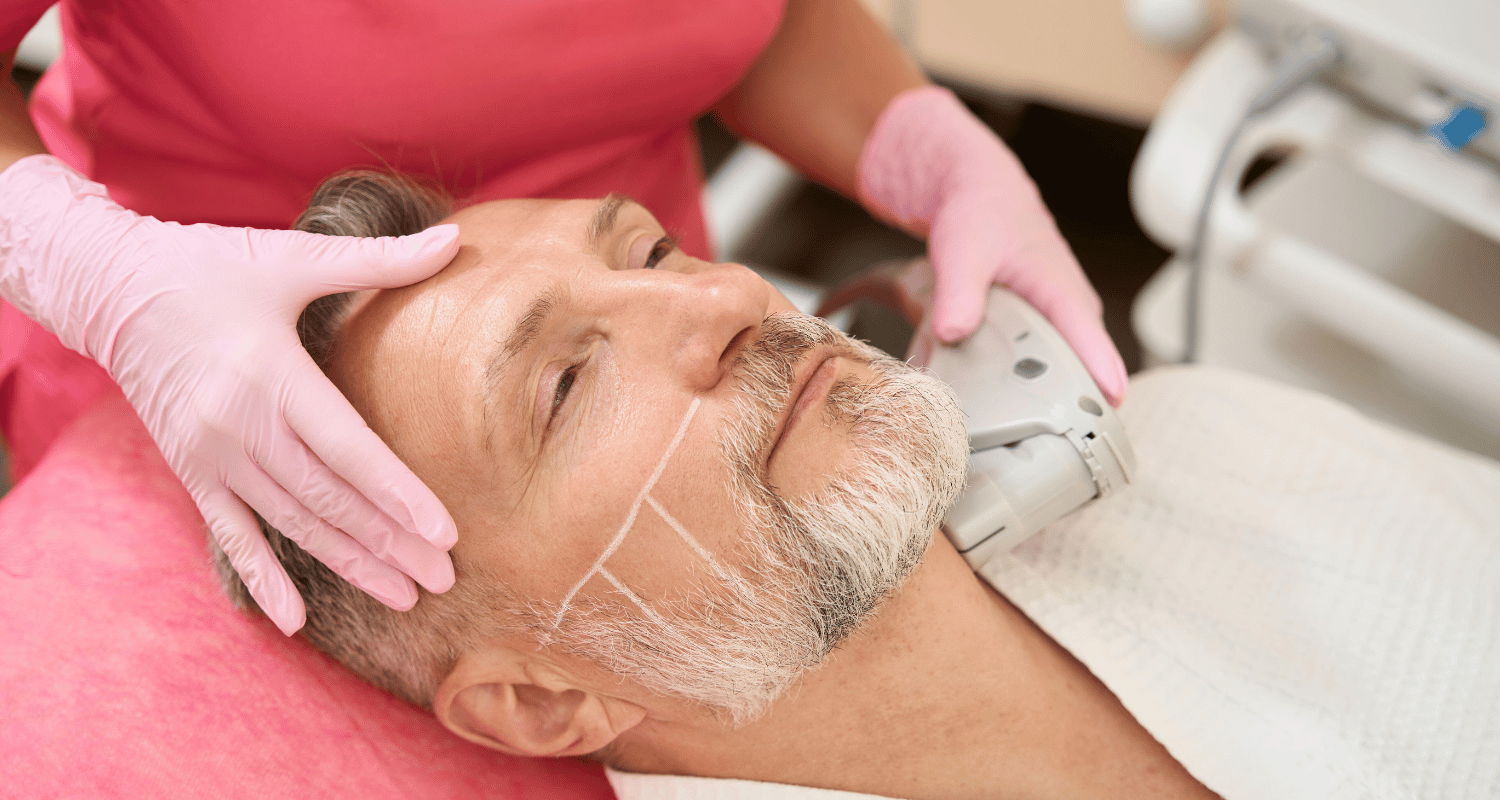
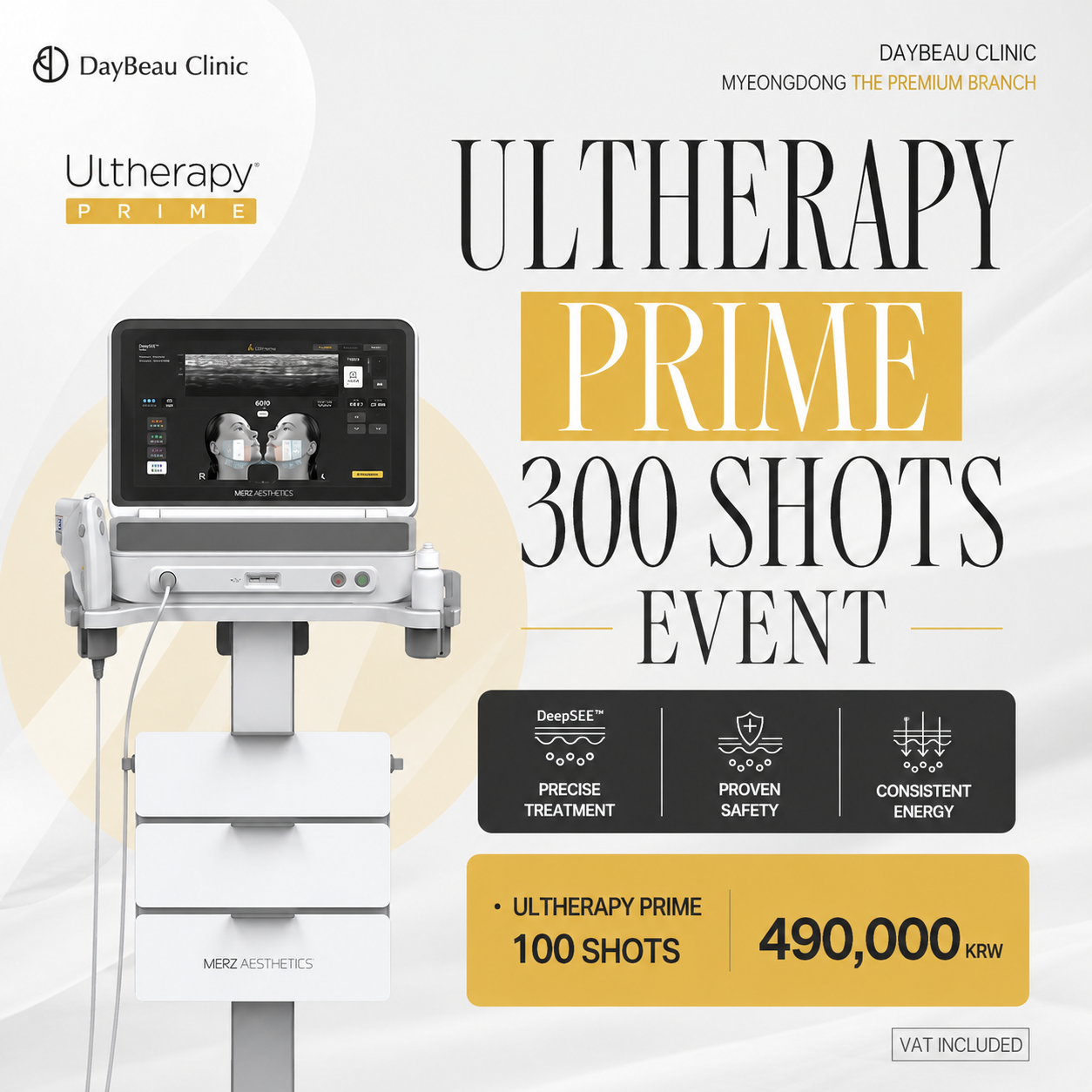
Ultherapy is a non-invasive skin lifting treatment that uses micro-focused ultrasound energy to heat deep layers of tissue and stimulate collagen production.
The energy can reach the SMAS layer—the same structural layer targeted during surgical facelifts—triggering gradual tightening and lifting of the skin without incisions or inserted materials.
Why Patients Choose Ultherapy
✔ Completely non-invasive treatment
✔ Stimulates deep collagen remodeling
✔ No inserted materials under the skin
✔ Minimal downtime
✔ Gradual and natural tightening effect
Ultherapy is commonly chosen by patients who prefer a needle-free lifting treatment with gradual improvement over time.
Key Differences Between Thread Lift and Ultherapy
The primary difference between these treatments lies in how they create lifting effects.
- Thread lifting provides a mechanical lift by physically pulling sagging tissues upward using absorbable threads. The lifting effect is visible immediately, and collagen stimulation continues as the threads dissolve.
- Ultherapy creates a biological lifting effect by delivering focused ultrasound energy deep into the skin, stimulating collagen production and tightening connective tissue over time. Results develop gradually rather than immediately.
In general, thread lifts provide stronger immediate contour changes, while Ultherapy focuses on gradual tightening and collagen remodeling.
Downtime Comparison
Both treatments are considered minimally invasive, but their recovery experiences can differ.
- With a thread lift, patients may experience:
- Mild swelling or bruising
- Tightness or pulling sensation
- Small entry points for the threads
- Light activity restrictions for 1–2 days
- With Ultherapy, patients may experience:
- Mild redness for several hours
- Temporary swelling or tingling
- Slight tenderness beneath the skin
- No visible wounds or insertion points
Because Ultherapy does not involve inserted threads, it typically has less visible downtime.
Which Is Better for Lower Face Sagging?
The better option depends largely on the degree of sagging and the desired type of improvement.
Thread lifts can provide stronger and more immediate contour correction, making them suitable for patients with visible sagging of the cheeks or jowls.
Ultherapy tends to work better for early skin laxity, helping tighten and firm the lower face gradually through collagen stimulation rather than repositioning tissue.
Ideal for Travelers Visiting Seoul
Both lower face thread lifts and Ultherapy are commonly performed in Seoul and are popular among international patients seeking non-surgical lifting procedures.
Most patients experience:
- Short procedure times
- Minimal disruption to travel plans
- No surgical incisions
- Treatments compatible with short medical tourism visits
However, travelers with very limited time may prefer treatments with minimal swelling or bruising.
Who Is a Good Candidate for Lower Face Thread Lift?
- Mild to moderate facial sagging
- Visible jowls or drooping cheeks
- Patients wanting immediate lifting results
- Individuals seeking stronger contour correction
- Those comfortable with minimally invasive procedures
Who Is a Good Candidate for Ultherapy?
- Early signs of skin laxity
- Mild jawline softening
- Patients preferring non-invasive treatments
- Individuals wanting gradual collagen stimulation
- Patients with minimal downtime preferences
Expected Results Timeline
- Thread lift lifting effect is visible immediately
- Collagen stimulation continues for several weeks
- Ultherapy tightening gradually develops over 2–3 months
- Results from both treatments may last around 9–18 months depending on skin condition and maintenance treatments
Final Takeaway
Lower face thread lifting and Ultherapy in Korea are both popular non-surgical options for improving jawline definition and reducing lower face sagging.
Thread lifts provide immediate mechanical lifting by repositioning tissues, while Ultherapy gradually tightens and lifts the skin by stimulating deep collagen production.
The most suitable treatment depends on the severity of sagging, whether immediate contour change is desired, and the patient’s preference for minimally invasive or completely non-invasive procedures. In Seoul, both approaches are widely used to achieve natural-looking lower face rejuvenation without surgery. ✨