Cheek Lifting with Filler vs HIFU in Korea
For visitors coming to Seoul for facial rejuvenation, cheek lifting with filler and HIFU are two popular non-surgical options used to improve mid-face contours. Both treatments aim to create a more youthful appearance by enhancing cheek structure and reducing the appearance of sagging.
However, these procedures achieve lifting in different ways. Cheek fillers restore lost volume to support facial structures, while HIFU tightens deeper tissue layers by stimulating collagen production. Understanding these differences can help patients choose the treatment that best matches their facial aging pattern.
What Is Cheek Lifting with Filler?
Cheek lifting with filler involves injecting hyaluronic acid–based dermal fillers into specific areas of the mid-face to restore lost volume and structural support.
By adding volume beneath the skin, fillers can elevate surrounding tissues, soften nasolabial folds, and create a more defined cheekbone contour. The lifting effect occurs because the injected gel supports and repositions sagging skin.
Why Patients Choose Cheek Filler Lifting
✔ Immediate improvement in cheek volume
✔ Enhances cheekbone definition
✔ Softens nasolabial folds
✔ Provides structural support to the mid-face
✔ Quick procedure with minimal downtime
Because fillers restore volume directly, they are often selected by patients whose aging changes are related to mid-face volume loss rather than skin laxity.
What Is HIFU for Cheek Lifting?
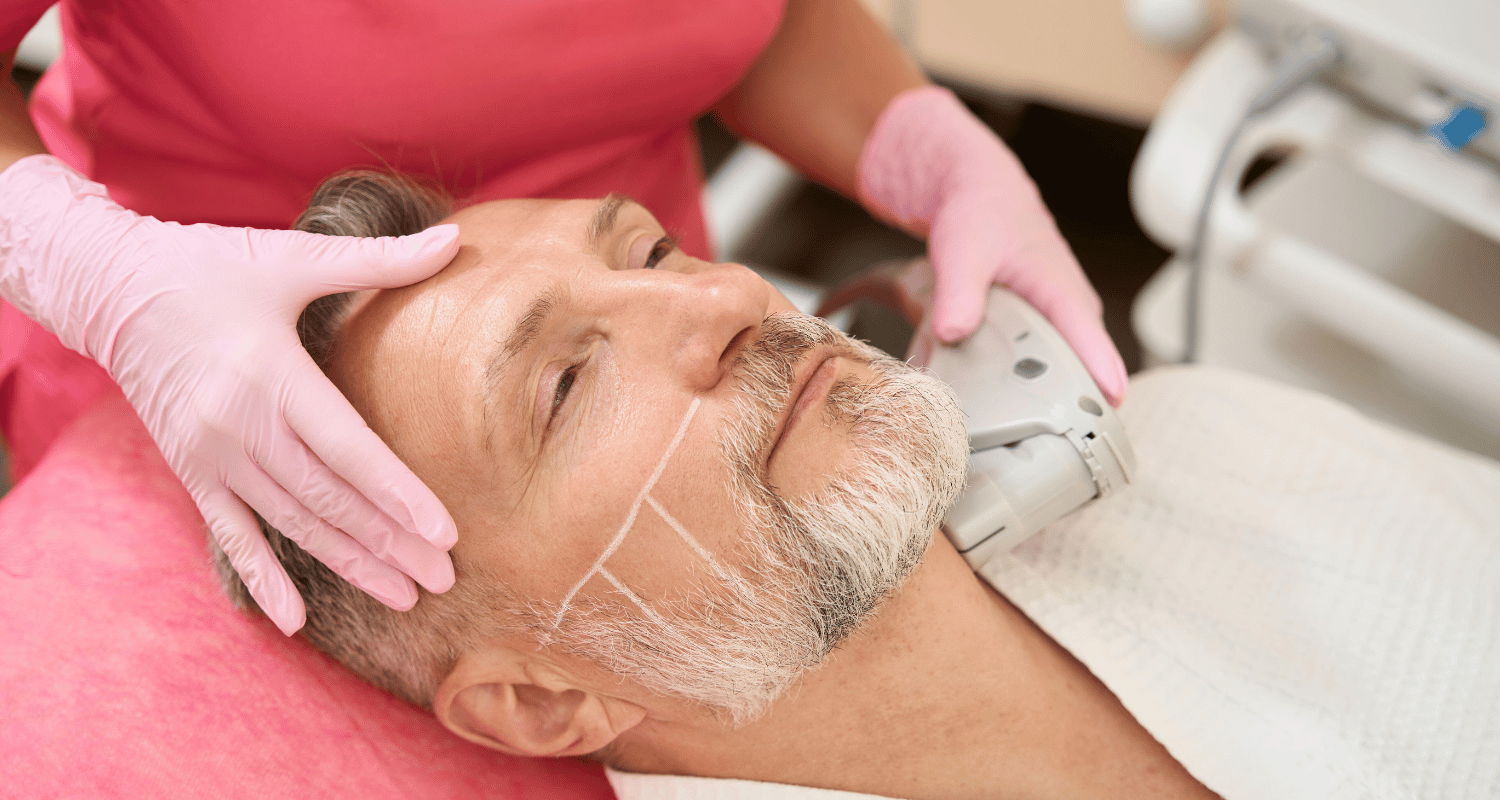
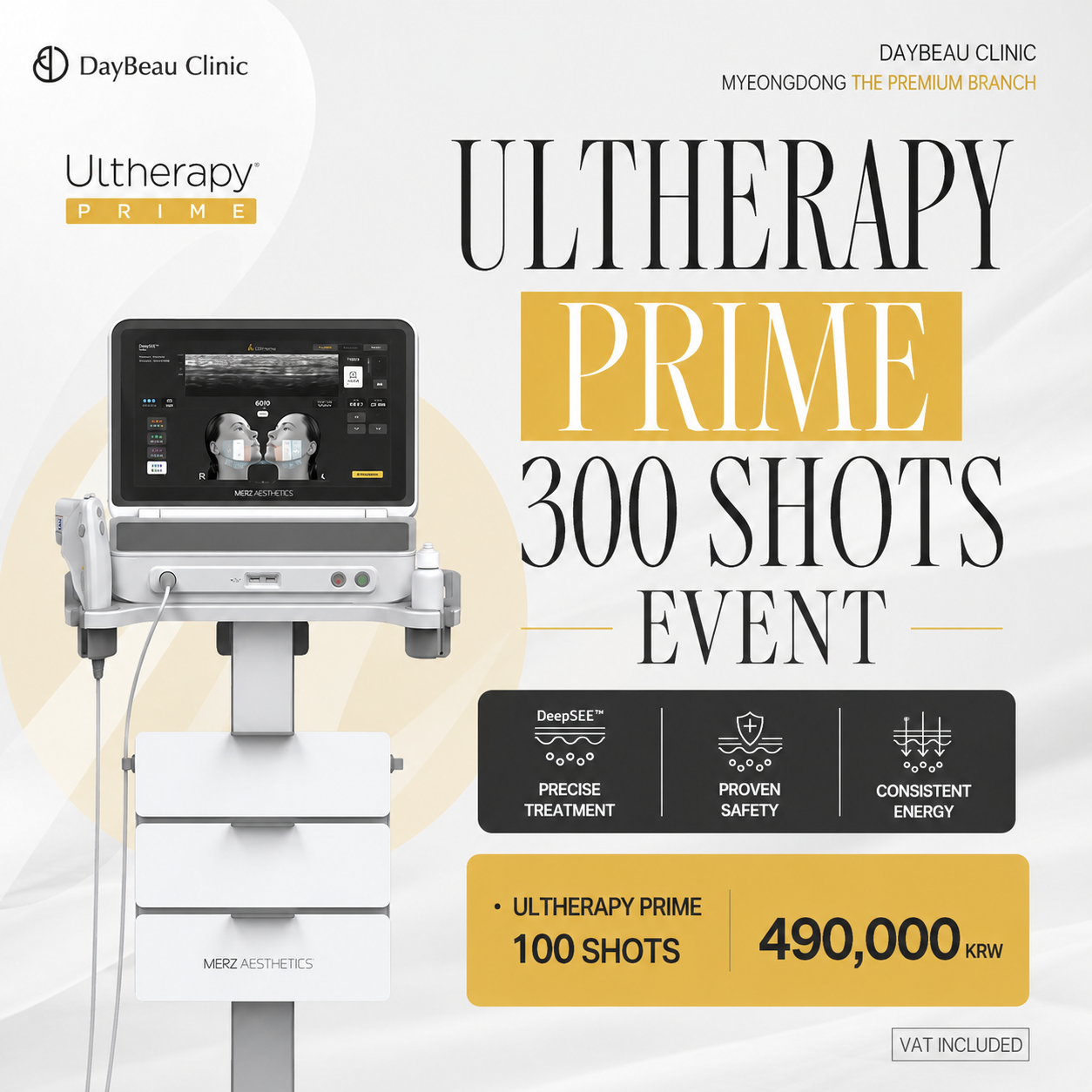
HIFU (High-Intensity Focused Ultrasound) is a non-invasive lifting treatment that uses focused ultrasound energy to heat deeper skin layers and stimulate collagen remodeling.
The ultrasound energy penetrates below the skin surface and reaches structural layers such as the SMAS layer. This process gradually tightens and lifts the mid-face tissues over time, improving cheek position and overall facial contour.
Why Patients Choose HIFU for Cheek Lifting
✔ Non-invasive lifting treatment
✔ Stimulates natural collagen production
✔ Improves skin firmness and elasticity
✔ Tightens sagging mid-face tissue
✔ No injected materials or implants
HIFU is commonly selected by patients who want gradual tightening and lifting without using injectable fillers.
Key Differences Between Cheek Filler and HIFU
The primary difference between these treatments lies in how they create lifting effects.
- Cheek fillers work by adding volume beneath the skin. The injected hyaluronic acid gel provides structural support that elevates surrounding tissues and smooths hollow or sunken areas.
- HIFU works by delivering focused ultrasound energy to deeper layers of the skin, stimulating collagen production and tightening connective tissue. The lifting effect develops gradually rather than immediately.
In simple terms, fillers create lift by replacing lost volume, while HIFU creates lift by tightening and remodeling the skin.
Downtime Comparison
Both treatments are considered minimally invasive and typically involve little recovery time.
- With cheek fillers, most patients experience:
- Mild swelling for 1–2 days
- Small injection marks
- Possible light bruising
- Immediate visible volume improvement
- With HIFU, patients may experience:
- Mild redness for several hours
- Temporary swelling or tingling
- Slight tenderness beneath the skin
- No visible injection marks
Because HIFU does not involve injections, it generally has fewer visible signs immediately after treatment.
Which Is Better for Mid-Face Lifting?
The better option depends on the main cause of mid-face aging.
If the cheeks appear hollow or flat due to volume loss, filler treatments often provide more noticeable improvement because they directly restore facial structure.
If the cheeks appear heavy or drooping due to skin laxity, HIFU may be more effective because it tightens underlying tissue and lifts sagging structures.
In many Korean aesthetic clinics, both treatments are sometimes combined—fillers to restore volume and HIFU to tighten surrounding tissue—to create balanced mid-face rejuvenation.
Ideal for Travelers Visiting Seoul
Both cheek fillers and HIFU are commonly performed in Seoul and are popular among international patients seeking non-surgical facial contouring.
Most patients experience:
- Short treatment times
- Minimal visible recovery signs
- No surgical incisions
- Procedures that fit easily into short travel schedules
These treatments are frequently chosen by visitors who want subtle facial rejuvenation without interrupting their trip.
Who Is a Good Candidate for Cheek Filler Lifting?
- Hollow or flat cheeks
- Loss of mid-face volume
- Deep nasolabial folds caused by volume loss
- Patients seeking immediate improvement
- Individuals wanting stronger cheekbone definition
Who Is a Good Candidate for HIFU Cheek Lifting?
- Mild to moderate cheek sagging
- Early mid-face laxity
- Patients preferring non-invasive treatments
- Individuals seeking gradual collagen stimulation
- Those wanting tightening rather than added volume
Expected Results Timeline
- Cheek filler results are visible immediately after treatment
- Minor swelling typically resolves within a few days
- HIFU lifting develops gradually over 2–3 months as collagen forms
- HIFU results may last around 12–18 months depending on skin condition and maintenance treatments
Final Takeaway
Cheek lifting with filler and HIFU in Korea are both popular non-surgical treatments used to improve mid-face contours and create a more youthful appearance.
Cheek fillers restore lost volume and provide immediate structural lift, while HIFU tightens deeper skin layers and gradually lifts sagging tissue through collagen stimulation.
The best option depends on whether the main concern is volume loss or skin laxity. In Seoul, many patients benefit from customized treatment plans that combine both approaches to achieve natural-looking facial balance and rejuvenation. ✨