LED Therapy vs Laser Rejuvenation in Korea
For visitors exploring skin rejuvenation treatments in Seoul, two commonly discussed options are LED therapy and laser rejuvenation. Both are widely used in Korean dermatology and aesthetic clinics, but they work through very different technologies.
International patients often ask which option is better for improving dull skin, mild redness, or early signs of aging. While both treatments aim to enhance skin quality, their intensity, mechanisms, and expected results vary significantly.
What Is LED Therapy?
LED therapy uses low-level light-emitting diodes to deliver specific wavelengths of light to the skin. These wavelengths penetrate the skin at different depths to stimulate cellular activity and support natural skin repair processes.
Unlike lasers, LED therapy does not generate heat or damage skin tissue. Instead, it works through photobiomodulation, encouraging skin cells to function more efficiently over time.
Why Patients Choose LED Therapy
✔ Extremely gentle treatment
✔ No heat or skin injury involved
✔ Suitable for sensitive or reactive skin
✔ Helps calm redness and inflammation
✔ Often used as a post-laser recovery treatment
Because of its non-invasive nature, LED therapy is frequently included as part of skincare maintenance or combined with other dermatological procedures.
What Is Laser Rejuvenation?
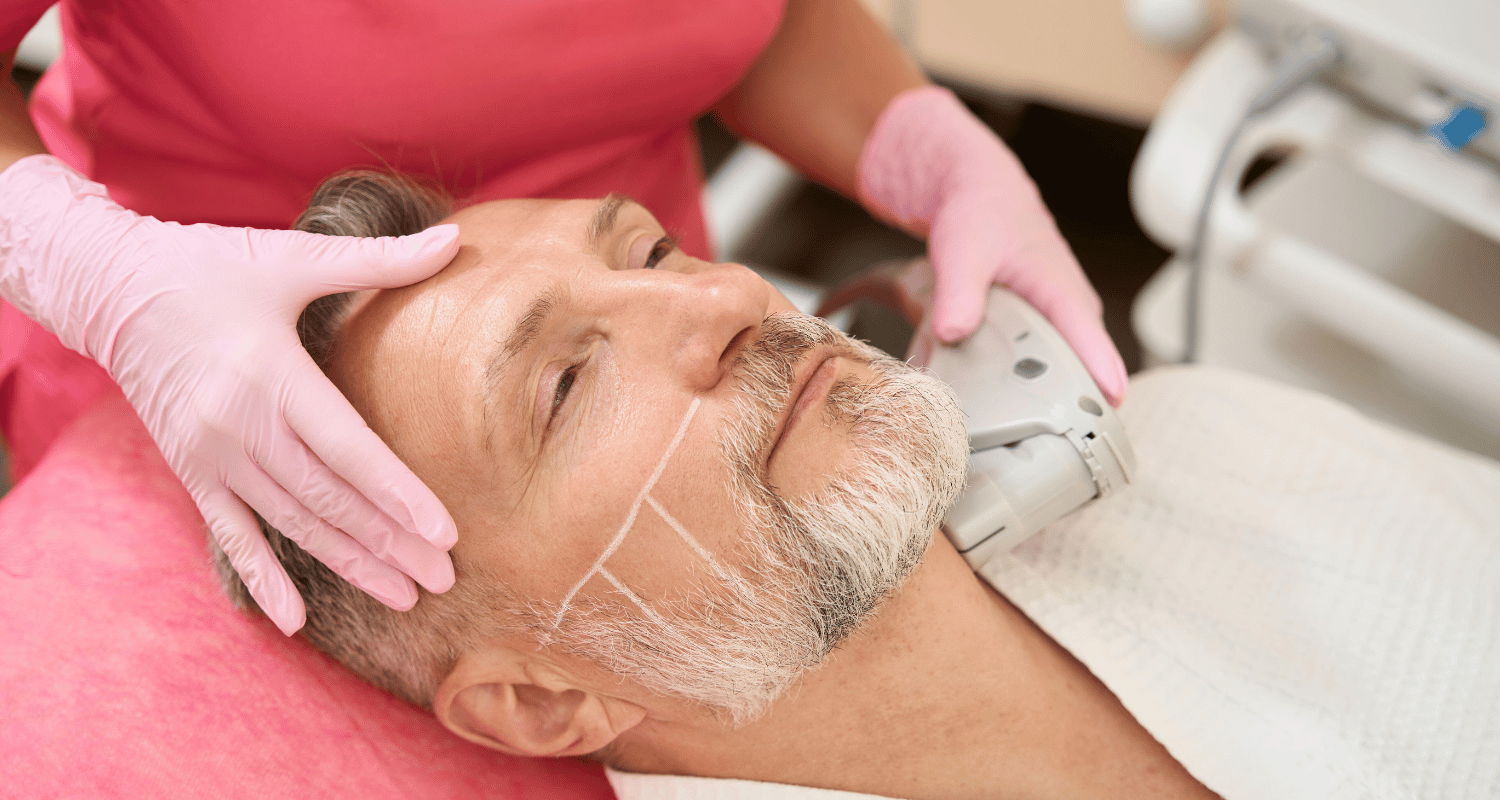
Laser rejuvenation refers to a category of treatments that use controlled laser energy to improve skin texture, tone, and collagen production. These lasers deliver focused light energy into the skin, stimulating renewal processes and encouraging new collagen formation.
Depending on the device and settings, laser rejuvenation can target pigmentation, fine lines, enlarged pores, or uneven skin texture. Many Korean clinics use non-ablative lasers for gradual skin improvement with minimal downtime.
Why Patients Choose Laser Rejuvenation
✔ Stronger collagen stimulation
✔ Improvement in skin texture and pores
✔ More noticeable anti-aging effects
✔ Effective for pigmentation and uneven tone
✔ Results accumulate over multiple sessions
Laser rejuvenation is often selected by patients looking for more visible skin improvement compared with gentle light-based treatments.
Key Differences Between LED Therapy and Laser Rejuvenation
The main difference lies in the intensity of energy delivered to the skin and how deeply the treatment affects skin structures.
- LED therapy uses low-energy light that stimulates cellular activity without creating thermal damage. It focuses on calming the skin, improving circulation, and supporting healing. The effects tend to be subtle and gradual.
- Laser rejuvenation uses concentrated laser energy that penetrates deeper layers of the skin to stimulate collagen production and improve structural skin concerns. This allows for more visible improvements in texture, pores, and fine lines.
In simple terms, LED therapy focuses on skin recovery and maintenance, while laser rejuvenation is designed for more active skin renewal.
Downtime Comparison
Both treatments are considered relatively low-downtime, but their recovery experiences differ.
- With LED therapy, most patients experience:
- No redness or irritation
- No heat sensation during treatment
- Immediate return to normal activities
- With laser rejuvenation, patients may experience:
- Mild redness for several hours
- Slight warmth or tightness
- Temporary dryness in some cases
- Makeup typically possible the same day or next day
Overall, LED therapy has essentially no downtime, while laser rejuvenation may involve mild temporary skin reactions.
Which Is Better for Skin Rejuvenation?
The answer depends on the type of improvement a patient is looking for.
LED therapy is commonly used for calming, recovery, and maintaining skin health. It is especially helpful after procedures or for sensitive skin that cannot tolerate stronger treatments.
Laser rejuvenation is typically preferred for patients seeking more noticeable improvement in skin texture, fine lines, and overall tone.
In many Seoul clinics, practitioners combine treatments such as:
- Laser rejuvenation
- LED therapy for recovery
- Hydrating skin boosters
- Medical-grade skincare
This combination approach helps enhance results while supporting the skin’s healing process.
Ideal for Travelers Visiting Seoul
Both LED therapy and laser rejuvenation can be suitable for international visitors receiving skincare treatments in Korea.
Most patients experience:
- No visible wounds
- No bandages
- Minimal interruption to daily activities
- Short treatment sessions
For travelers with limited time in Seoul, gentle settings are often recommended to minimize temporary redness.
Who Is a Good Candidate for LED Therapy?
- Sensitive or easily irritated skin
- Patients seeking gentle skin maintenance
- Individuals recovering from other procedures
- Those wanting calming and anti-inflammatory care
- Patients looking for zero-downtime treatments
Who Is a Good Candidate for Laser Rejuvenation?
- Early signs of skin aging
- Uneven skin texture or enlarged pores
- Mild pigmentation concerns
- Dull or tired-looking skin
- Patients seeking stronger skin renewal effects
Expected Results Timeline
- Subtle skin improvement may be noticed after 1 session
- More visible rejuvenation after 3–5 sessions
- Collagen-related improvements develop gradually
- Maintenance treatments help sustain long-term results
Final Takeaway
LED therapy and laser rejuvenation in Korea both offer effective ways to improve overall skin quality, but they serve different purposes.
LED therapy focuses on gentle skin support, calming inflammation, and promoting recovery with no downtime. Laser rejuvenation delivers stronger energy to stimulate collagen and address texture, pores, and early aging signs.
The most appropriate choice depends on the patient’s skin condition, treatment goals, and available time during their stay in Seoul. In many Korean clinics, combining both approaches helps achieve balanced skin rejuvenation while maintaining skin comfort and stability. ✨