Baby Face Laser vs Pico Toning in Korea
For visitors seeking smoother, brighter skin while visiting Seoul, two commonly recommended treatments are Baby Face Laser and Pico toning. Both procedures aim to improve overall skin quality and tone, but they use different laser technologies and target slightly different concerns.
Many international patients researching Korean skincare treatments ask which option is better for achieving a “glass skin” appearance. While both treatments can enhance skin clarity and brightness, their mechanisms, intensity levels, and ideal candidates differ.
What Is Baby Face Laser?
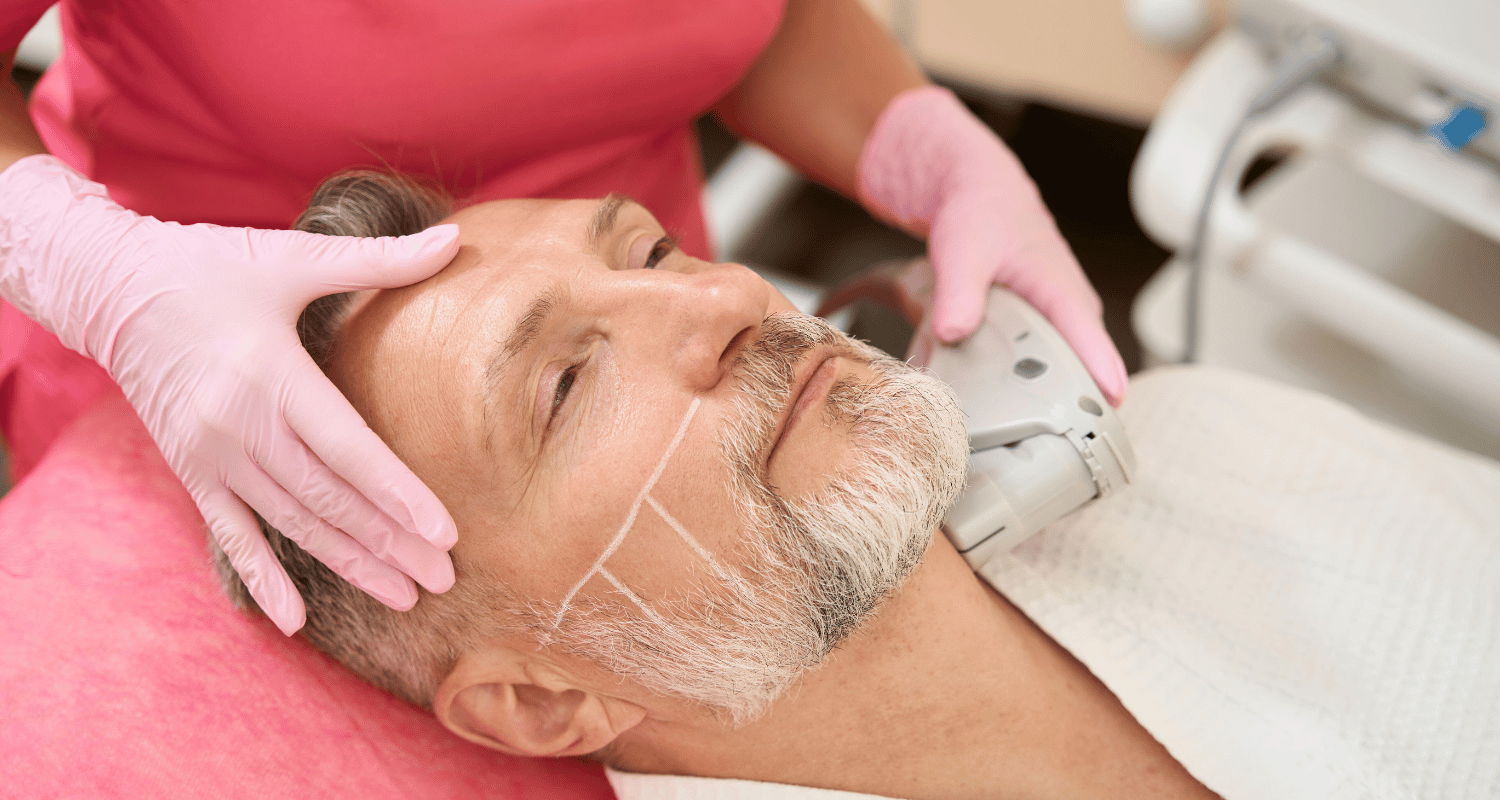
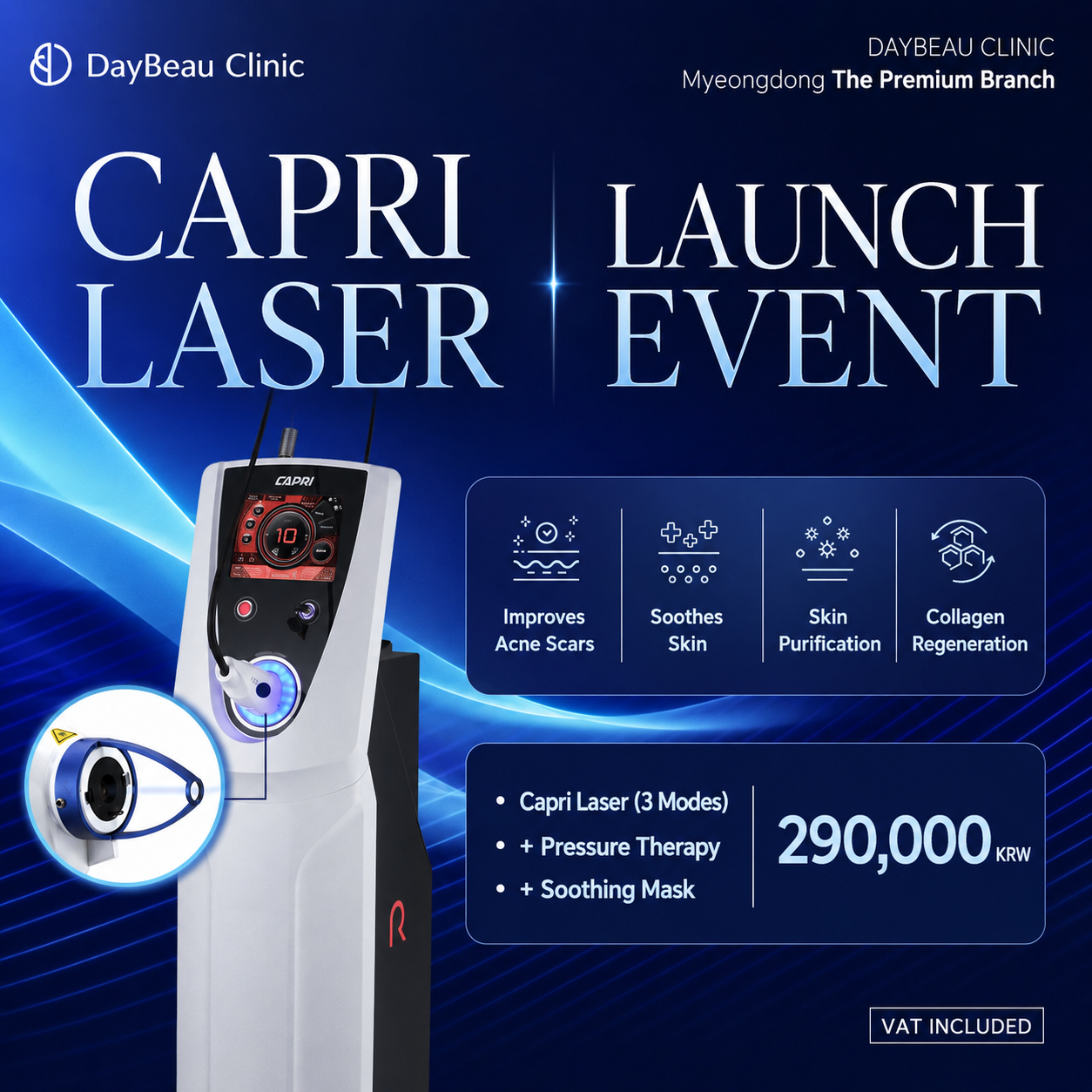
Baby Face Laser is a gentle fractional laser rejuvenation treatment designed to improve skin texture, pores, and overall radiance. The treatment typically uses low-energy fractional laser technology to stimulate collagen production and encourage skin renewal.
Some Korean clinics combine fractional laser passes with toning lasers or nourishing skin solutions to create a smoother, brighter “baby skin” effect.
The goal is not aggressive resurfacing but rather gradual improvement in skin softness, pore appearance, and overall glow.
Why Patients Choose Baby Face Laser
✔ Improves skin texture and pore appearance
✔ Stimulates collagen for smoother skin
✔ Creates a soft, “baby-skin” glow
✔ Helps refine mild acne marks and uneven texture
✔ Minimal downtime compared with stronger resurfacing lasers
Because of its gentle settings, Baby Face Laser is often selected by patients looking for overall skin refinement rather than targeted pigment removal.
What Is Pico Toning?
Pico toning uses picosecond laser technology to deliver extremely short bursts of laser energy that break pigment particles into very small fragments. This allows the body to gradually clear unwanted pigmentation.
Unlike stronger Pico spot treatments, Pico toning uses lower energy settings across the entire face to improve overall skin tone and brightness. The treatment is widely used in Korea for concerns such as melasma, freckles, and uneven pigmentation.
Pico toning focuses primarily on pigment correction rather than texture remodeling.
Why Patients Choose Pico Toning
✔ Effective for pigmentation and uneven skin tone
✔ Helps reduce freckles and sun spots
✔ Gradual brightening of dull skin
✔ Low downtime and quick sessions
✔ Widely used treatment in Korean dermatology clinics
Patients seeking clearer and more even skin tone often prefer Pico toning because it directly targets melanin within the skin.
Key Differences Between Baby Face Laser and Pico Toning
The main difference lies in what each treatment primarily targets within the skin.
- Baby Face Laser focuses on skin texture improvement and collagen stimulation. By using gentle fractional laser energy, it creates controlled micro-injuries that encourage the skin to repair itself and produce new collagen. This helps refine pores, smooth the surface, and improve skin elasticity.
- Pico toning focuses on pigment removal. Picosecond pulses break down melanin particles so the body can naturally eliminate them, gradually improving discoloration and uneven tone.
In simple terms, Baby Face Laser primarily improves skin texture and glow, while Pico toning focuses on reducing pigmentation and brightening overall tone.
Downtime Comparison
Both treatments are considered low-downtime procedures, though recovery experiences can differ slightly.
- With Baby Face Laser, most patients experience:
- Mild redness for several hours to 1–2 days
- Occasional light dryness or micro-flaking
- Gradual improvement in skin smoothness
- With Pico toning, patients may experience:
- Mild redness lasting a few hours
- Temporary warmth sensation
- Rare mild dryness
- Same-day return to daily activities
Overall, Pico toning typically has slightly less visible recovery, while Baby Face Laser may involve mild short-term redness due to fractional stimulation.
Which Is Better for Glass Skin?
The answer depends on what aspect of skin quality needs improvement.
Baby Face Laser is commonly chosen when the main concern is rough texture, enlarged pores, or early signs of aging. It helps create smoother, more elastic skin with a soft glow.
Pico toning is more effective when pigmentation, freckles, or uneven skin tone are the primary concerns.
In many Seoul clinics, dermatologists often combine treatments such as:
- Pico toning for pigmentation
- Baby Face Laser for texture improvement
- Hydrating skin boosters
- LED calming therapy
This multi-step approach helps improve both skin tone and texture for a more balanced “glass skin” appearance.
Ideal for Travelers Visiting Seoul
Both Baby Face Laser and Pico toning are popular among international visitors seeking skincare treatments in Korea.
Most patients experience:
- No visible wounds or bandages
- Minimal downtime
- Short treatment sessions (often under one hour)
- Quick return to sightseeing and daily activities
For travelers with very short stays, doctors may adjust energy settings to reduce temporary redness.
Who Is a Good Candidate for Baby Face Laser?
- Rough or uneven skin texture
- Enlarged pores
- Mild acne scars or surface irregularities
- Early signs of skin aging
- Patients seeking smoother and softer skin
Who Is a Good Candidate for Pico Toning?
- Freckles or sun spots
- Melasma or uneven pigmentation
- Dull or uneven skin tone
- Patients seeking brighter skin
- Individuals wanting gradual pigment correction
Expected Results Timeline
- Skin brightness or glow may appear after 1 session
- More noticeable improvement after 3–5 sessions
- Collagen-related improvements develop gradually over weeks
- Maintenance treatments help preserve long-term results
Final Takeaway
Baby Face Laser and Pico toning in Korea are both effective treatments for improving overall skin quality, but they address different concerns.
Baby Face Laser focuses on refining skin texture, tightening pores, and stimulating collagen for smoother, softer skin. Pico toning focuses on breaking down pigment and improving overall skin tone and brightness.
For many patients visiting Seoul, combining both approaches can provide balanced improvement in both texture and pigmentation, helping achieve the clear, radiant complexion that Korean skincare treatments are known for. ✨