Ultherapy vs Surgical Facelift in Korea
For visitors considering facial rejuvenation in Seoul, Ultherapy and surgical facelifts represent two very different approaches to lifting sagging skin. Both treatments aim to improve facial contours, reduce wrinkles, and restore a more youthful appearance.
However, the level of correction, recovery time, and longevity of results vary significantly. Ultherapy is a non-invasive treatment that stimulates collagen production, while a surgical facelift physically lifts and repositions deeper facial tissues for more dramatic and long-lasting results.
What Is Ultherapy?
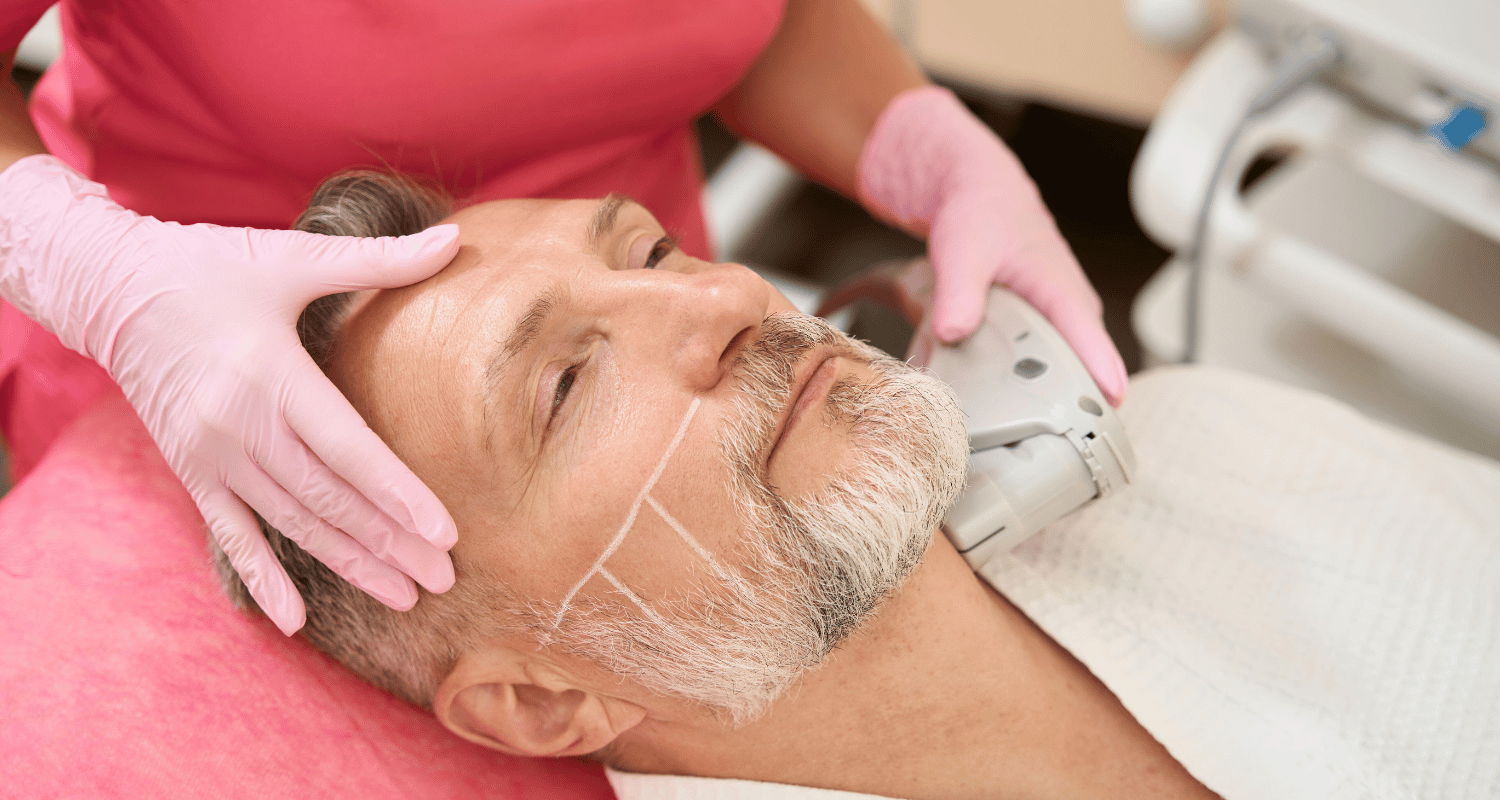
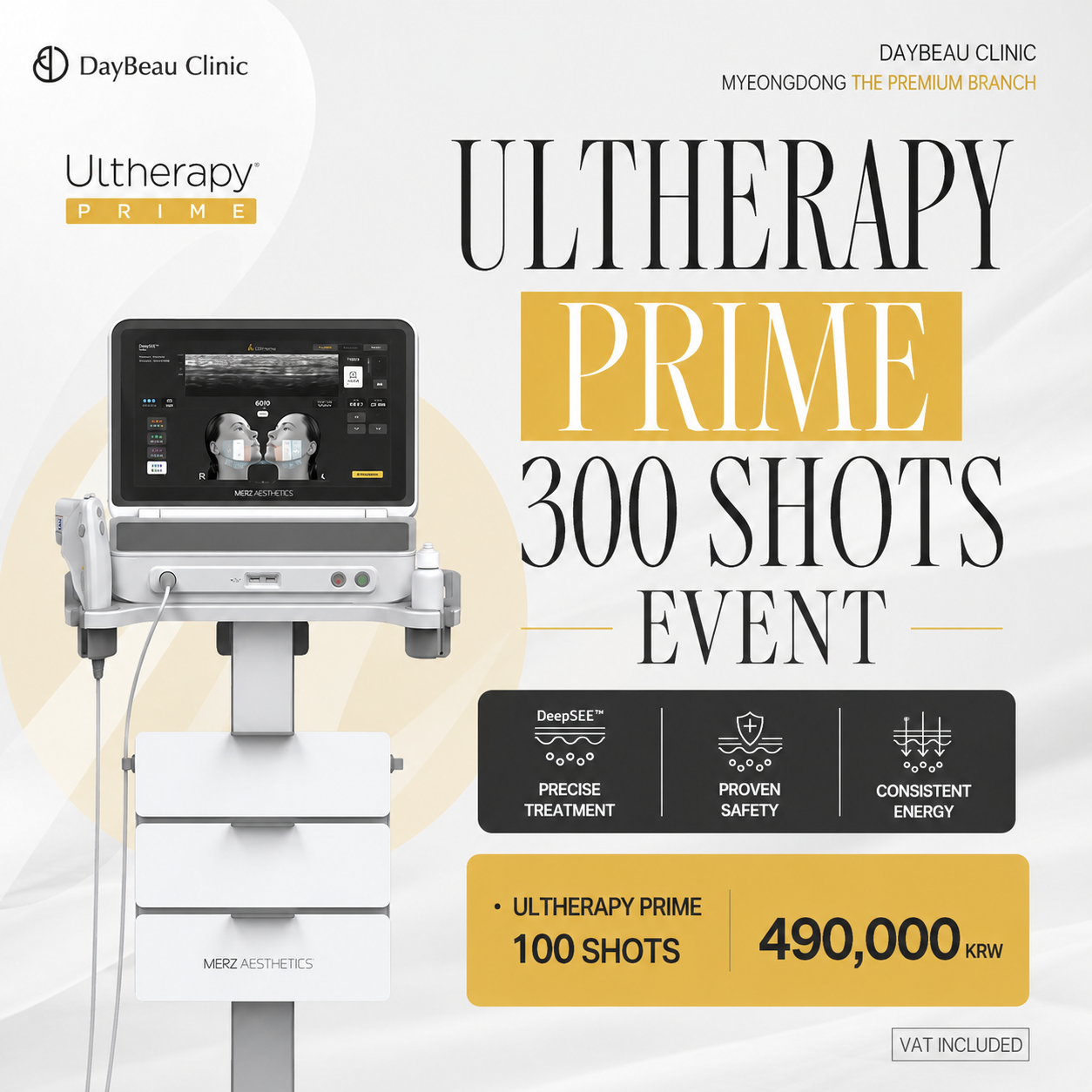
Ultherapy is a non-surgical skin lifting treatment that uses micro-focused ultrasound energy to stimulate collagen production in deeper layers of the skin.
The ultrasound energy can reach the SMAS layer—the same structural layer targeted during surgical facelifts—without requiring incisions or needles. Over time, the body produces new collagen, gradually tightening and lifting the skin.
Why Patients Choose Ultherapy
✔ Completely non-invasive treatment
✔ No incisions or surgical scars
✔ Stimulates natural collagen production
✔ Minimal downtime
✔ Gradual and natural-looking improvement
Because Ultherapy stimulates the body’s own collagen production, results develop gradually over several months rather than immediately.
What Is a Surgical Facelift?
A surgical facelift is a cosmetic surgery that lifts and tightens sagging facial tissues by repositioning deeper layers of the face and removing excess skin.
During the procedure, surgeons typically adjust the SMAS layer and underlying tissues to restore facial structure and improve sagging around the cheeks, jawline, and neck. This approach produces stronger and more dramatic lifting effects compared to non-surgical treatments.
Why Patients Choose Surgical Facelift
✔ Significant lifting and contour improvement
✔ Removes excess skin
✔ Long-lasting rejuvenation results
✔ Treats moderate to advanced sagging
✔ Structural correction of facial tissues
Because surgical facelifts physically reposition deeper facial structures, they can create more dramatic and long-lasting changes compared to energy-based treatments.
Key Differences Between Ultherapy and Surgical Facelift
The main difference between these treatments lies in how they create lifting and the level of correction they provide.
- Ultherapy works by stimulating collagen production using focused ultrasound energy. The treatment tightens tissue gradually over time but does not remove excess skin or reposition deeper fat and muscles.
- A surgical facelift physically lifts and repositions the underlying SMAS layer while removing excess skin. This structural correction produces more dramatic facial rejuvenation.
In simple terms, Ultherapy improves mild to moderate skin laxity through collagen stimulation, while a surgical facelift addresses deeper structural aging.
Downtime Comparison
The recovery experience between these two procedures differs significantly.
- With Ultherapy, most patients experience:
- Mild redness for several hours
- Temporary swelling or tenderness
- No surgical wounds
- Immediate return to daily activities
- With a surgical facelift, patients may experience:
- Swelling and bruising for several weeks
- Surgical incisions around the ears or hairline
- Recovery period of approximately 2–4 weeks before normal activities
- Gradual improvement as swelling resolves.
Which Is Better for Facial Lifting?
The most appropriate treatment depends largely on the degree of facial aging and the desired results.
Ultherapy is generally suitable for patients with mild to moderate skin laxity who want gradual improvement without surgery.
A surgical facelift is often recommended for patients with more significant sagging or excess skin, as it can reposition tissues and produce stronger lifting effects.
Ideal for Travelers Visiting Seoul
Both treatments are available in Seoul, but they suit different types of medical tourism visits.
Most Ultherapy patients experience:
- Short treatment sessions
- Minimal visible downtime
- Immediate return to sightseeing activities
- No surgical recovery period
Surgical facelifts, however, typically require a longer stay for post-operative monitoring and recovery.
Who Is a Good Candidate for Ultherapy?
- Mild to moderate skin laxity
- Early jawline or neck sagging
- Patients seeking non-invasive lifting
- Individuals preferring minimal downtime
- Patients interested in gradual collagen stimulation
Who Is a Good Candidate for Surgical Facelift?
- Moderate to severe facial sagging
- Excess loose skin
- Visible jowls or deep folds
- Patients seeking long-lasting rejuvenation
- Individuals comfortable with surgical recovery
Expected Results Timeline
- Ultherapy tightening develops gradually over 2–3 months as collagen forms
- Results may last around 12–24 months depending on skin condition
- Surgical facelift results are visible after swelling subsides
- Facelift improvements can last 5–10 years or longer.
Final Takeaway
Ultherapy and surgical facelifts in Korea represent two very different approaches to facial lifting.
Ultherapy provides gradual, non-surgical tightening by stimulating collagen production in deeper skin layers, making it suitable for early signs of aging. Surgical facelifts, on the other hand, physically reposition facial tissues and remove excess skin, producing more dramatic and long-lasting rejuvenation.
The best choice depends on the severity of sagging, desired level of improvement, and willingness to undergo surgery. In Seoul, both treatments are widely available and often selected based on each patient’s facial structure and aging pattern. ✨