Thermage vs RF Microneedling in Korea
For visitors traveling to Seoul for non-surgical skin tightening and rejuvenation, Thermage and RF microneedling are two widely performed treatments. Both procedures stimulate collagen production using radiofrequency energy, but their techniques and treatment goals differ.
Thermage delivers radiofrequency heat deep into the skin without needles, while RF microneedling combines tiny needles with radiofrequency energy to remodel the dermis more directly. Because of these differences, the two treatments are often chosen for different skin concerns.
What Is Thermage?
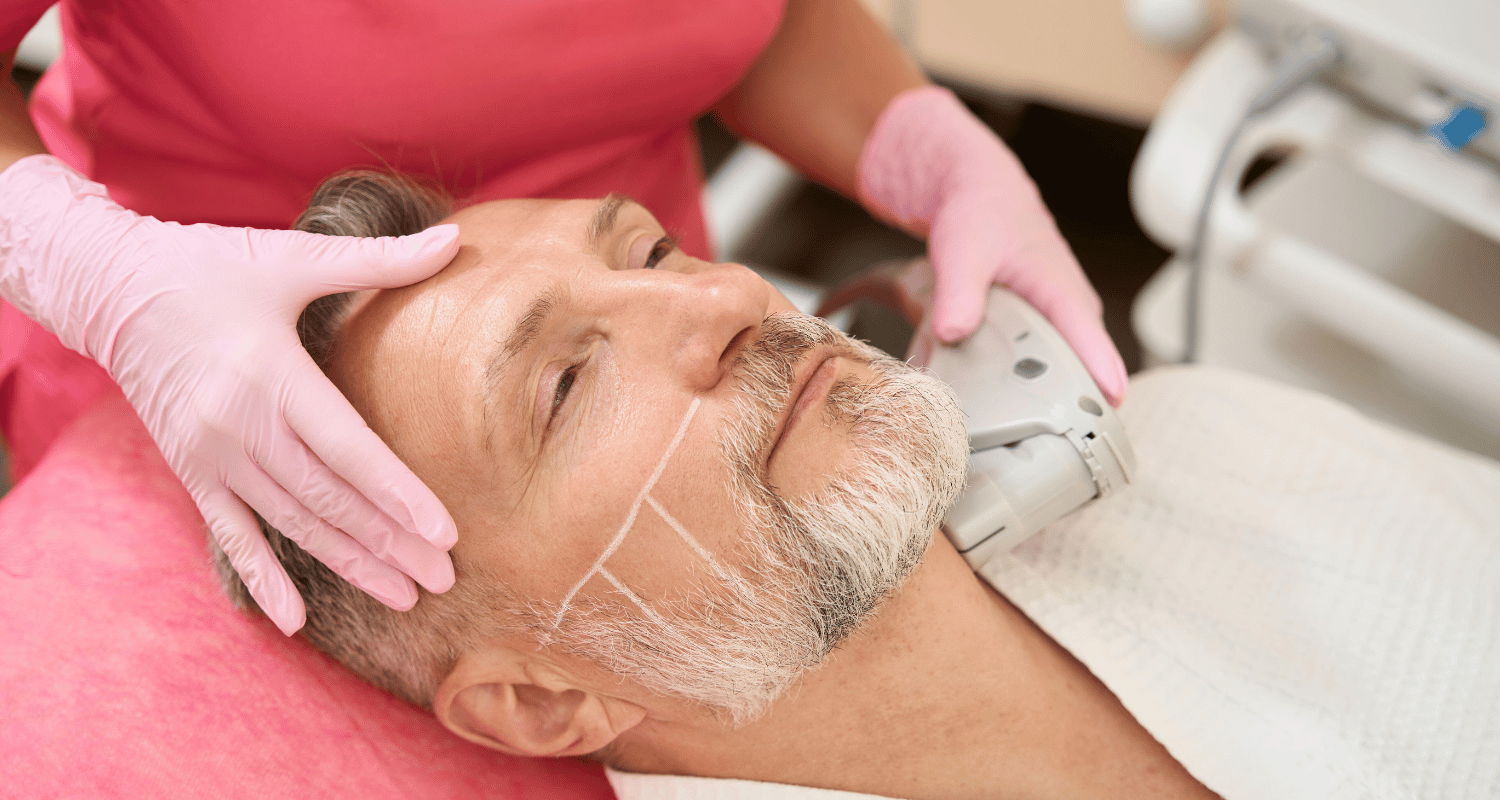
Thermage is a non-invasive radiofrequency skin tightening treatment designed to heat the deeper layers of the dermis and stimulate collagen remodeling. The controlled heat causes existing collagen fibers to contract while encouraging the production of new collagen over time.
Because the energy penetrates deep without breaking the skin surface, Thermage is commonly used to improve overall skin firmness, mild sagging, and fine lines on the face, neck, and body.
Why Patients Choose Thermage
✔ Non-invasive treatment with no needles
✔ Often performed in a single treatment session
✔ Improves overall skin firmness and elasticity
✔ Long clinical track record for RF skin tightening
✔ Results may last around 12–18 months in many patients
Thermage is frequently chosen by patients seeking gradual tightening and anti-aging improvement without invasive procedures.
What Is RF Microneedling?
RF microneedling combines traditional microneedling with radiofrequency energy delivered through fine needles. The needles create tiny micro-channels in the skin while the RF energy heats deeper dermal layers to stimulate collagen and elastin production.
This dual approach allows the treatment to improve skin texture, reduce acne scars, tighten pores, and address mild skin laxity. Because it targets specific dermal areas, RF microneedling is often used for resurfacing and skin quality improvement.
Why Patients Choose RF Microneedling
✔ Improves skin texture and pore appearance
✔ Effective for acne scars and fine lines
✔ Direct collagen stimulation in the dermis
✔ Combines resurfacing and tightening effects
✔ Suitable for localized skin concerns
RF microneedling is commonly recommended for patients looking to improve both skin firmness and surface texture.
Key Differences Between Thermage and RF Microneedling
The main differences involve treatment method, target depth, and treatment frequency.
- Thermage uses monopolar radiofrequency energy without needles to heat deeper dermal and subdermal layers. It produces overall skin tightening and lifting through collagen contraction and remodeling.
- RF microneedling uses tiny needles that deliver radiofrequency energy directly into the dermis. The controlled micro-injuries stimulate collagen while also improving skin texture, acne scars, and enlarged pores.
In simple terms, Thermage focuses on broad skin tightening, while RF microneedling provides more targeted dermal remodeling and resurfacing.
Downtime Comparison
Both treatments are minimally invasive, but their recovery experiences differ.
- With Thermage, most patients experience:
- Mild redness or warmth for several hours
- No visible wounds or punctures
- Immediate return to daily activities
- With RF microneedling, patients may experience:
- Redness or swelling for 1–3 days
- Small pinpoint marks from the needles
- Temporary skin sensitivity
Thermage generally has less downtime because it does not puncture the skin surface.
Which Is Better for Skin Tightening?
The most suitable option depends on the type of skin concern.
Thermage is often recommended for patients with mild to moderate skin laxity who want overall tightening and lifting. RF microneedling is commonly chosen for improving skin texture, acne scars, and enlarged pores while also providing mild tightening.
In many Seoul clinics, doctors may combine treatments such as:
- Thermage for deep skin tightening
- RF microneedling for texture improvement
- Laser treatments for pigmentation
- Collagen-stimulating skincare
This layered approach helps address both structural skin laxity and surface skin quality.
Ideal for Travelers Visiting Seoul
Both Thermage and RF microneedling are commonly chosen by international visitors seeking aesthetic treatments in Seoul.
Most patients experience:
- No surgical incisions
- Short procedure times
- Minimal interruption to travel schedules
- Gradual collagen-based skin improvement
However, travelers planning RF microneedling may prefer allowing a day or two for temporary redness to subside.
Who Is a Good Candidate for Thermage?
- Patients with mild to moderate skin laxity
- Individuals seeking overall skin tightening
- Those wanting a single-session treatment
- Patients preferring non-invasive procedures
- Individuals interested in long-lasting collagen stimulation
Who Is a Good Candidate for RF Microneedling?
- Patients with acne scars or enlarged pores
- Individuals seeking improved skin texture
- Those with fine lines and mild skin laxity
- Patients comfortable with microneedle treatments
- Individuals interested in multi-session skin rejuvenation
Expected Results Timeline
- Initial tightening may appear shortly after treatment
- Collagen production gradually increases over several weeks
- Continued improvement for 2–6 months
- Maintenance treatments may be recommended depending on skin condition
RF microneedling often requires multiple sessions, while Thermage is typically performed once with results developing gradually over time.
Final Takeaway
Thermage and RF microneedling in Korea are both popular non-surgical treatments designed to improve skin firmness and reduce visible signs of aging.
Thermage focuses on broad skin tightening using deep radiofrequency heating, while RF microneedling combines micro-needling and RF energy to improve skin texture, pores, and mild laxity.
The best option depends on the primary skin concern, desired downtime, and treatment goals. Many visitors to Seoul choose these procedures because they provide collagen-stimulating rejuvenation with minimal disruption to travel plans. ✨