Subcision vs PRP for Acne Scars in Korea
For visitors coming to Seoul to improve acne scars, choosing between subcision and platelet‑rich plasma (PRP) therapy is a common consideration. Many international patients ask which treatment delivers more noticeable scar improvement, how many sessions are needed, and what type of downtime to expect.
Both subcision and PRP are widely used in Korea, but they differ in technique, purpose, and results.
What Is Subcision?
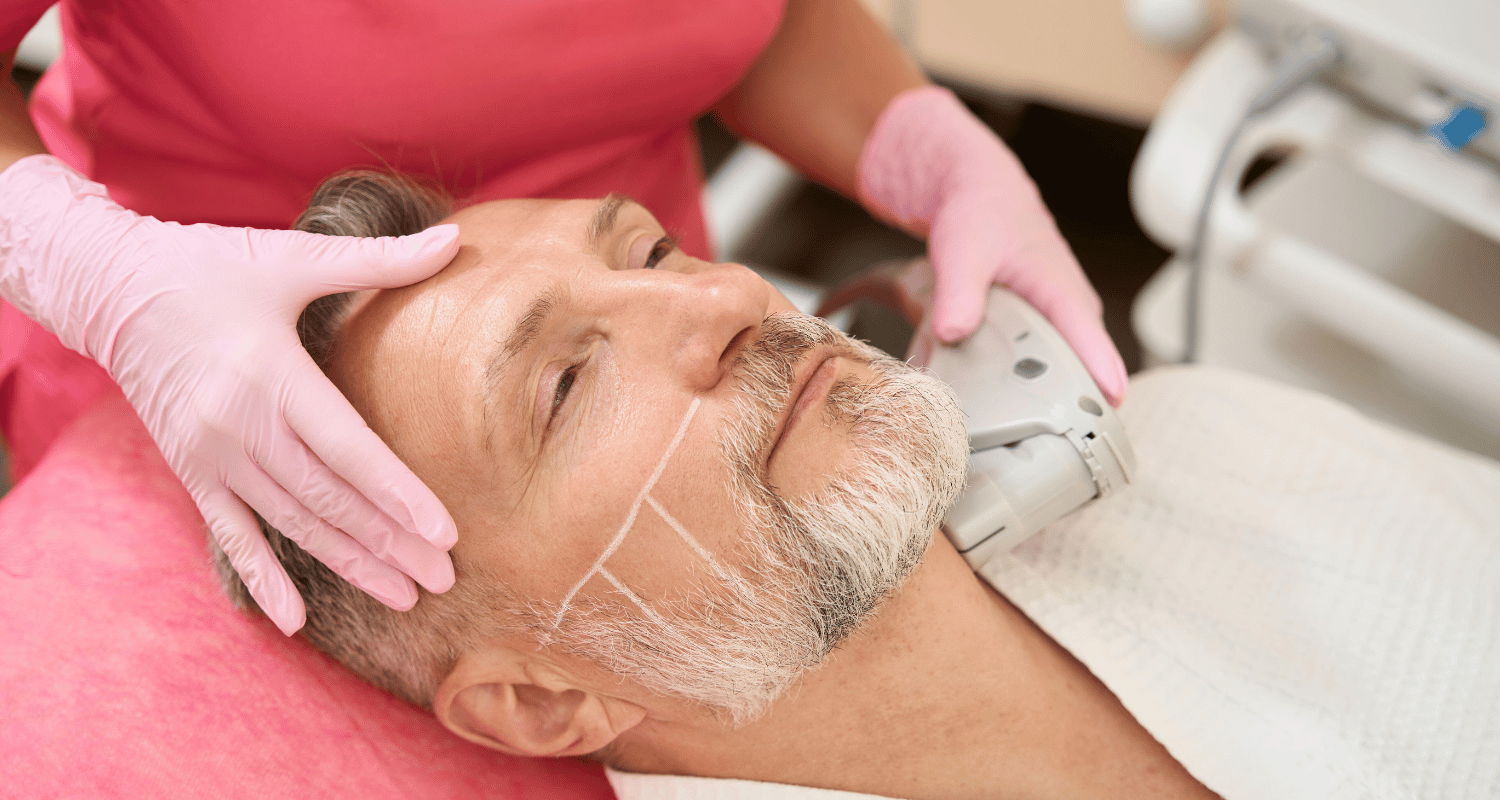
Subcision is a minimally invasive procedure where a fine needle is inserted beneath the scar to manually break fibrous scar bands that tether the skin surface.
By releasing these fibrous strands, the skin can elevate and smooth out depressed scars such as rolling or boxcar acne scars.
Why Patients Choose Subcision
✔ Directly releases tethered scar tissue
✔ Effective for moderate to deep depressed scars
✔ Can be combined with other scar treatments
✔ Immediate physical separation of scar bands
✔ Often improves scar mobility and contour
Subcision is often recommended for patients with rolling or tethered acne scars that do not respond well to surface‑level resurfacing alone.
What Is PRP for Acne Scars?
Platelet‑rich plasma (PRP) therapy involves drawing a small amount of the patient’s own blood, concentrating the platelets, and injecting or combining the plasma with microneedling or laser treatments.
PRP delivers growth factors that support healing, collagen production, and tissue regeneration.
Why Patients Choose PRP
✔ Promotes natural healing and collagen stimulation
✔ Supports improved skin texture and tone
✔ Can be combined with microneedling or lasers
✔ Uses the patient’s own biologic material
✔ Low risk of allergic reaction
PRP is often chosen by patients who want to enhance overall skin quality and support scar healing alongside other procedures.
Key Differences Between Subcision and PRP
The main difference lies in treatment mechanism and primary goal.
- Subcision mechanically releases fibrous scar attachments below depressed scars, directly addressing the structural cause of certain acne scars. It focuses on physical scar release rather than biologic stimulation.
- PRP uses biologic growth factors to boost collagen production and healing, which can improve texture and tone but does not mechanically release scar bands on its own.
In summary, subcision prioritizes direct scar release for deeper waves or depressions, while PRP emphasizes enhanced healing and overall skin quality.
Downtime Comparison
Recovery varies depending on treatment intensity and combination use.
- With subcision:
- Mild swelling and redness for 1–3 days
- Occasional mild bruising at treatment sites
- Tenderness or sensitivity for several days
- With PRP:
- Mild redness and warmth at injection or microneedling sites
- Minor swelling for a day or two
- Minimal peeling if combined with other treatments
Both treatments generally allow daily activities to resume quickly, especially when combined conservatively.
Which Is Better for Acne Scars?
For deeper, tethered acne scars (such as rolling scars), subcision is often more effective at physically releasing scar bands.
For general texture improvement, collagen stimulation, and skin quality enhancement, PRP is frequently used, especially as an adjunct to resurfacing or microneedling.
Many Seoul dermatologists combine:
- Subcision for structural scar release
- PRP to support healing and collagen remodeling
- Fractional laser or microneedling for surface texture
This integrated strategy can optimize overall scar improvement while balancing recovery.
Ideal for Travelers Visiting Seoul
Both subcision and PRP can be adapted for short medical tourism visits.
Most patients experience:
- No major open wounds
- Manageable redness or swelling
- Quick resumption of daily activities
Conservative scheduling allows sightseeing without significant interference.
Who Is a Good Candidate for Subcision?
- Rolling or tethered acne scars
- Moderate to deep depressed scars
- Patients seeking structural scar release
- Individuals comfortable with local anesthesia
- Those prepared for short‑term swelling
Who Is a Good Candidate for PRP?
- Mild to moderate acne scars
- Patients prioritizing enhanced healing and collagen support
- Individuals combining with microneedling or laser
- Those who prefer biologic regeneration approaches
- Sensitive skin types needing gentle support
Expected Results Timeline
- Subcision: noticeable contour improvement within 1–2 sessions
- PRP: gradual texture and tone improvement over several weeks
- Combination plans: enhanced results 4–8 weeks post‑treatment
- Continued improvement with maintenance and skincare
Final Takeaway
Subcision and PRP therapy in Korea both offer effective options for improving acne scars in international visitors.
Subcision directly addresses deeper, tethered scars for structural contour improvement, while PRP enhances healing, collagen production, and overall skin quality.
The best choice depends on scar type, severity, and treatment goals. In Seoul’s experienced clinics, personalized combination plans help achieve smoother, more even skin while minimizing downtime and supporting travel plans. ✨