Sofwave vs Ultherapy for Sagging Skin in Korea
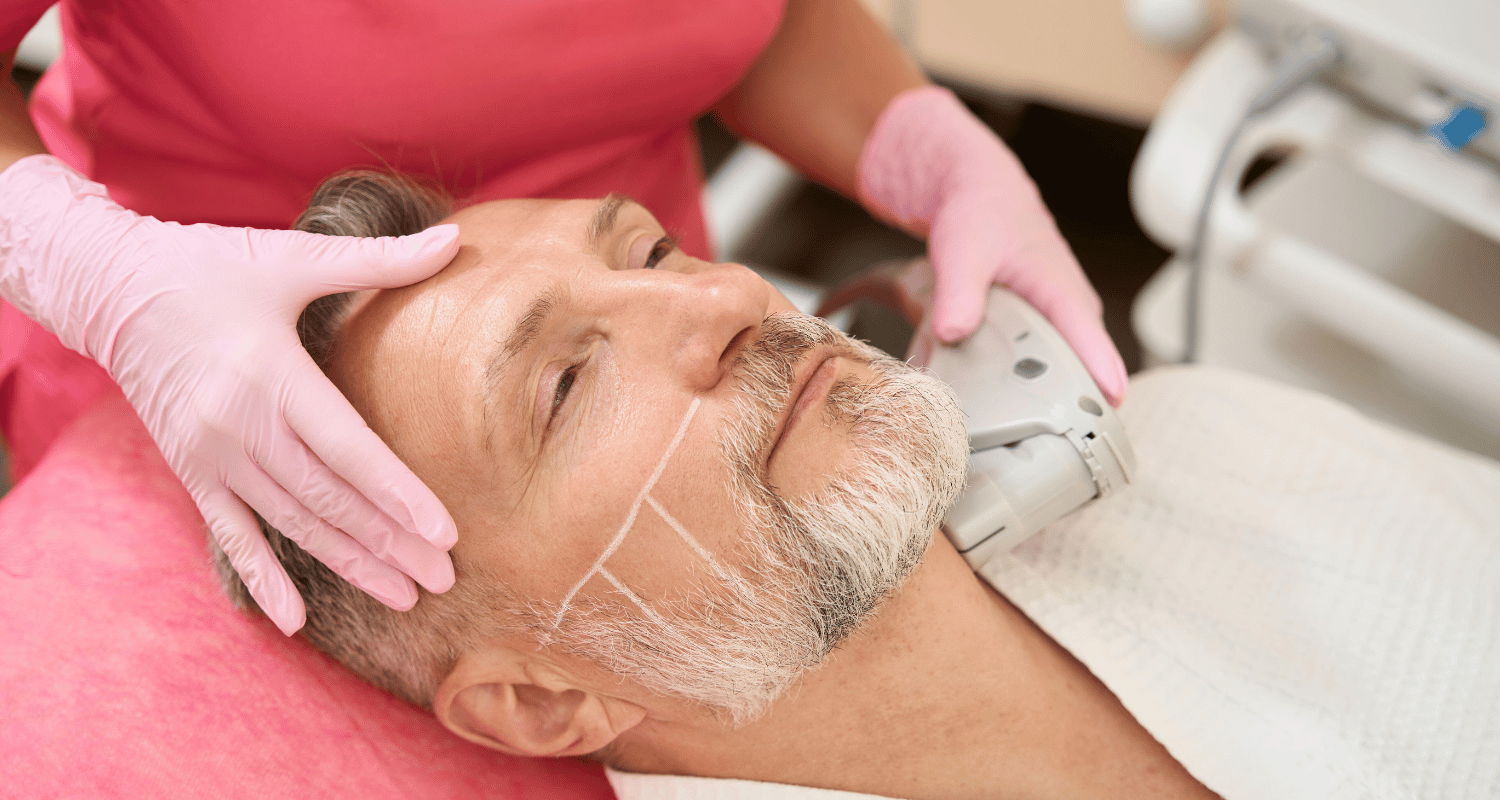
For visitors coming to Seoul seeking non-surgical skin lifting, Sofwave and Ultherapy are two of the most advanced ultrasound-based treatments available. Both procedures stimulate collagen production beneath the skin to tighten sagging areas without surgery.
However, the treatments differ in technology, treatment depth, and lifting strength. Sofwave focuses on improving skin firmness and fine lines in the dermal layer, while Ultherapy targets deeper structural tissues to create stronger lifting effects.
What Is Sofwave?
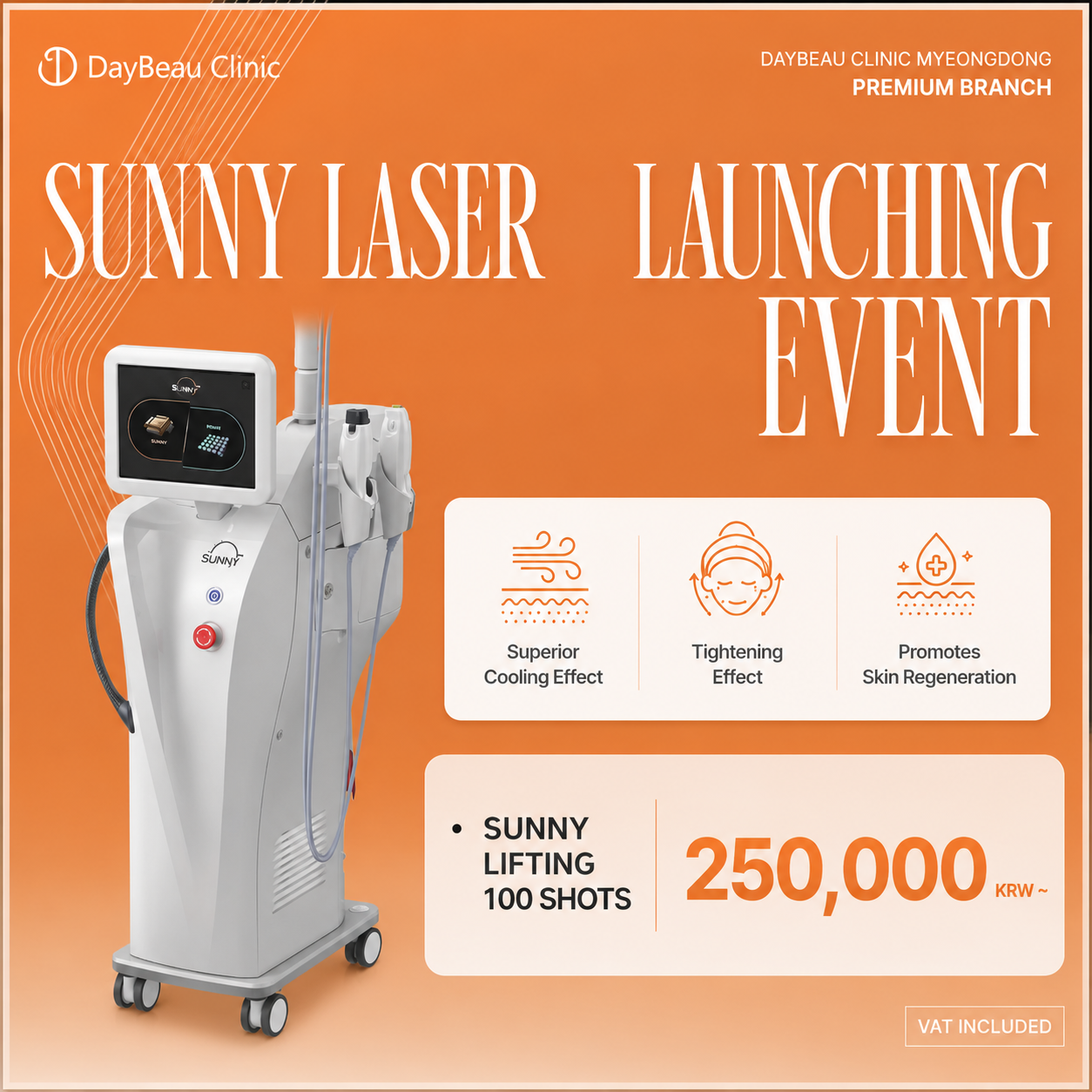
Sofwave is a newer ultrasound-based skin tightening treatment that delivers parallel ultrasound beams to the mid-dermis. The energy is typically focused at around 1.5 mm beneath the skin surface, stimulating collagen and elastin production in the dermal layer.
Rather than targeting deeper muscle layers, Sofwave primarily improves skin firmness, elasticity, and fine lines through dermal collagen stimulation.
Why Patients Choose Sofwave
✔ Improves skin firmness and elasticity
✔ Effective for fine lines and mild laxity
✔ More comfortable compared to deeper ultrasound treatments
✔ Faster treatment sessions
✔ Minimal recovery time
Many patients notice gradual skin tightening and smoother texture as collagen production increases.
What Is Ultherapy?
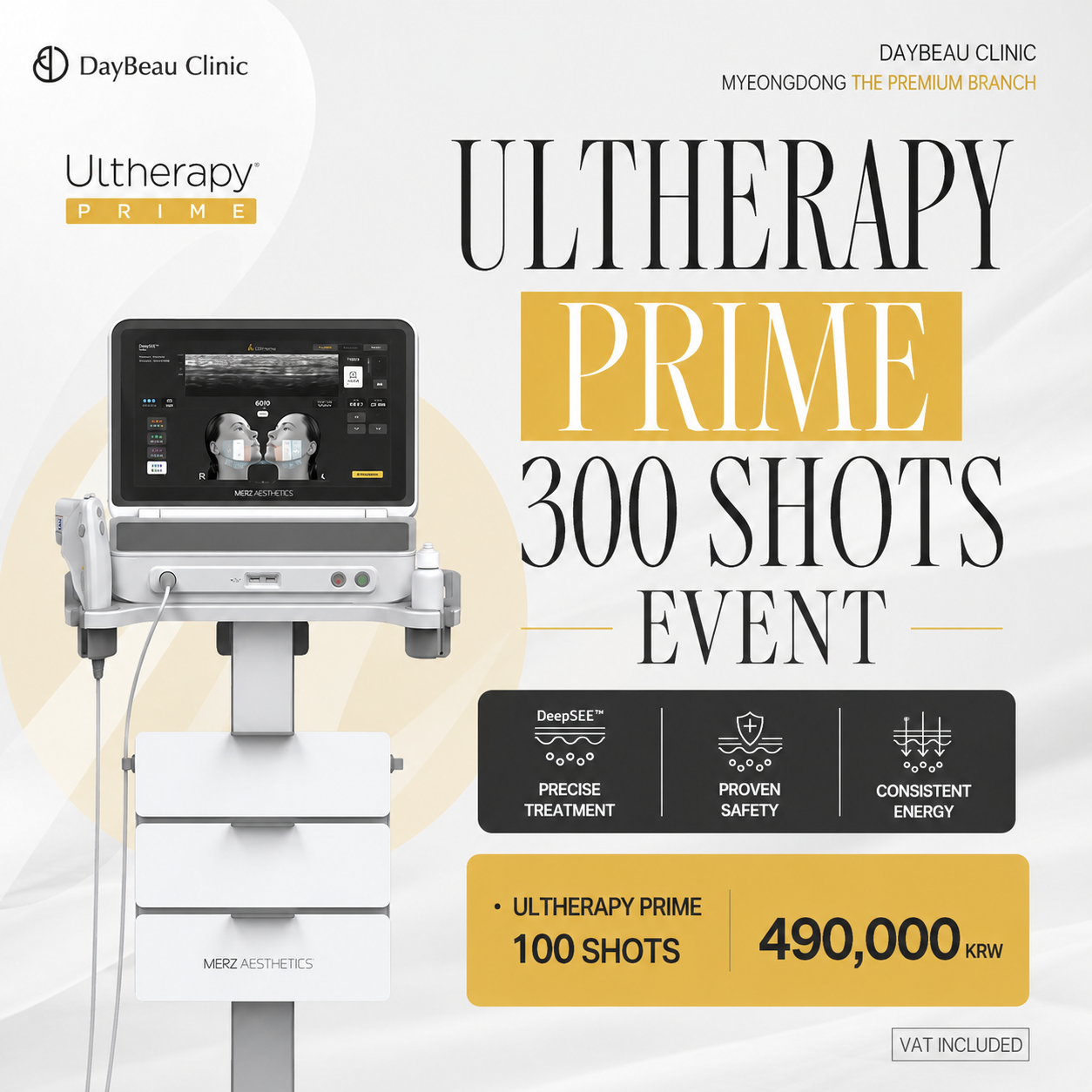
Ultherapy is a non-surgical lifting treatment that uses micro-focused ultrasound energy to stimulate collagen production in deeper layers of the skin. The energy can reach depths of up to 4.5 mm, including the SMAS layer—the same structural layer targeted in surgical facelifts.
By creating controlled thermal points at multiple depths, Ultherapy tightens and lifts tissues over time. It is commonly used for sagging cheeks, jawline laxity, and brow lifting.
Why Patients Choose Ultherapy
✔ Targets deeper structural layers of the skin
✔ Helps lift sagging cheeks and jawline
✔ Stimulates long-term collagen production
✔ Non-surgical alternative to facelift procedures
✔ Long-lasting tightening effects
Results usually develop gradually over several months as collagen remodeling occurs.
Key Differences Between Sofwave and Ultherapy
The main difference between these treatments lies in treatment depth and lifting strength.
- Ultherapy uses micro-focused ultrasound to treat multiple tissue depths (1.5 mm, 3.0 mm, and 4.5 mm), including the SMAS layer. Because it targets deeper structural support tissues, it is often chosen for lifting sagging areas such as the jawline, cheeks, and neck.
- Sofwave delivers ultrasound energy primarily to the mid-dermis at around 1.5 mm depth. This stimulates collagen production to improve skin firmness and texture, making it more suitable for mild laxity and early signs of aging.
In general, Ultherapy provides deeper lifting effects, while Sofwave focuses more on surface tightening and skin quality improvement.
Downtime Comparison
Both treatments are non-invasive procedures that usually require little to no downtime.
- With Ultherapy, patients may experience:
- Mild swelling or tenderness
- Temporary redness
- Gradual lifting over several months
- With Sofwave, patients may experience:
- Mild redness for a few hours
- Warm sensation during treatment
- Minimal post-treatment discomfort
Most patients can return to normal daily activities immediately after either procedure.
Which Is Better for Sagging Skin?
The best treatment depends on the severity and depth of skin laxity.
Ultherapy is often recommended for patients with moderate sagging who want deeper lifting of the cheeks, jawline, or neck.
Sofwave may be more suitable for individuals with early skin laxity who want firmer skin, improved elasticity, and smoother texture.
In many Seoul clinics, doctors may combine treatments such as:
- Ultherapy for deeper lifting
- Sofwave for dermal tightening and skin quality
- collagen-stimulating injections
- laser skin rejuvenation
This combination approach addresses both deep structural support and surface skin quality.
Ideal for Travelers Visiting Seoul
Both Sofwave and Ultherapy are commonly chosen by international patients visiting Seoul for non-surgical facial rejuvenation.
Most patients experience:
- Short treatment sessions
- Minimal visible side effects
- No bandages or wounds
- Gradual natural-looking improvement
Because recovery is minimal, these treatments can often be scheduled during short medical tourism visits.
Who Is a Good Candidate for Sofwave?
- Patients with mild skin laxity
- Individuals with fine lines or reduced elasticity
- Those seeking skin tightening with less discomfort
- Patients interested in preventative anti-aging treatments
- Individuals wanting improved skin firmness and texture
Who Is a Good Candidate for Ultherapy?
- Patients with sagging jawline or cheeks
- Individuals with moderate skin laxity
- Those seeking stronger lifting effects
- Patients considering non-surgical facelift alternatives
- Individuals wanting longer-lasting tightening
Expected Results Timeline
- Sofwave results may begin appearing within several weeks
- Ultherapy results typically develop over 2–3 months
- Collagen remodeling continues gradually over time
- Maintenance treatments may be recommended annually
Final Takeaway
Sofwave and Ultherapy are both ultrasound-based skin tightening treatments widely performed in Korea for sagging skin.
Ultherapy focuses on deeper structural lifting by targeting multiple tissue layers including the SMAS layer, while Sofwave concentrates on dermal collagen stimulation to improve skin firmness and fine lines.
The most suitable treatment depends on the depth of skin laxity and desired lifting strength. Many clinics in Seoul customize treatment plans by combining technologies to achieve balanced skin tightening and natural-looking facial rejuvenation. ✨