Sofwave vs HIFU Technology in Korea
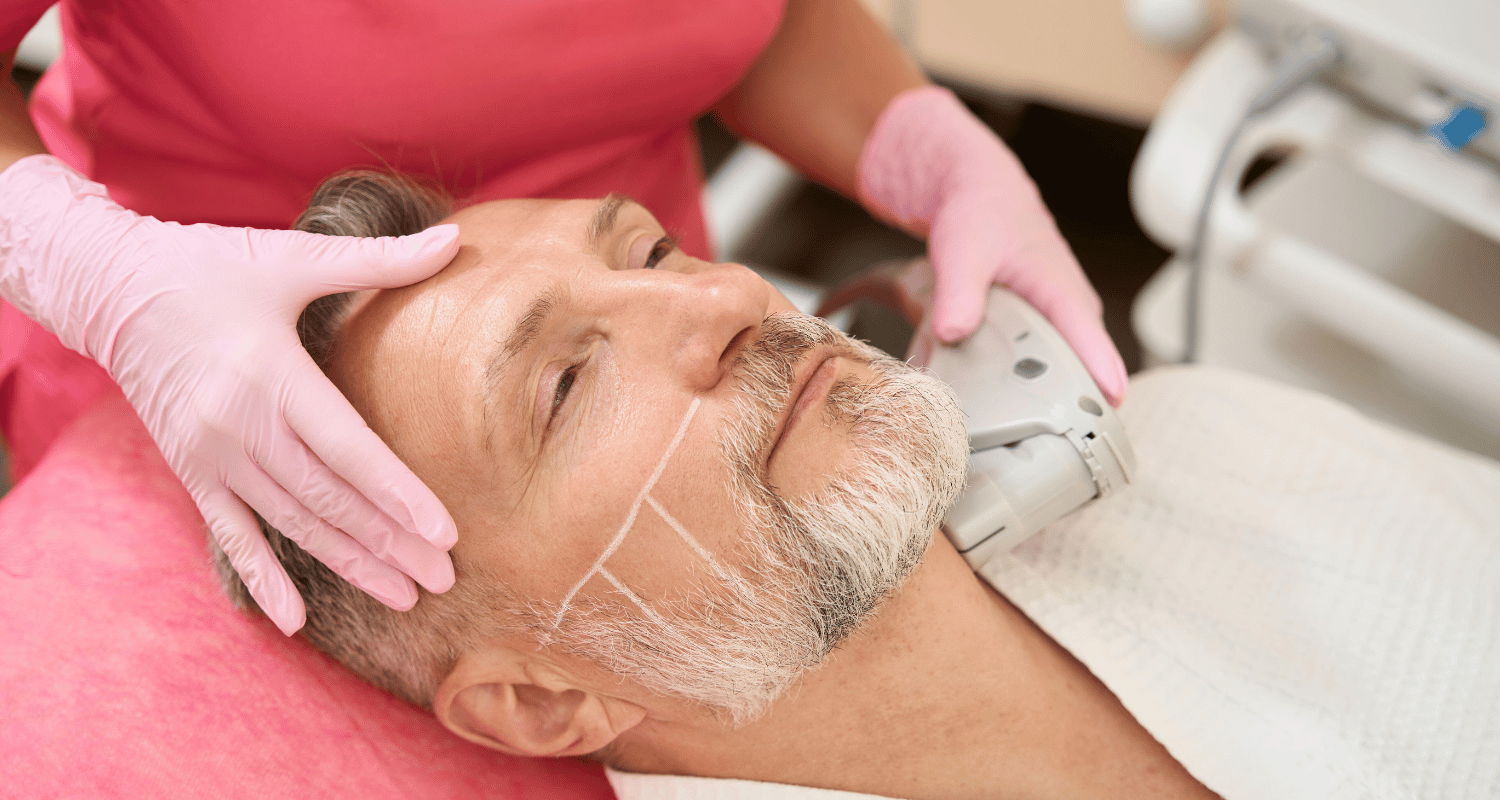
For visitors considering non-surgical skin tightening in Seoul, Sofwave and HIFU technology are two popular ultrasound-based treatments used to improve skin firmness and facial contours.
Both technologies stimulate collagen production using ultrasound energy. However, they differ in how deeply they target the skin, the type of ultrasound delivery system they use, and the types of aging concerns they address. These differences can influence lifting strength, comfort during treatment, and overall results.
What Is Sofwave?
Sofwave is a next-generation skin tightening treatment that uses Synchronous Ultrasound Parallel Beam (SUPERB™) technology to deliver ultrasound energy across the mid-dermis.
Instead of targeting deep structural layers, the treatment focuses on the dermal layer where collagen and elastin fibers are most concentrated. This controlled heating stimulates collagen regeneration and improves skin firmness and wrinkles over time.
Why Patients Choose Sofwave
✔ Improves skin elasticity and fine lines
✔ Targets the mid-dermis for collagen stimulation
✔ Minimal discomfort with built-in cooling technology
✔ Very little to no downtime
✔ Even and consistent energy delivery across the skin
Because Sofwave works mainly in the dermal layer, it is often selected for improving skin texture, early aging signs, and overall firmness rather than dramatic lifting.
What Is HIFU Technology?
HIFU (High-Intensity Focused Ultrasound) is a non-invasive lifting technology that delivers concentrated ultrasound energy to deeper skin layers.
The energy can reach depths of up to 4.5 mm, including the SMAS layer—the same structural layer targeted in surgical facelifts. This deep thermal stimulation triggers collagen production and gradually tightens sagging tissue.
Why Patients Choose HIFU Technology
✔ Strong lifting effect for sagging skin
✔ Targets deeper structural layers
✔ Improves jawline and facial contour
✔ Helps reduce mild jowls and double chin
✔ Long-established technology used worldwide
Because HIFU reaches deeper tissue layers, it is often recommended when the primary concern is facial sagging rather than surface skin quality.
Key Differences Between Sofwave and HIFU
Although both treatments use ultrasound energy, they target different skin layers and produce different types of results.
- Sofwave delivers parallel ultrasound beams at approximately 1.5 mm depth, focusing on the mid-dermis where collagen production is highest. This approach mainly improves skin elasticity and fine wrinkles.
- HIFU uses focused ultrasound energy that can penetrate deeper layers ranging from about 1.5 mm to 4.5 mm, including the SMAS layer. This deeper targeting produces stronger lifting and contour improvement.
In simple terms, Sofwave focuses on skin quality and elasticity, while HIFU is typically used for deeper lifting and structural tightening.
Downtime Comparison
Both procedures are non-surgical, but the treatment experience can differ.
- With Sofwave, patients usually experience:
- Mild redness for several hours
- Comfortable treatment due to integrated cooling
- Immediate return to normal activities
- With HIFU treatments, patients may experience:
- Temporary swelling or tenderness
- Mild redness for several days
- Slight discomfort during treatment sessions.
Which Is Better for Skin Tightening?
The best treatment depends on the primary concern.
Sofwave is generally preferred when the goal is improving skin elasticity, smoothing fine wrinkles, and enhancing overall skin quality.
HIFU technology may be more suitable when deeper lifting is needed, particularly in areas such as the jawline, cheeks, or under the chin.
Ideal for Travelers Visiting Seoul
Both Sofwave and HIFU treatments are widely offered in Seoul’s dermatology and aesthetic clinics.
Most patients experience:
- Short treatment sessions
- Minimal visible downtime
- Same-day return to regular activities
- No surgical recovery
These characteristics make both procedures popular among international patients seeking quick, non-invasive rejuvenation treatments.
Who Is a Good Candidate for Sofwave?
- Early signs of aging
- Fine lines and mild skin laxity
- Reduced skin elasticity
- Patients wanting subtle tightening
- Individuals seeking minimal discomfort
Who Is a Good Candidate for HIFU?
- Mild to moderate facial sagging
- Drooping jawline or cheeks
- Early jowl formation
- Patients wanting stronger lifting
- Individuals seeking structural tightening
Expected Results Timeline
- Sofwave may produce subtle tightening soon after treatment
- Collagen production continues improving over 2–3 months
- HIFU lifting effects typically develop gradually over several months
- Results from both treatments may last around 12–18 months depending on skin condition and maintenance.
Final Takeaway
Sofwave and HIFU technology are both ultrasound-based treatments designed to improve skin firmness without surgery.
Sofwave focuses on the mid-dermal layer to enhance skin elasticity, reduce fine lines, and improve overall skin texture. HIFU technology, on the other hand, targets deeper structural layers to create stronger lifting and contouring effects.
The most suitable option depends on whether the primary goal is improving skin quality or achieving deeper facial lifting. In Korea, both technologies are commonly used and often selected based on the patient’s skin condition and aesthetic goals. ✨