Shurink HIFU vs Ultherapy in Korea
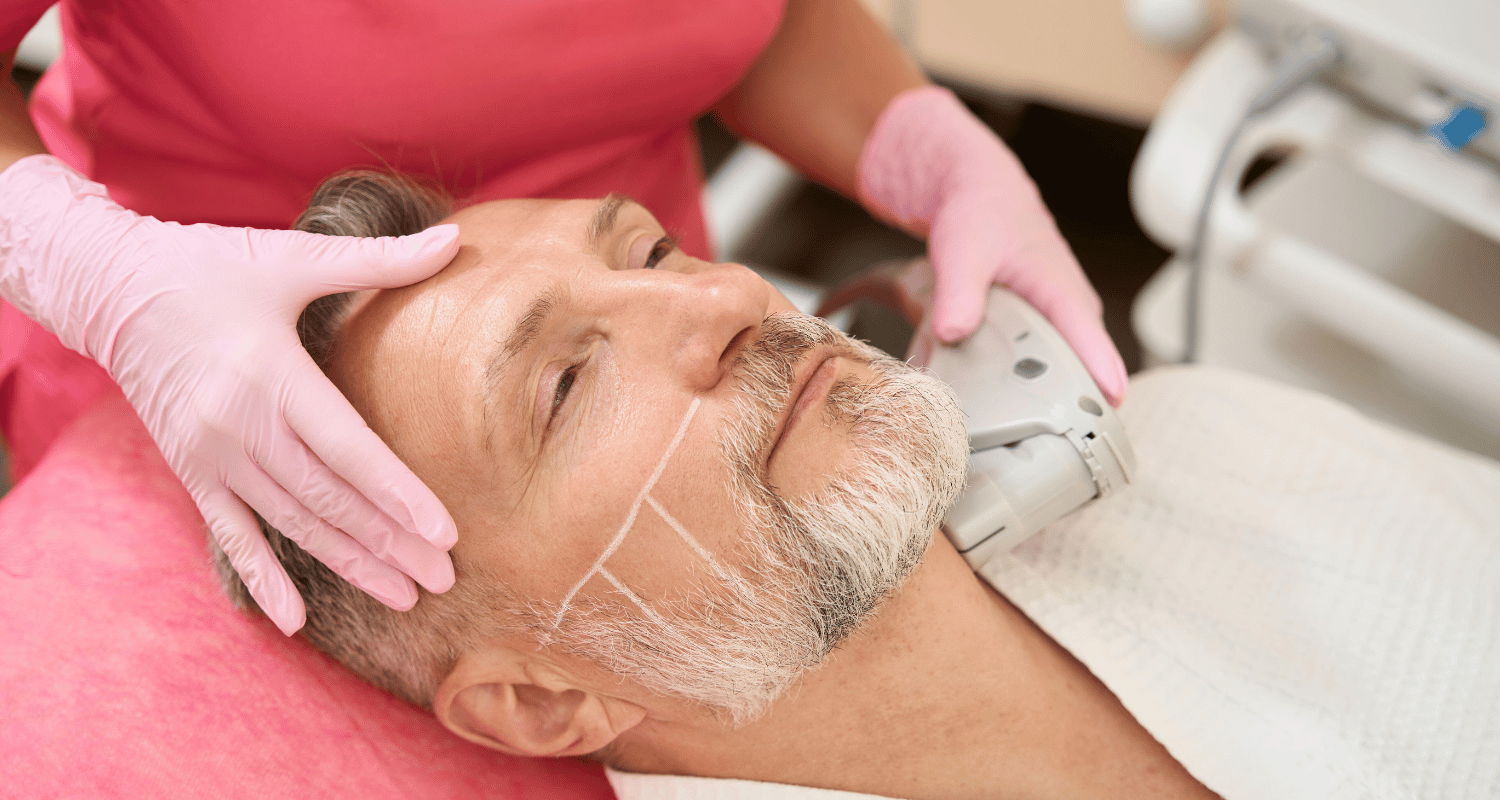
For visitors coming to Seoul seeking non-surgical lifting treatments, ultrasound-based skin tightening procedures are among the most popular options. Two of the most frequently discussed treatments are Shurink HIFU and Ultherapy.
Both procedures use focused ultrasound energy to stimulate collagen production and lift sagging skin, but they differ in technology, intensity, and overall treatment experience.
What Is Shurink HIFU?
Shurink HIFU is a high-intensity focused ultrasound treatment developed in Korea that targets deeper skin layers to stimulate collagen regeneration and tightening.
The procedure delivers ultrasound energy to the SMAS layer, which is the same structural layer addressed during surgical facelifts, helping improve skin firmness over time.
Why Patients Choose Shurink HIFU
✔ More affordable compared to many international HIFU systems
✔ Shorter treatment time
✔ Gradual and natural-looking lifting results
✔ Popular and widely available in Korean clinics
✔ Suitable for maintenance treatments
Because of its accessibility and relatively comfortable procedure, Shurink is commonly chosen by patients seeking mild to moderate lifting without undergoing surgery.
What Is Ultherapy?
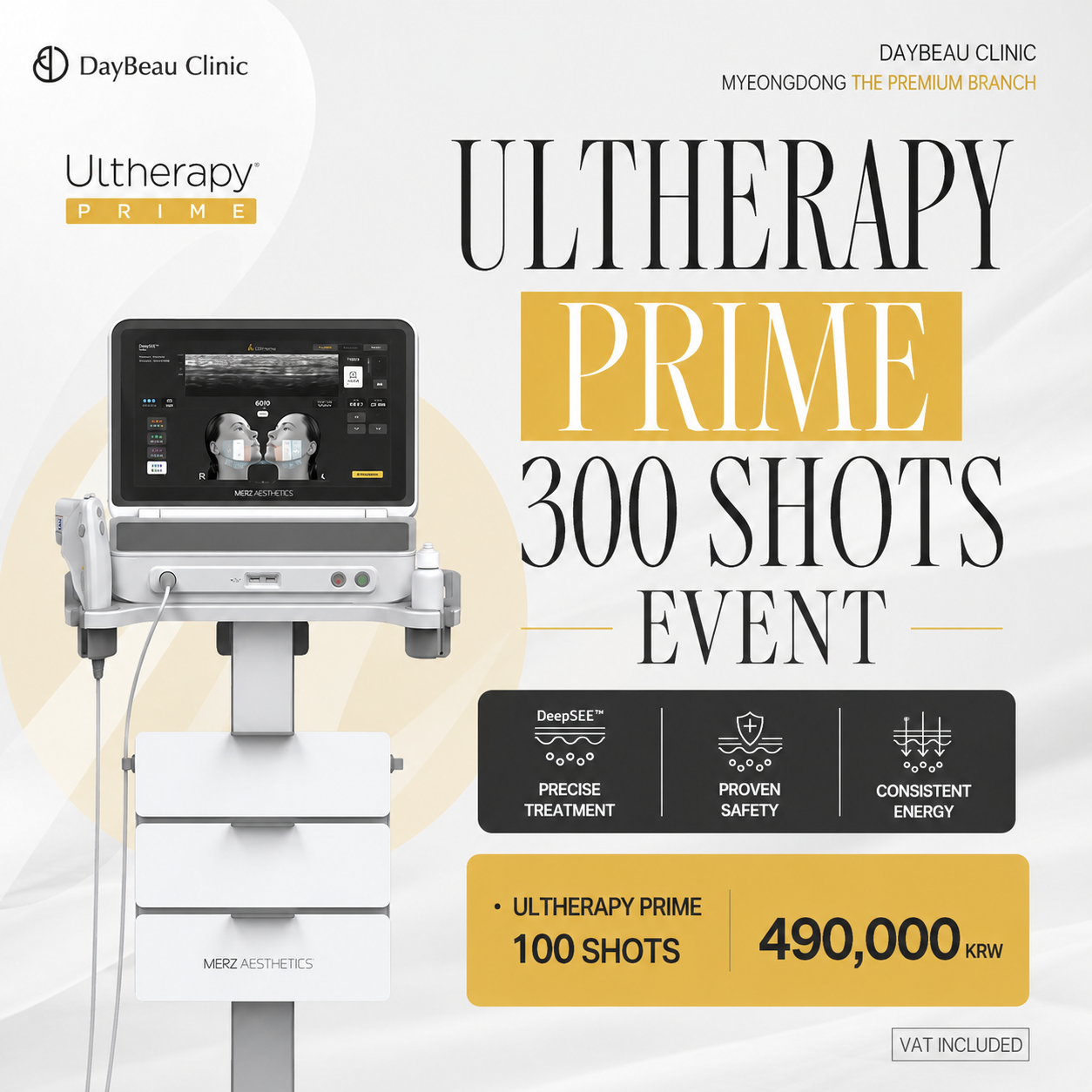
Ultherapy is an FDA-cleared ultrasound lifting treatment that uses microfocused ultrasound energy with real-time imaging to precisely target skin layers.
The imaging technology allows practitioners to visualize the tissue during treatment, helping ensure accurate delivery of energy to the collagen-rich layers responsible for skin support.
Why Patients Choose Ultherapy
✔ FDA-cleared technology for lifting and tightening
✔ Real-time ultrasound imaging for precision
✔ Stronger collagen stimulation potential
✔ Longer-lasting lifting results in some patients
✔ Well-known international reputation
Ultherapy is often selected by patients seeking more significant lifting effects or those who prefer a treatment with globally recognized clinical data.
Key Differences Between Shurink HIFU and Ultherapy
The main differences involve treatment intensity, imaging capability, and overall cost.
- Shurink HIFU delivers focused ultrasound energy using preset depth cartridges without real-time imaging. The treatment is generally quicker and more affordable, making it a common option for routine lifting maintenance.
- Ultherapy uses microfocused ultrasound combined with live ultrasound imaging. This allows practitioners to visualize skin layers and place energy more precisely, which may result in stronger collagen stimulation and longer-lasting lifting effects.
In summary, Shurink focuses on accessibility and maintenance lifting, while Ultherapy emphasizes precision technology and potentially stronger lifting outcomes.
Downtime Comparison
Both treatments are considered non-invasive procedures with minimal downtime.
- With Shurink HIFU, most patients experience:
- Mild redness for a few hours
- Temporary skin warmth
- Slight tenderness when touching the treated area
- Immediate return to normal activities
- With Ultherapy, patients may experience:
- Mild redness or swelling for several hours
- Temporary tingling or sensitivity
- Occasional mild soreness in deeper tissue layers
- Normal activities possible the same day
Because neither treatment breaks the skin, recovery time is generally minimal.
Which Is Better for Skin Lifting?
Both Shurink HIFU and Ultherapy stimulate collagen production through focused ultrasound energy, but the intensity and treatment depth may vary.
Ultherapy is often considered stronger due to its imaging-guided delivery and deeper energy penetration. This can make it more suitable for patients with noticeable skin laxity.
Shurink, on the other hand, is frequently used for preventive care and maintenance treatments.
In many Seoul clinics, doctors may recommend:
- Periodic Shurink HIFU treatments
- Occasional Ultherapy sessions
- Combination with RF tightening treatments
- Collagen-stimulating skincare
This approach helps maintain lifting effects while minimizing excessive energy exposure.
Ideal for Travelers Visiting Seoul
Both treatments are convenient options for medical tourists visiting Seoul.
Most patients experience:
- No visible wounds
- No bandages required
- Mild temporary redness
- No restrictions on travel or daily activities
For travelers with tight schedules, these procedures are appealing because they allow immediate return to sightseeing or flights.
Who Is a Good Candidate for Shurink HIFU?
- Patients with mild skin laxity
- Younger patients seeking preventive lifting
- Those wanting gradual tightening
- Patients looking for more affordable HIFU treatments
- Individuals interested in maintenance treatments
Who Is a Good Candidate for Ultherapy?
- Patients with moderate skin sagging
- Individuals seeking stronger lifting effects
- Those interested in imaging-guided treatment
- Patients who prefer internationally recognized technology
- Individuals wanting longer intervals between treatments
Expected Results Timeline
- Initial tightening sensation may appear within several weeks
- Gradual collagen stimulation over 2–3 months
- Continued improvement for up to 3–6 months
- Maintenance treatments often recommended yearly
Final Takeaway
Shurink HIFU and Ultherapy in Korea are both popular non-surgical lifting options for international patients seeking firmer, tighter skin without surgery.
Shurink is widely used for accessible and maintenance-focused lifting, while Ultherapy offers imaging-guided precision and potentially stronger collagen stimulation.
The most appropriate option depends on the degree of skin laxity, treatment goals, and personal preference. Many visitors to Seoul choose ultrasound lifting treatments because they provide gradual improvement with minimal downtime, making them easy to fit into a short medical tourism trip. ✨