RF Microneedling vs Ultherapy in Korea
For visitors coming to Seoul for skin tightening treatments, two commonly discussed procedures are RF microneedling and Ultherapy. Both are widely performed in Korean dermatology and aesthetic clinics to improve skin firmness, reduce early signs of aging, and enhance overall skin texture.
Although both treatments aim to stimulate collagen and improve skin tightness, they use very different technologies and target different skin layers. Understanding how each procedure works can help patients choose the option that best matches their skin concerns and travel schedule.
What Is RF Microneedling?
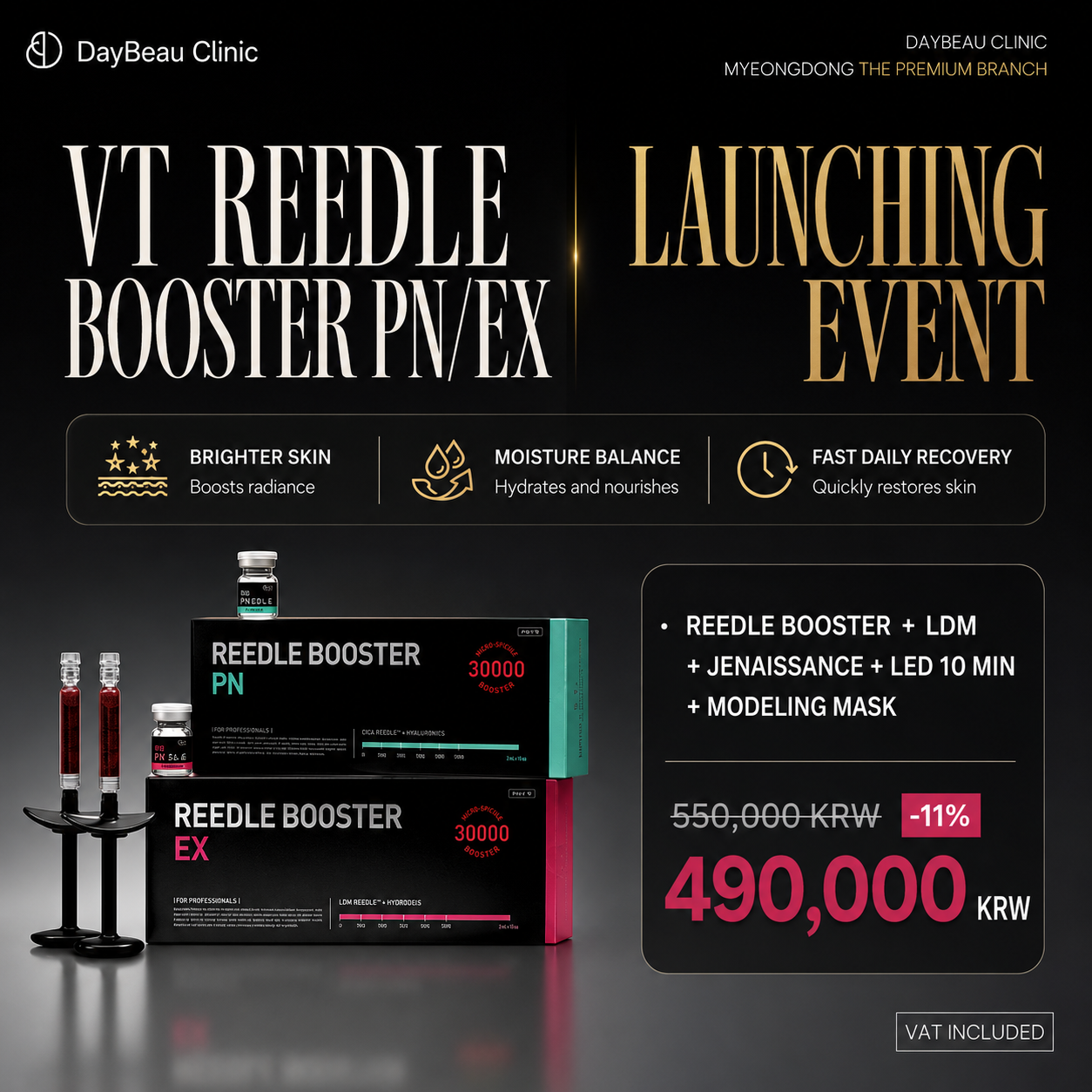
RF microneedling combines microneedle penetration with radiofrequency energy to stimulate collagen production deep within the skin. Tiny needles create controlled microchannels while delivering heat energy into the dermis.
This dual action encourages skin remodeling, tightening, and texture improvement over time while minimizing damage to the surface layer of the skin.
Why Patients Choose RF Microneedling
✔ Improves skin texture and pores
✔ Stimulates collagen production
✔ Can reduce acne scars and fine lines
✔ Enhances overall skin firmness
✔ Suitable for multiple skin concerns
Because it targets the dermis with controlled heat and micro-injury, RF microneedling is often chosen by patients looking to improve both skin quality and mild skin laxity at the same time.
What Is Ultherapy?
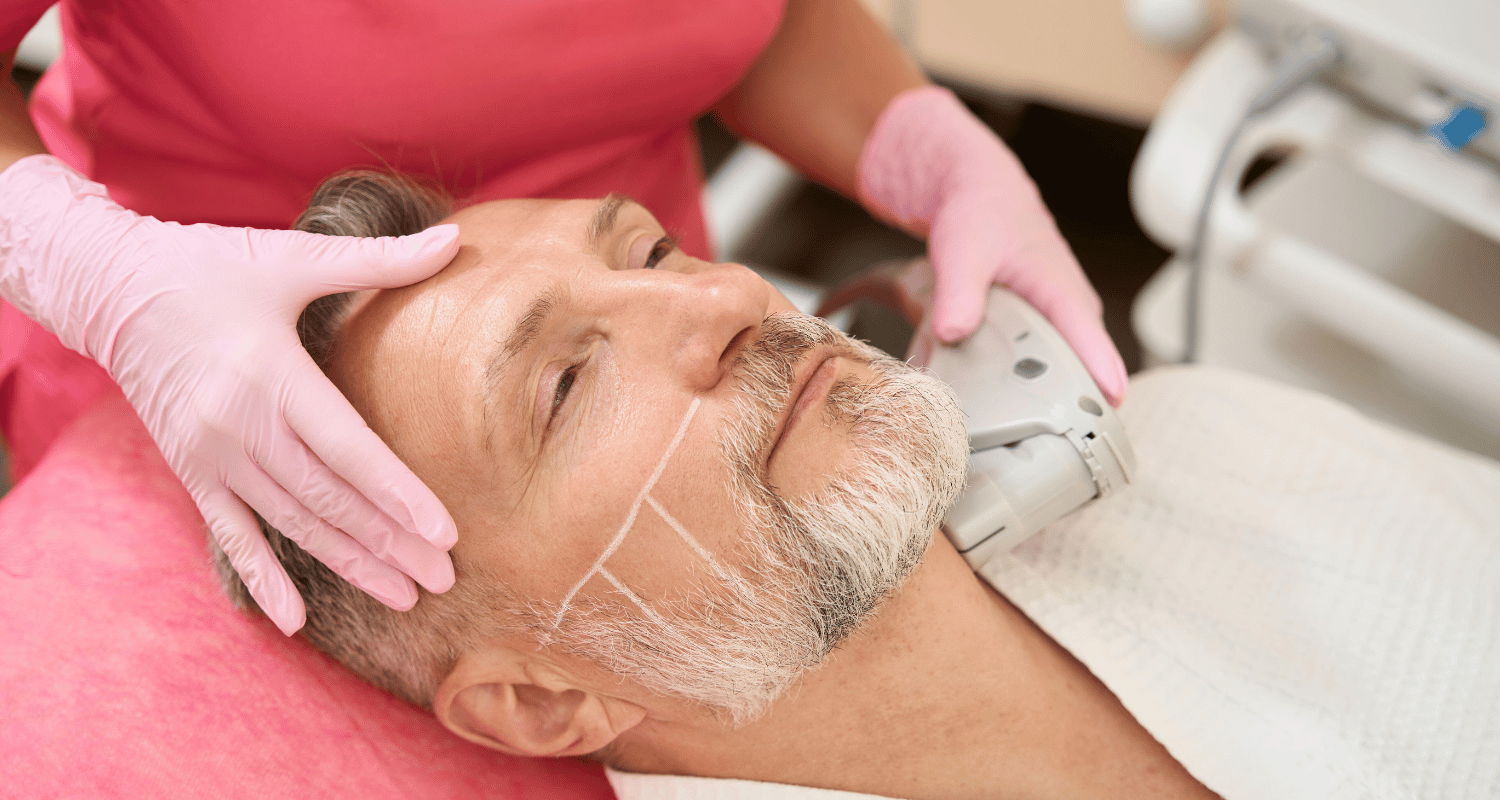
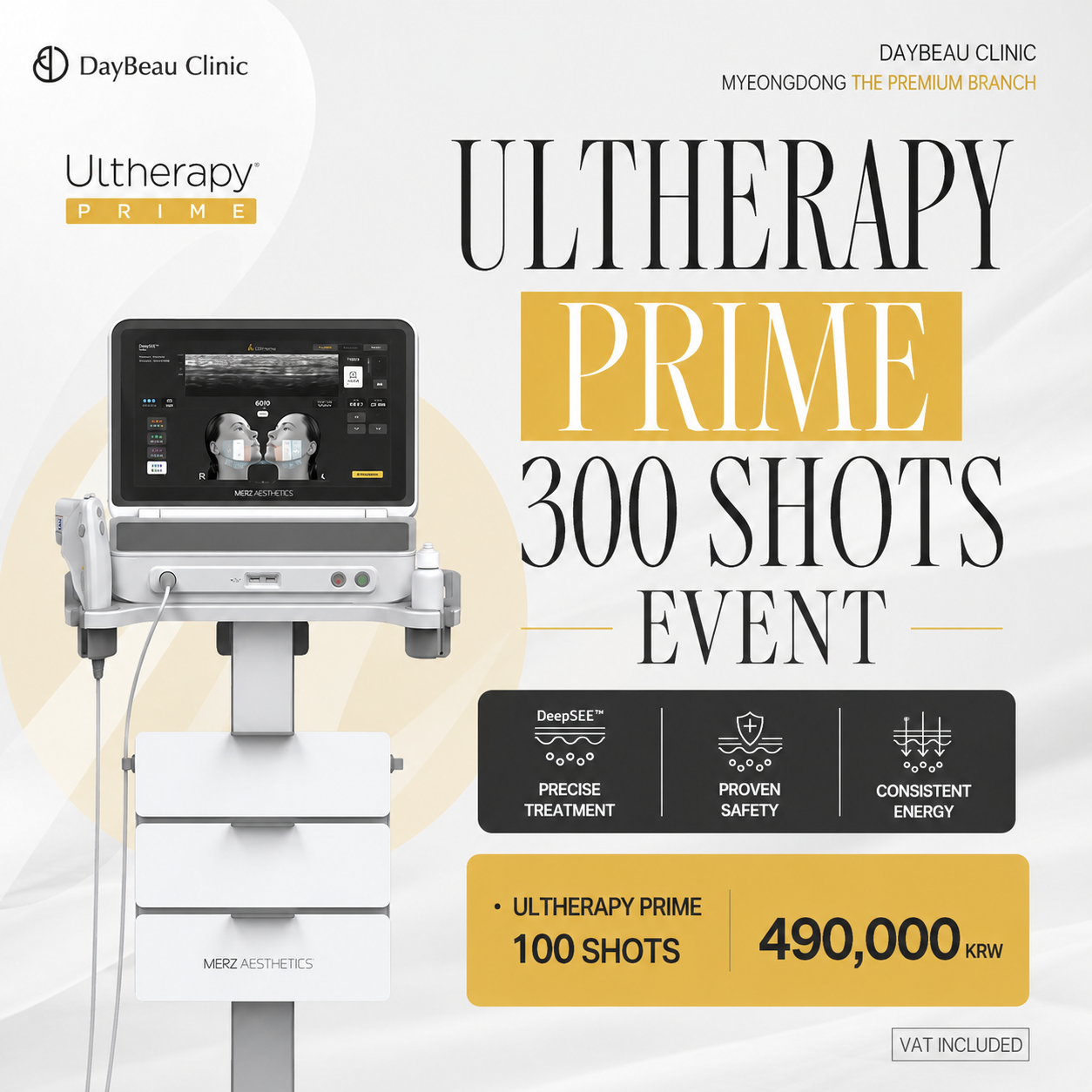
Ultherapy is a non-invasive skin lifting treatment that uses focused ultrasound energy to stimulate collagen production in deeper structural layers of the skin.
Unlike RF microneedling, which works within the dermis, Ultherapy reaches the SMAS layer—the same layer targeted during surgical facelifts—without the need for needles or incisions.
Why Patients Choose Ultherapy
✔ Non-invasive lifting treatment
✔ Targets deeper structural layers of the skin
✔ No needles or surface injury
✔ Effective for lifting sagging areas
✔ Long-established technology
Ultherapy is commonly selected by patients seeking a lifting effect for areas such as the jawline, cheeks, or neck without undergoing surgery.
Key Differences Between RF Microneedling and Ultherapy
The primary difference between these treatments lies in the technology used and the depth of tissue they target.
- RF microneedling uses insulated microneedles combined with radiofrequency energy to deliver controlled heat within the dermis. This process stimulates collagen while improving surface texture, pores, and mild laxity.
- Ultherapy uses focused ultrasound energy that bypasses the skin surface and delivers heat to deeper structural layers, including the SMAS layer. This deeper targeting helps create a lifting and tightening effect rather than improving skin texture.
In general, RF microneedling focuses more on skin quality and dermal remodeling, while Ultherapy is designed primarily for deeper lifting and structural tightening.
Downtime Comparison
Both treatments are considered minimally invasive, but their recovery experiences can differ.
- With RF microneedling, most patients experience:
- Redness lasting 1–2 days
- Mild swelling
- Temporary skin sensitivity
- Light pinpoint marks from the needles
- With Ultherapy, patients may experience:
- Mild redness for a few hours
- Temporary swelling
- Occasional tenderness or tingling
- No visible surface wounds
Because RF microneedling involves needle penetration, it typically has slightly more visible short-term redness compared to Ultherapy.
Which Is Better for Skin Tightening?
Both treatments stimulate collagen production, but they approach tightening in different ways.
RF microneedling improves dermal thickness and skin quality, which can gradually make the skin appear firmer and smoother. This is especially beneficial for patients with enlarged pores, acne scars, or uneven skin texture.
Ultherapy focuses more on lifting sagging tissue by stimulating deeper collagen remodeling. For patients with mild to moderate skin laxity around the jawline or neck, Ultherapy may provide more noticeable lifting.
Ideal for Travelers Visiting Seoul
Both RF microneedling and Ultherapy are commonly chosen by international visitors seeking non-surgical skin tightening treatments.
Most patients experience:
- Short treatment times
- Minimal interruption to daily activities
- No bandages or surgical wounds
- Treatments that can fit within short travel schedules
For travelers staying only a few days, doctors often recommend conservative treatment settings to minimize temporary redness or swelling.
Who Is a Good Candidate for RF Microneedling?
- Patients with enlarged pores
- Acne scars or uneven skin texture
- Early signs of skin laxity
- Fine lines and mild wrinkles
- Those wanting overall skin quality improvement
Who Is a Good Candidate for Ultherapy?
- Mild to moderate facial sagging
- Jawline or neck laxity
- Patients seeking lifting without surgery
- Individuals preferring needle-free treatments
- Patients focused on structural tightening
Expected Results Timeline
- Mild tightening may begin within a few weeks
- Collagen stimulation continues for 2–3 months
- More noticeable improvement appears gradually
- Maintenance treatments may be recommended depending on skin aging and lifestyle
Final Takeaway
RF microneedling and Ultherapy in Korea are both popular non-surgical treatments for improving skin firmness and stimulating collagen production.
RF microneedling focuses on improving skin texture, pores, and dermal remodeling, while Ultherapy targets deeper structural layers to create a lifting effect.
The best option depends on individual skin concerns, whether the goal is overall skin quality improvement or deeper tissue lifting. In Seoul, both treatments are commonly used to achieve natural-looking tightening results with minimal disruption to daily activities. ✨