RF Microneedling vs Subcision in Korea
For patients visiting Seoul to improve acne scars, two commonly recommended procedures are RF microneedling and subcision. Both treatments aim to improve depressed acne scars, but they work through very different mechanisms.
RF microneedling stimulates collagen remodeling within the skin using tiny needles combined with radiofrequency energy. Subcision, on the other hand, physically releases fibrous scar tissue beneath the skin that pulls scars downward. These procedures are widely used in Korean dermatology clinics and are often combined for optimal acne scar improvement.
What Is RF Microneedling?
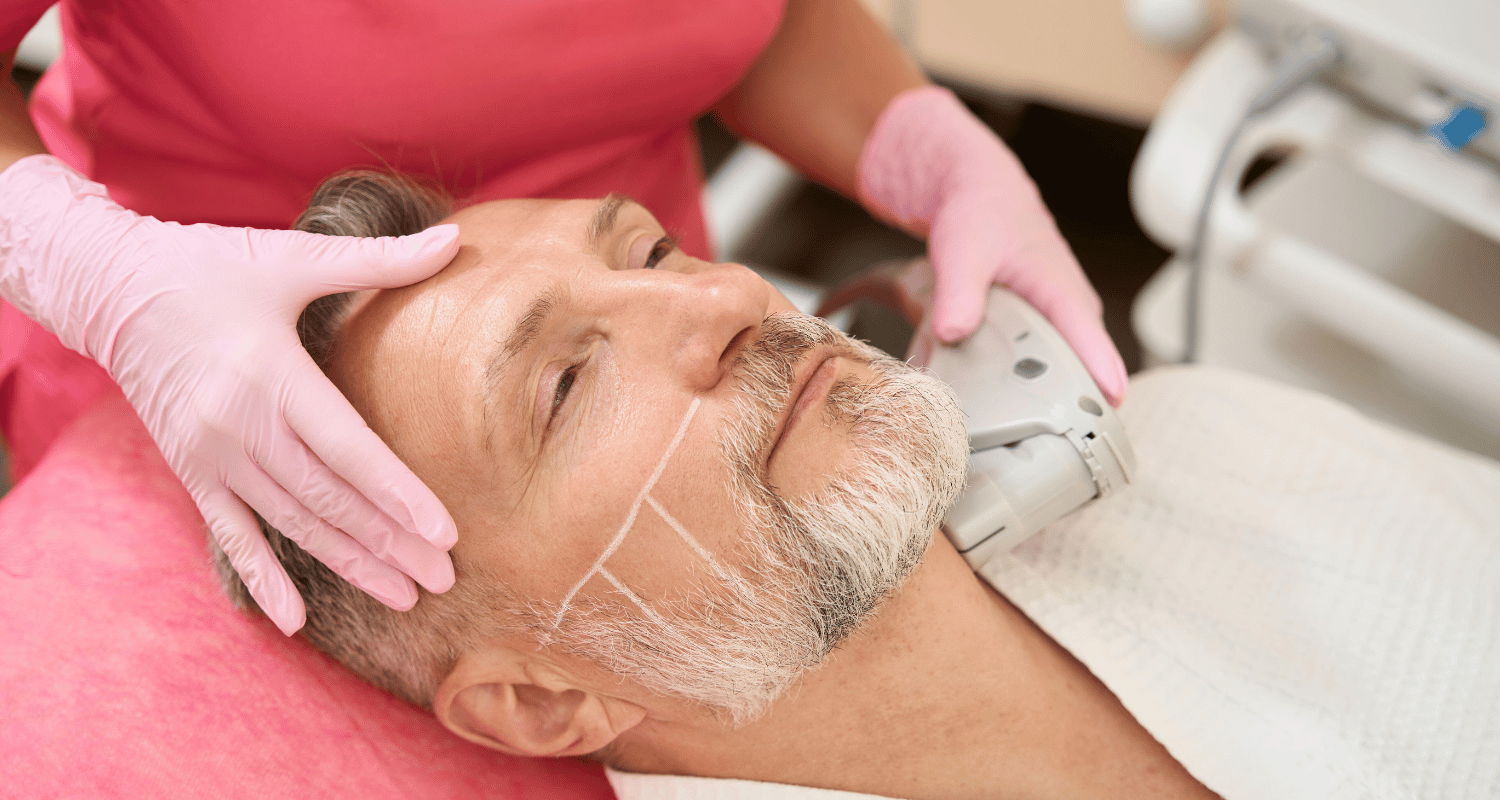
RF microneedling is an advanced skin treatment that combines traditional microneedling with radiofrequency energy. Tiny needles penetrate the skin to controlled depths while delivering RF energy directly into the dermis, stimulating collagen production and tissue remodeling.
This dual action helps improve acne scars, enlarged pores, and overall skin texture. Because the energy is delivered beneath the surface, the treatment can target deeper layers of skin while leaving most of the outer layer intact.
Why Patients Choose RF Microneedling
✔ Stimulates collagen production within the dermis
✔ Improves mild to moderate acne scars
✔ Helps reduce enlarged pores and uneven skin texture
✔ Tightens skin while improving scar depth
✔ Minimal downtime compared with more aggressive resurfacing
Many patients choose RF microneedling when they want gradual scar improvement with relatively short recovery time.
What Is Subcision?
Subcision is a minimally invasive procedure designed to treat depressed acne scars by releasing the fibrous bands that pull the skin downward. During the procedure, a specialized needle is inserted beneath the skin to break these fibrous attachments.
Once the scar tissue is released, the skin surface can lift upward and new collagen can form underneath the treated area. Subcision is particularly effective for rolling scars and tethered scars that cannot be improved by surface treatments alone.
Why Patients Choose Subcision
✔ Releases scar tissue that pulls the skin downward
✔ Highly effective for rolling and tethered scars
✔ Improves deeper structural acne scars
✔ Often produces noticeable lifting of depressed scars
✔ Can be combined with fillers, lasers, or RF treatments
Subcision is often recommended when scars are structurally attached beneath the skin.
Key Differences Between RF Microneedling and Subcision
The main difference lies in how each treatment improves acne scars.
- RF microneedling improves scars by stimulating collagen production and remodeling skin tissue through controlled micro-injuries and heat energy.
- Subcision improves scars by mechanically cutting the fibrous bands that tether the scar to deeper tissue, allowing the skin to rise and smooth out.
In general, RF microneedling focuses on collagen stimulation and skin texture improvement, while subcision focuses on structural scar release.
Downtime Comparison
Both treatments are minimally invasive but involve slightly different recovery experiences.
- With RF microneedling, patients may experience:
- Mild redness or swelling
- Sensitivity for about 1–2 days
- Gradual improvement after several sessions
- With subcision, patients may experience:
- Bruising or swelling for several days
- Tenderness in treated areas
- Possible bruising lasting up to one week or longer in some cases
Because subcision works beneath the skin, bruising is more common compared with RF microneedling.
Which Is Better for Acne Scars?
The most appropriate treatment depends on the structure of the acne scars.
RF microneedling is often recommended for:
- Mild to moderate acne scars
- Enlarged pores and uneven texture
- Patients seeking gradual collagen stimulation
Subcision is typically recommended for:
- Rolling acne scars
- Tethered scars that pull the skin downward
- Deeper structural scars that do not respond well to lasers or microneedling alone
In many Seoul dermatology clinics, specialists combine treatments such as:
- Subcision to release deep scar attachments
- RF microneedling to stimulate collagen remodeling
- Fractional lasers or fillers
This combination approach can address both structural scar depth and surface texture.
Ideal for Travelers Visiting Seoul
Both RF microneedling and subcision are widely available in Seoul’s dermatology clinics and are commonly included in acne scar treatment programs.
Many international patients choose these procedures because:
- Sessions are relatively short
- Clinics offer advanced acne scar treatment combinations
- Minimal surgical recovery is required
- Multiple procedures can be planned within a short visit
Combination scar programs are especially common in Korea’s dermatology clinics.
Who Is a Good Candidate for RF Microneedling?
- Patients with mild to moderate acne scars
- Individuals with enlarged pores and uneven texture
- Those seeking collagen stimulation and skin tightening
- Patients preferring minimal downtime procedures
- Individuals undergoing multi-session skin rejuvenation treatments
Who Is a Good Candidate for Subcision?
- Patients with rolling or tethered acne scars
- Individuals with depressed scars pulled downward
- Patients who have not responded to lasers alone
- Those seeking structural scar improvement
- Individuals undergoing comprehensive acne scar programs
Expected Results Timeline
- RF microneedling typically requires 3–6 sessions for noticeable improvement
- Subcision treatments are often performed 2–4 times depending on scar severity
- Collagen remodeling continues for several months after treatment
- Combination therapies often produce more noticeable results over time
Final Takeaway
RF microneedling and subcision in Korea offer two different strategies for improving acne scars.
RF microneedling works by stimulating collagen and improving overall skin texture, making it suitable for mild to moderate scarring. Subcision targets the structural cause of depressed scars by releasing the fibrous bands beneath the skin.
Because acne scars often involve both surface texture and deeper structural issues, many Korean dermatology clinics combine subcision with RF microneedling to achieve smoother, more even skin over time. ✨