RF Microneedling vs Fractional Laser in Korea
For visitors coming to Seoul for skin rejuvenation treatments, RF microneedling and fractional laser are two widely performed procedures. Both treatments aim to improve skin texture, acne scars, pores, and overall skin quality by stimulating collagen production.
Although they share similar goals, the technologies behind them are quite different. RF microneedling delivers radiofrequency energy through tiny needles placed into the skin, while fractional lasers use concentrated light energy to create microscopic treatment zones that trigger skin renewal. Understanding these differences helps patients choose the most suitable option for their skin concerns.
What Is RF Microneedling?
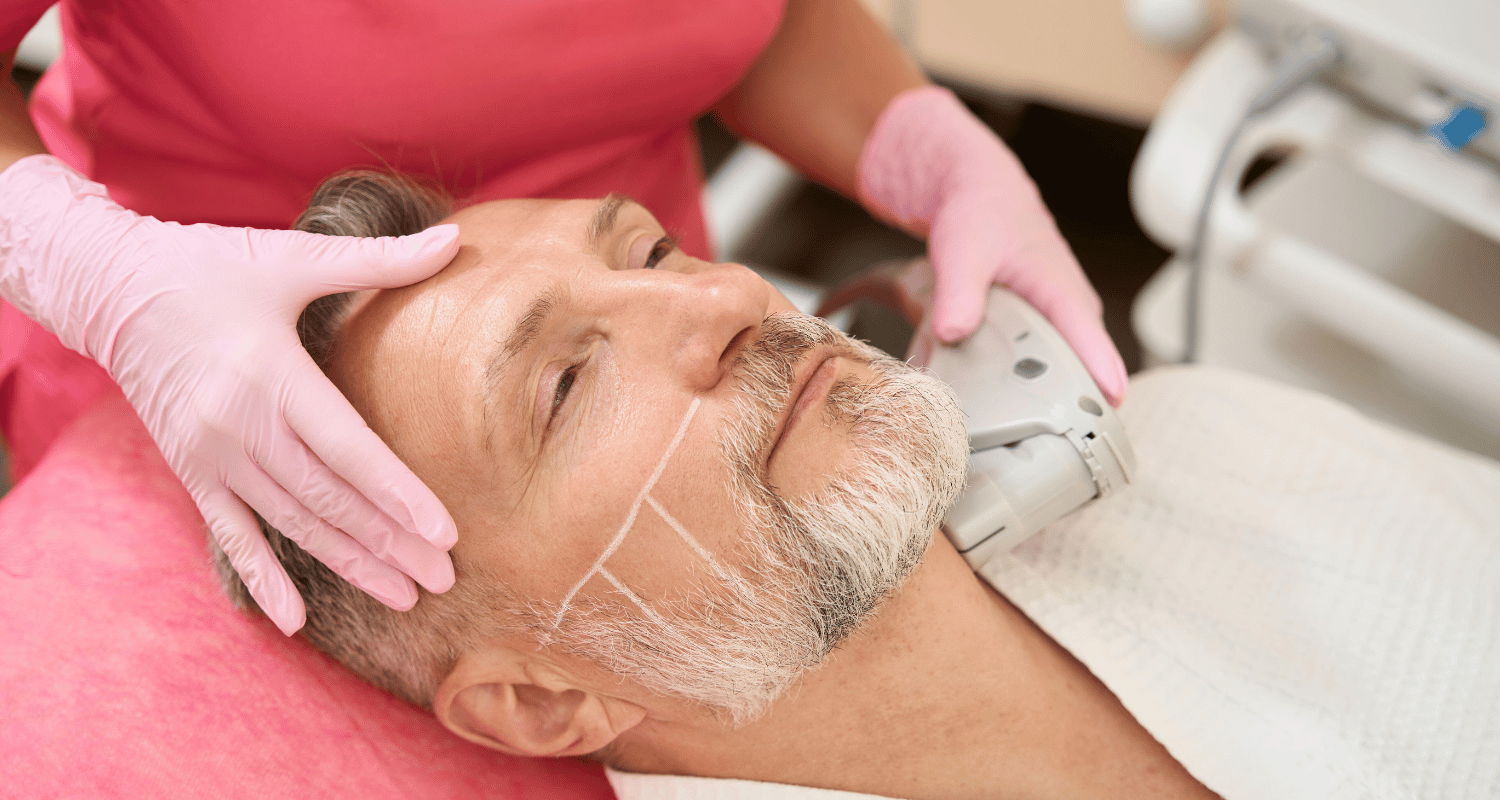
RF microneedling combines traditional microneedling with radiofrequency energy. During treatment, fine needles penetrate the skin at controlled depths while delivering RF heat into the dermis.
This process creates micro-injuries that stimulate collagen remodeling and skin tightening while leaving much of the skin surface intact. Because the energy is delivered directly into the deeper layers, RF microneedling focuses mainly on dermal remodeling rather than surface resurfacing.
Why Patients Choose RF Microneedling
✔ Stimulates collagen production in deeper skin layers
✔ Helps improve acne scars and enlarged pores
✔ Can provide mild skin tightening effects
✔ Minimal surface damage compared with some lasers
✔ Generally shorter recovery time
RF microneedling is often selected by patients seeking gradual skin improvement with relatively limited downtime.
What Is Fractional Laser?
Fractional laser treatments use focused laser energy to create microscopic columns of controlled injury in the skin. These micro-treatment zones stimulate the body’s natural healing response and encourage collagen production while leaving surrounding tissue intact.
Fractional lasers may be ablative or non-ablative. Ablative lasers remove tiny portions of the outer skin layer for stronger resurfacing, while non-ablative lasers stimulate collagen beneath the surface with less downtime.
Why Patients Choose Fractional Laser
✔ Improves skin texture and surface irregularities
✔ Effective for acne scars and fine lines
✔ Can treat pigmentation and sun damage
✔ Provides visible resurfacing effects
✔ Often produces noticeable results after fewer sessions
Because fractional lasers directly resurface portions of the skin, they are commonly chosen for patients with more visible texture concerns.
Key Differences Between RF Microneedling and Fractional Laser
The main difference lies in how the treatments deliver energy and which skin layers they target.
- RF microneedling delivers radiofrequency heat through needles placed into the dermis. This approach focuses on deeper collagen remodeling while minimizing disruption to the skin surface.
- Fractional lasers use light energy to create microscopic columns of thermal injury that pass through the epidermis into deeper layers. This results in surface resurfacing along with collagen stimulation.
In general, RF microneedling emphasizes deeper dermal tightening and gradual remodeling, while fractional lasers focus more on skin resurfacing and texture correction.
Downtime Comparison
Recovery experiences can differ between the two treatments depending on treatment intensity.
- With RF microneedling, most patients experience:
- Mild redness and swelling for a few days
- Minimal surface peeling
- Quick return to normal activities
- Gradual improvement over several weeks
- With fractional laser treatments, patients may experience:
- Redness and swelling for several days
- Peeling or flaking of the skin
- Temporary sensitivity during healing
- Longer recovery if ablative lasers are used
Fractional lasers typically involve more visible downtime because they affect the skin surface more directly.
Which Is Better for Acne Scars and Texture?
Both treatments can improve acne scars and skin texture, but their strengths differ.
RF microneedling is often preferred for deeper dermal remodeling and mild skin tightening. It may be suitable for patients seeking gradual improvement with shorter recovery time.
Fractional lasers are commonly used for more significant surface irregularities, deeper acne scars, or sun damage because they actively resurface portions of the skin.
In many Korean dermatology clinics, doctors may combine treatments depending on the patient’s condition.
Common combination strategies include:
- RF microneedling for collagen remodeling
- Fractional laser for surface texture improvement
- Skin boosters or hydration treatments
- Targeted scar treatments
This combined approach helps address both deeper skin structure and surface texture.
Ideal for Travelers Visiting Seoul
Both RF microneedling and fractional laser treatments are popular among international patients visiting Korea for aesthetic procedures.
Most patients experience:
- No surgical incisions
- No stitches or bandages required
- Temporary redness that gradually improves
- Ability to resume normal daily activities after recovery
However, fractional laser treatments may require a slightly longer recovery period before returning to full social activities.
Who Is a Good Candidate for RF Microneedling?
- Enlarged pores
- Mild to moderate acne scars
- Early skin laxity
- Patients seeking collagen stimulation
- Individuals preferring shorter downtime
Who Is a Good Candidate for Fractional Laser?
- Moderate to severe acne scars
- Rough skin texture
- Sun damage and fine lines
- Patients seeking more noticeable resurfacing
- Individuals comfortable with longer recovery time
Expected Results Timeline
- Mild improvement may appear after the first treatment
- Noticeable texture improvement after several sessions
- Collagen remodeling continues for weeks to months
- Maintenance treatments may help sustain results
Final Takeaway
RF microneedling and fractional laser in Korea are both widely used treatments for improving skin texture, scars, and overall skin quality.
RF microneedling focuses on delivering radiofrequency energy into the deeper skin layers to stimulate collagen and tighten the skin with relatively minimal surface disruption. Fractional lasers create microscopic treatment zones using laser energy to resurface the skin and improve texture and pigmentation.
The most suitable option depends on the type of skin concern, tolerance for downtime, and desired treatment intensity. With proper evaluation and personalized treatment planning, both approaches can help improve skin quality while fitting into a medical tourism schedule in Seoul. ✨