Non-Surgical Facelift vs Mini Facelift in Korea
For visitors traveling to Seoul for facial rejuvenation, lifting treatments range from non-surgical procedures to minimally invasive surgical options. Two commonly discussed approaches are non-surgical facelifts and mini facelifts.
Both aim to improve sagging skin and restore youthful facial contours, but they differ significantly in technique, recovery time, and longevity of results. Non-surgical facelifts use energy-based devices or injectables, while mini facelifts involve surgical lifting of facial tissues through small incisions.
What Is a Non-Surgical Facelift?
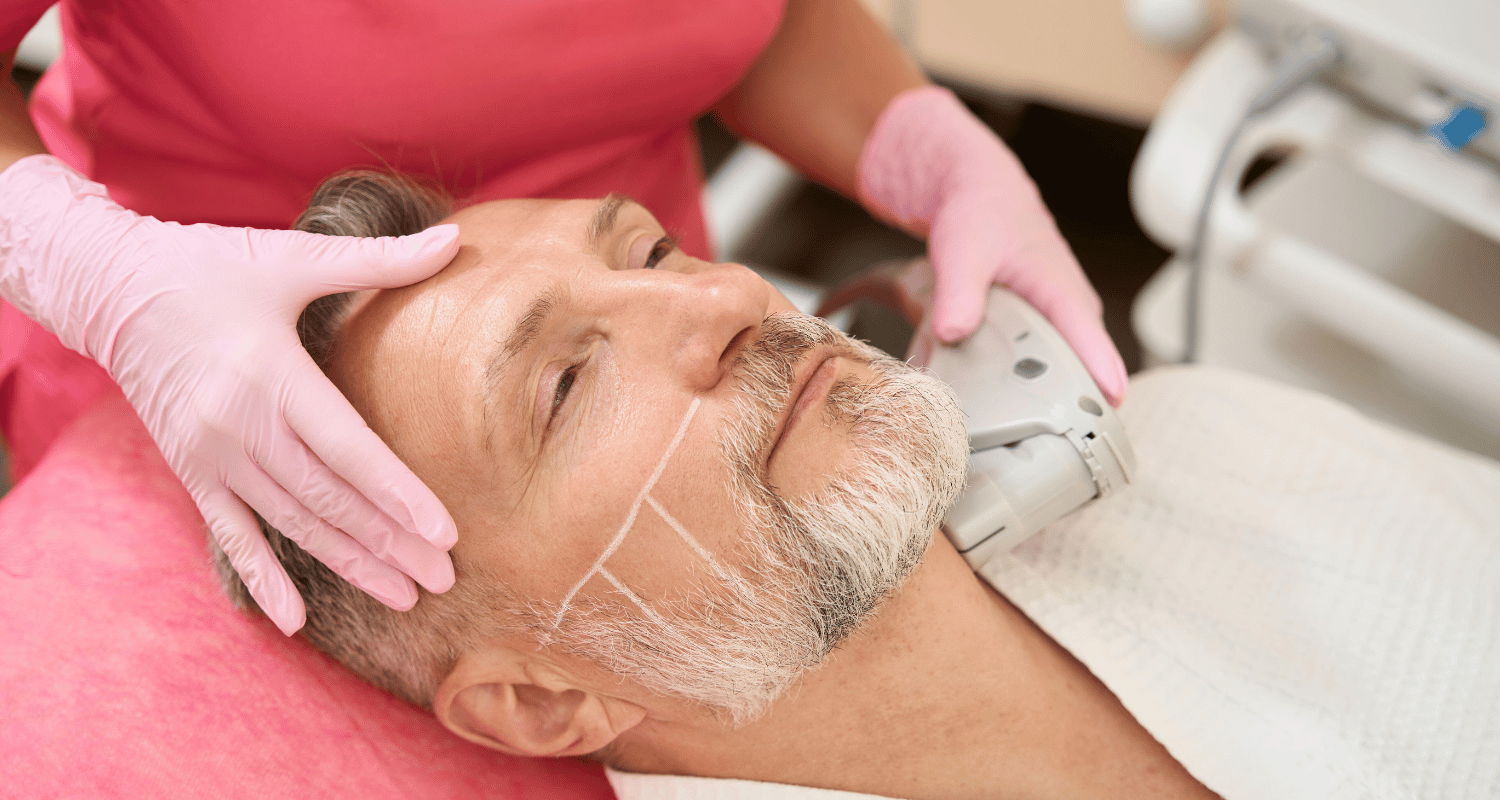
A non-surgical facelift refers to a group of minimally invasive treatments designed to tighten and lift the face without surgical incisions. These procedures stimulate collagen production, improve skin elasticity, and enhance facial contours using advanced technologies.
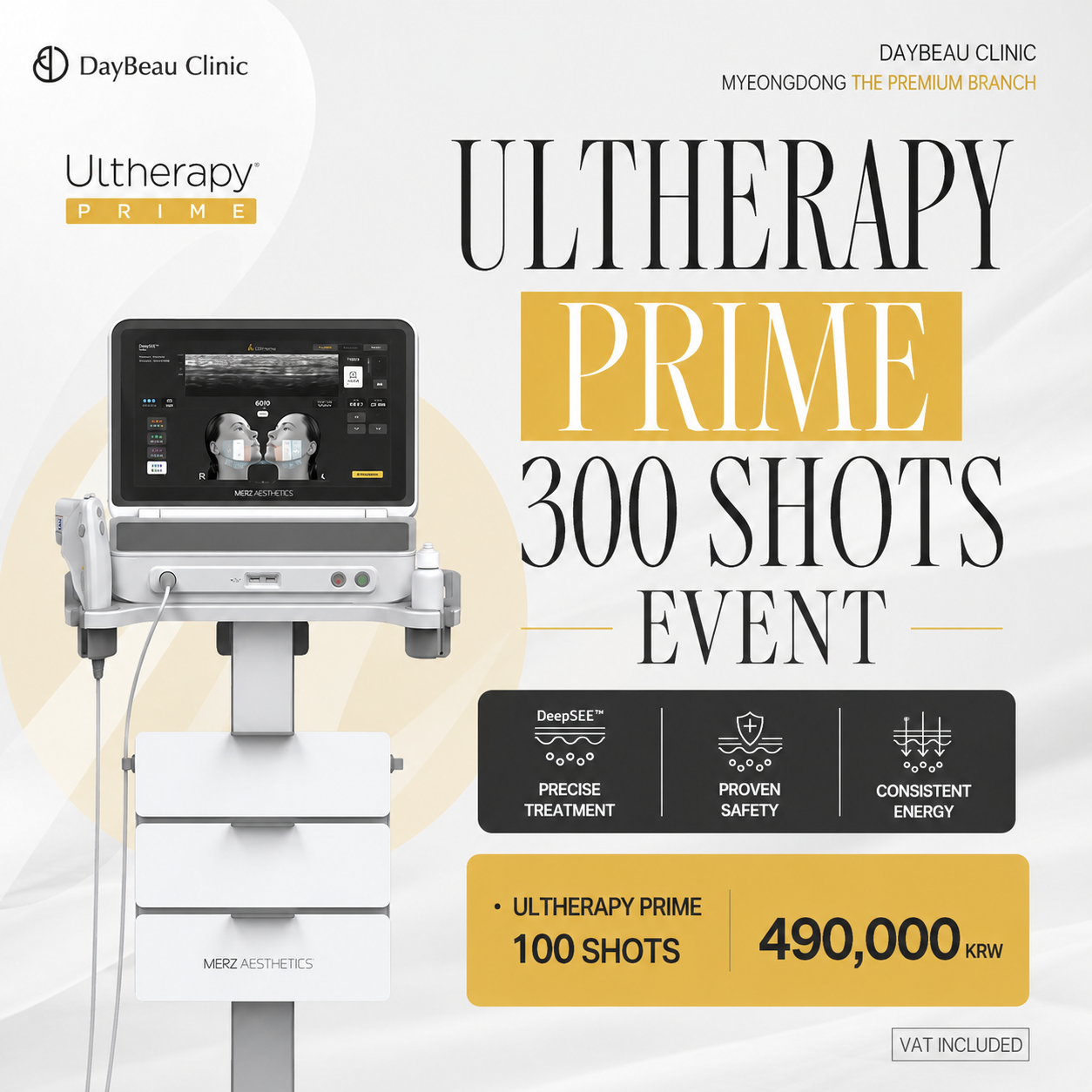
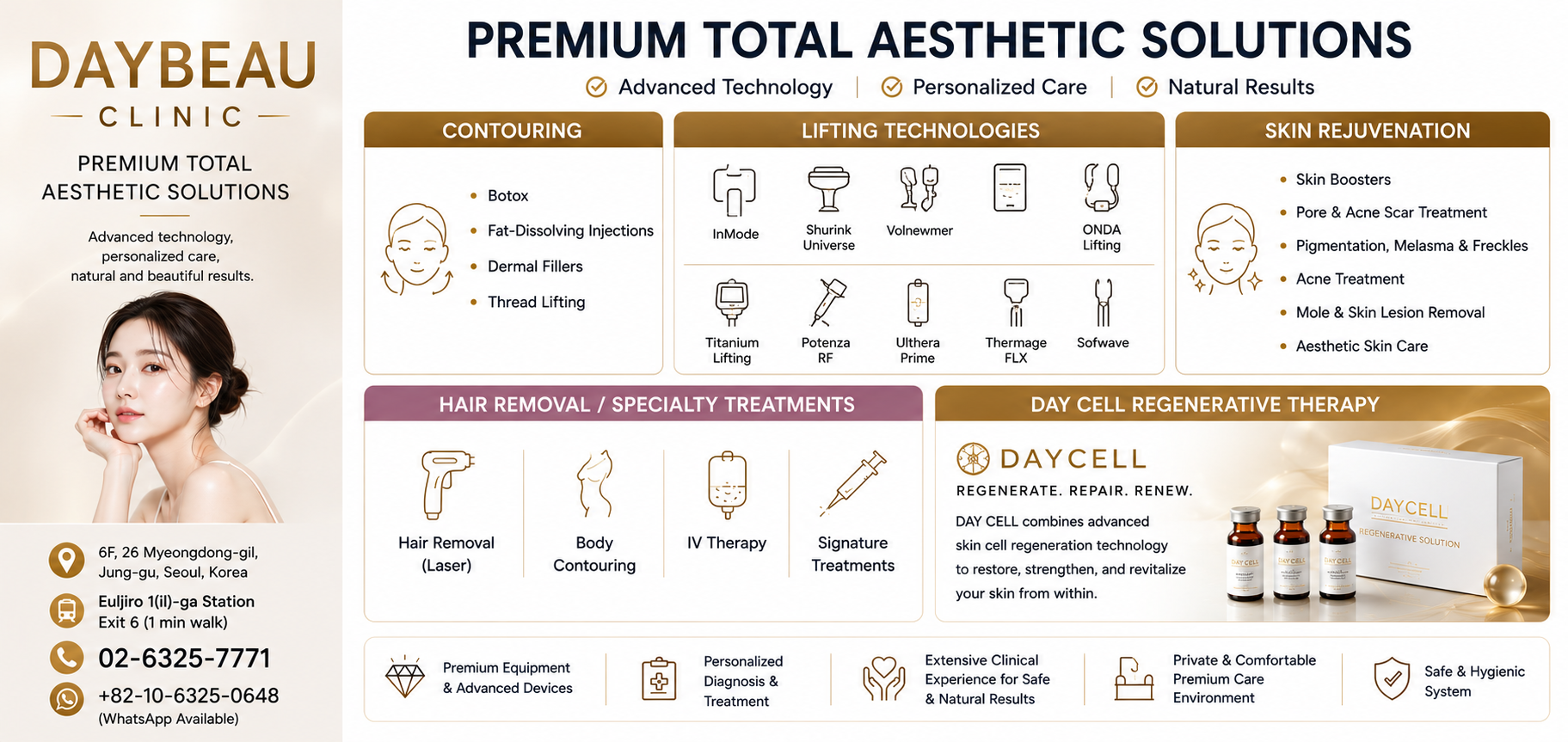
Common techniques used in Korea include ultrasound lifting, radiofrequency tightening, thread lifting, and injectable treatments that improve skin quality and facial volume.
Why Patients Choose Non-Surgical Facelifts
✔ No surgical incisions or stitches
✔ Minimal downtime and quick recovery
✔ Gradual, natural-looking skin tightening
✔ Can combine multiple treatments for customized results
✔ Suitable for early signs of aging
Because these treatments are minimally invasive, many patients choose them for maintenance or preventive anti-aging care.
What Is a Mini Facelift?
A mini facelift is a surgical procedure that lifts and tightens sagging skin through small incisions typically placed around the ear or hairline. During the procedure, surgeons reposition deeper facial tissues and remove excess skin to improve facial contours.
Compared with a full facelift, the mini facelift targets a smaller area, usually focusing on the lower face and jawline. This technique is designed to provide noticeable lifting while using shorter incisions and a shorter surgical time.
Why Patients Choose a Mini Facelift
✔ More noticeable lifting compared with non-surgical treatments
✔ Tightens loose skin and improves jawline definition
✔ Smaller incisions compared with traditional facelifts
✔ Longer-lasting results than non-surgical options
✔ Effective for moderate facial sagging
Many patients select mini facelifts when non-surgical treatments no longer provide sufficient lifting.
Key Differences Between Non-Surgical Facelift and Mini Facelift
The most important differences involve invasiveness, longevity of results, and recovery time.
- Non-surgical facelifts use technologies such as ultrasound, radiofrequency, threads, or injectables to stimulate collagen and tighten the skin without surgery. The improvement is typically subtle to moderate and may require periodic maintenance treatments.
- A mini facelift is a surgical procedure that physically lifts and repositions facial tissues while removing excess skin. Because it directly corrects structural sagging, the results are usually stronger and longer-lasting.
In simple terms, non-surgical treatments focus on collagen stimulation and gradual tightening, while mini facelifts provide structural lifting through surgical repositioning of tissue.
Downtime Comparison
Recovery time differs significantly between these two approaches.
- With non-surgical facelifts, most patients experience:
- Mild redness or swelling
- Temporary skin sensitivity
- Return to normal activities the same day
- With a mini facelift, patients may experience:
- Swelling and bruising for several days
- Sutures or incision care around the ear area
- Return to social activities after about 1–2 weeks
Surgical lifting procedures generally require more recovery time because they involve tissue repositioning and healing.
Which Option Provides Stronger Results?
The strength and longevity of results often depend on the severity of skin laxity.
Non-surgical facelifts typically provide mild to moderate improvement and are often used for early aging or preventive treatments. Results usually last around 12–24 months depending on the technology used.
Mini facelifts, on the other hand, can produce more noticeable lifting because they reposition deeper facial structures and remove excess skin. Surgical lifting results may last many years with proper maintenance.
Ideal for Travelers Visiting Seoul
Both procedures are available in Seoul’s aesthetic clinics, but their suitability for short trips may differ.
Most patients experience:
- Non-surgical facelift:
- No visible surgical wounds
- Same-day recovery
- Suitable for short medical tourism visits
- Mini facelift:
- Small surgical incisions
- Several days of swelling or bruising
- A slightly longer stay recommended for follow-up care
For travelers with limited time, non-surgical lifting treatments are often easier to schedule during a short visit.
Who Is a Good Candidate for a Non-Surgical Facelift?
- Patients with mild skin laxity
- Individuals seeking gradual anti-aging treatments
- Those wanting minimal downtime
- Patients not ready for surgical procedures
- Individuals interested in preventive lifting treatments
Who Is a Good Candidate for a Mini Facelift?
- Patients with moderate facial sagging
- Individuals seeking more noticeable lifting results
- Those with loose skin around the jawline or lower face
- Patients comfortable with surgical procedures
- Individuals looking for longer-lasting improvement
Expected Results Timeline
- Non-surgical treatments may show gradual improvement over several weeks
- Collagen stimulation continues for several months
- Mini facelift results are visible soon after swelling improves
- Surgical lifting results stabilize over several months as tissues heal
Maintenance treatments or additional procedures may be recommended depending on the degree of aging and skin condition.
Final Takeaway
Non-surgical facelifts and mini facelifts in Korea both aim to improve facial sagging and restore youthful contours, but they address different levels of aging.
Non-surgical facelifts use energy-based devices, threads, or injectables to gradually tighten the skin with minimal downtime, while mini facelifts involve surgical lifting of facial tissues for stronger and longer-lasting results.
The best option depends on the severity of skin laxity, desired level of correction, and willingness to undergo surgery. Many visitors to Seoul explore both approaches when planning personalized facial rejuvenation treatments. ✨