Laser Peeling vs Chemical Peeling in Korea
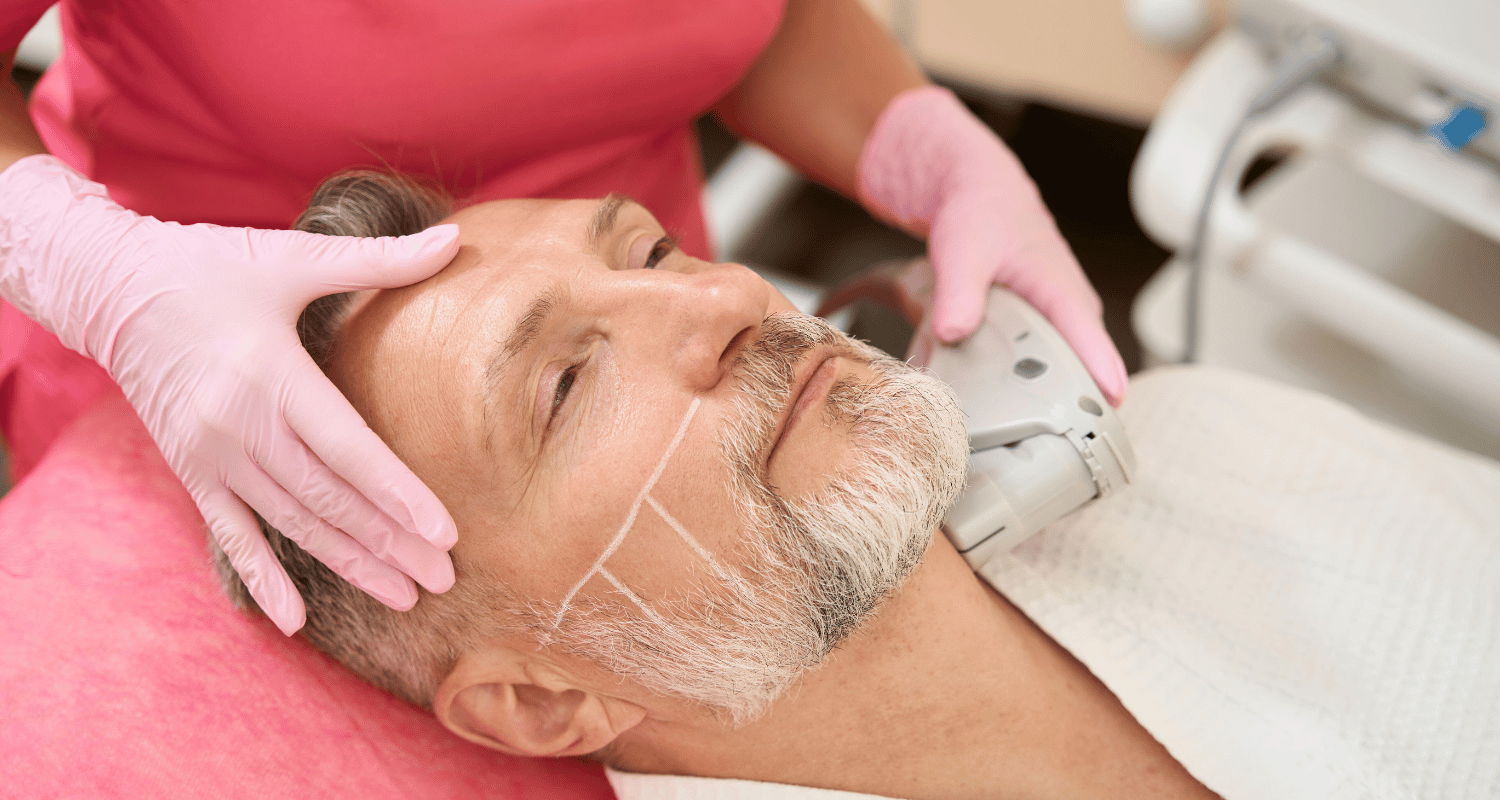
For patients visiting Seoul for skin resurfacing or brightening treatments, laser peeling and chemical peeling are two commonly discussed options. Both procedures aim to remove damaged skin cells and stimulate renewal, helping improve tone, texture, and early signs of aging.
Although the goal is similar, the methods differ significantly. Laser peeling uses focused light energy to resurface the skin and stimulate collagen production, while chemical peeling relies on acid-based solutions that exfoliate the outer layers of the skin.
Because of these differences, the treatments vary in intensity, recovery time, and the type of skin concerns they address.
What Is Laser Peeling?
Laser peeling refers to skin resurfacing treatments that use laser energy to remove or heat targeted layers of the skin. The process stimulates collagen production and encourages the growth of new skin cells.
Depending on the type of laser used, the treatment may either remove the outer skin layer (ablative lasers) or stimulate deeper skin layers without removing the surface (non-ablative lasers).
Laser peeling is commonly used to improve wrinkles, acne scars, sun damage, and uneven skin texture.
Why Patients Choose Laser Peeling
✔ Stimulates collagen production
✔ Effective for wrinkles and acne scars
✔ Can treat deeper skin concerns
✔ Often produces noticeable skin texture improvement
✔ Results may last longer compared with superficial treatments
What Is Chemical Peeling?
Chemical peeling is a treatment in which a chemical solution—often containing acids such as glycolic acid, salicylic acid, or TCA—is applied to the skin to exfoliate damaged surface layers.
The acid loosens the bonds between dead skin cells, allowing the outer layer to gradually peel away and reveal smoother, brighter skin underneath.
Chemical peels vary in strength, ranging from superficial peels that target the outermost layer to deeper peels that reach the dermis.
Why Patients Choose Chemical Peeling
✔ Effective for dullness and mild pigmentation
✔ Improves overall skin brightness
✔ Helps with acne and surface texture
✔ Usually lower intensity than laser resurfacing
✔ Can be adjusted with different peel strengths
Key Differences Between Laser Peeling and Chemical Peeling
The main difference lies in how each treatment resurfaces the skin.
- Laser peeling uses concentrated light energy to heat or remove layers of skin while stimulating collagen production. This allows it to address deeper concerns such as wrinkles, acne scars, and more significant texture irregularities.
- Chemical peeling uses acid solutions to exfoliate the skin’s outer layers. The treatment mainly targets surface-level concerns such as dullness, mild pigmentation, and uneven tone.
In general, laser peeling focuses more on deeper structural skin improvement, while chemical peeling provides surface exfoliation and skin brightening.
Downtime Comparison
Recovery experiences can vary depending on the intensity of each treatment.
- With laser peeling, patients may experience:
- Redness and swelling for several days
- Peeling similar to a mild sunburn
- Gradual skin renewal as collagen develops
- With chemical peeling, patients may experience:
- Mild redness or tightness
- Peeling or flaking for several days
- Faster recovery with superficial peels
Light chemical peels often involve minimal downtime, while deeper peels may require longer recovery.
Which Is Better for Skin Resurfacing?
Both treatments can improve skin appearance, but the best option depends on the depth of the concern.
Laser peeling is often preferred for:
- deeper wrinkles
- acne scars
- significant texture irregularities
Chemical peeling may be preferred for:
- dull skin
- mild pigmentation
- early signs of aging
Some dermatologists use both treatments as part of long-term skin improvement programs, combining surface exfoliation with deeper collagen stimulation.
Ideal for Travelers Visiting Seoul
Both laser peeling and chemical peeling are widely available in Korean dermatology clinics and are often compatible with short medical tourism visits.
Most patients experience:
- No surgical incisions
- No bandages required
- Temporary redness or mild peeling
- Gradual skin improvement over several weeks
Gentler treatment settings are often recommended for travelers who want minimal downtime during their stay.
Who Is a Good Candidate for Laser Peeling?
- Patients with wrinkles or acne scars
- Individuals seeking deeper skin resurfacing
- People wanting collagen stimulation
- Patients comfortable with slightly longer recovery time
Who Is a Good Candidate for Chemical Peeling?
- Patients with dull or uneven skin tone
- Individuals with mild pigmentation concerns
- People seeking gentle exfoliation treatments
- Patients preferring lower-intensity procedures
Expected Results Timeline
- Initial skin brightness may appear within several days
- Noticeable texture improvement after multiple sessions
- Collagen remodeling from laser treatments can continue for months
- Maintenance treatments help sustain long-term skin clarity
Final Takeaway
Laser peeling and chemical peeling are both widely used skin resurfacing treatments in Korea that help improve skin tone, texture, and early aging signs.
Laser peeling focuses on deeper collagen stimulation and structural skin improvement, while chemical peeling provides surface exfoliation and brightness through controlled acid treatments.
The most suitable option depends on the depth of skin concerns, desired recovery time, and the overall treatment goals for skin rejuvenation. ✨