Jawline Tightening with RF vs HIFU in Korea
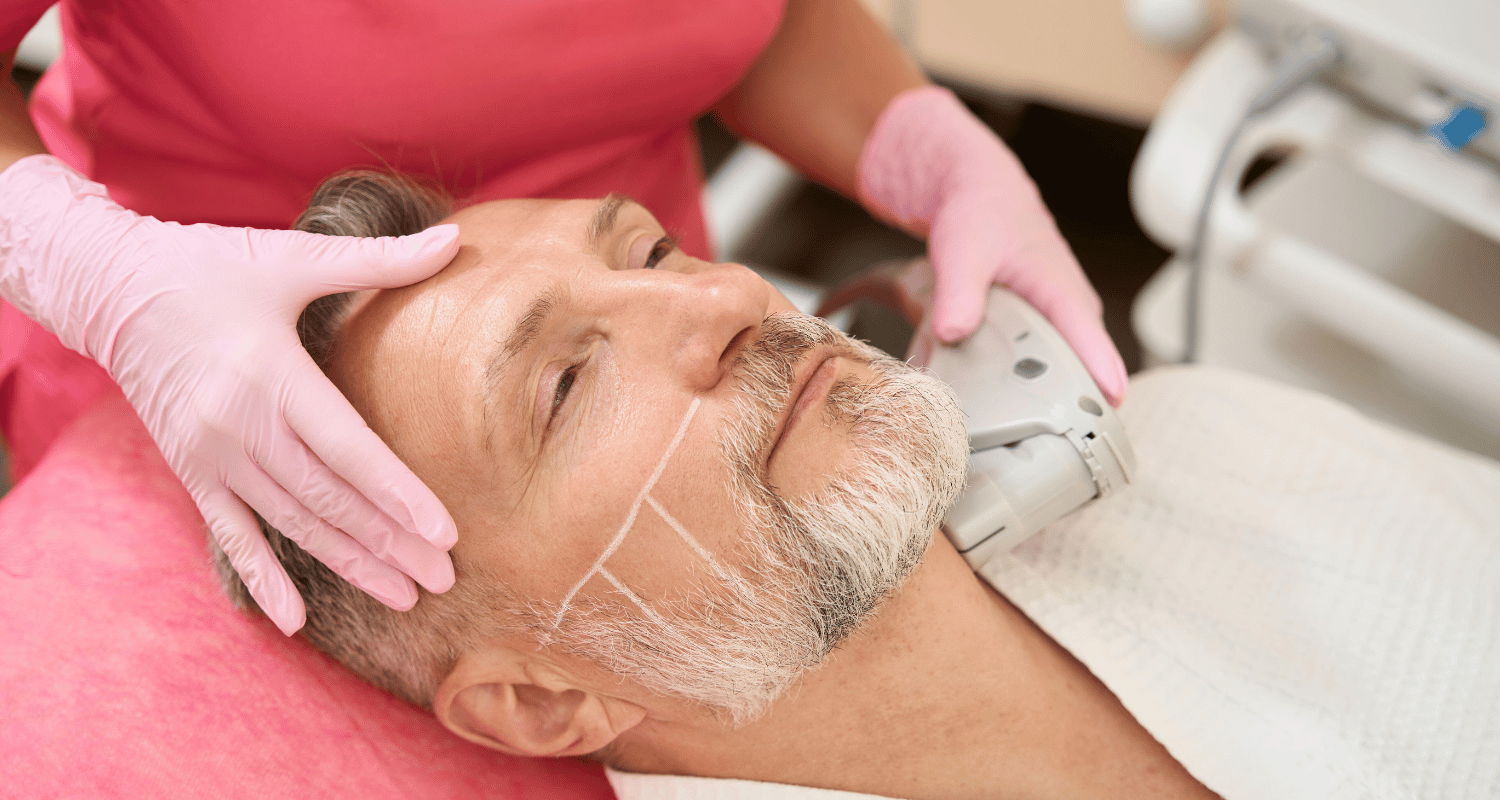
For visitors traveling to Seoul for non-surgical jawline tightening, two commonly recommended technologies are radiofrequency (RF) lifting and HIFU. Both treatments aim to improve skin firmness, stimulate collagen production, and create a more defined jawline without surgery.
Although they share similar goals, the technologies work at different depths of the skin. RF focuses on improving skin elasticity and dermal tightening, while HIFU targets deeper structural layers to create lifting and contouring effects.
What Is RF Jawline Tightening?
RF (radiofrequency) tightening uses controlled heat energy to warm the dermal layer of the skin. This heat stimulates collagen remodeling and causes existing collagen fibers to contract, gradually improving skin firmness and elasticity.
Many RF devices used in Korea—such as monopolar or microneedling RF systems—focus on improving skin quality while tightening mild laxity around the jawline.
Why Patients Choose RF Tightening
✔ Improves skin elasticity and firmness
✔ Smooths fine lines and mild laxity
✔ Enhances overall skin texture
✔ Comfortable treatment experience
✔ Suitable for maintenance anti-aging care
Because RF primarily targets the dermis, it is commonly chosen by patients who want gradual tightening and improved skin quality rather than strong lifting.
What Is HIFU for Jawline Tightening?
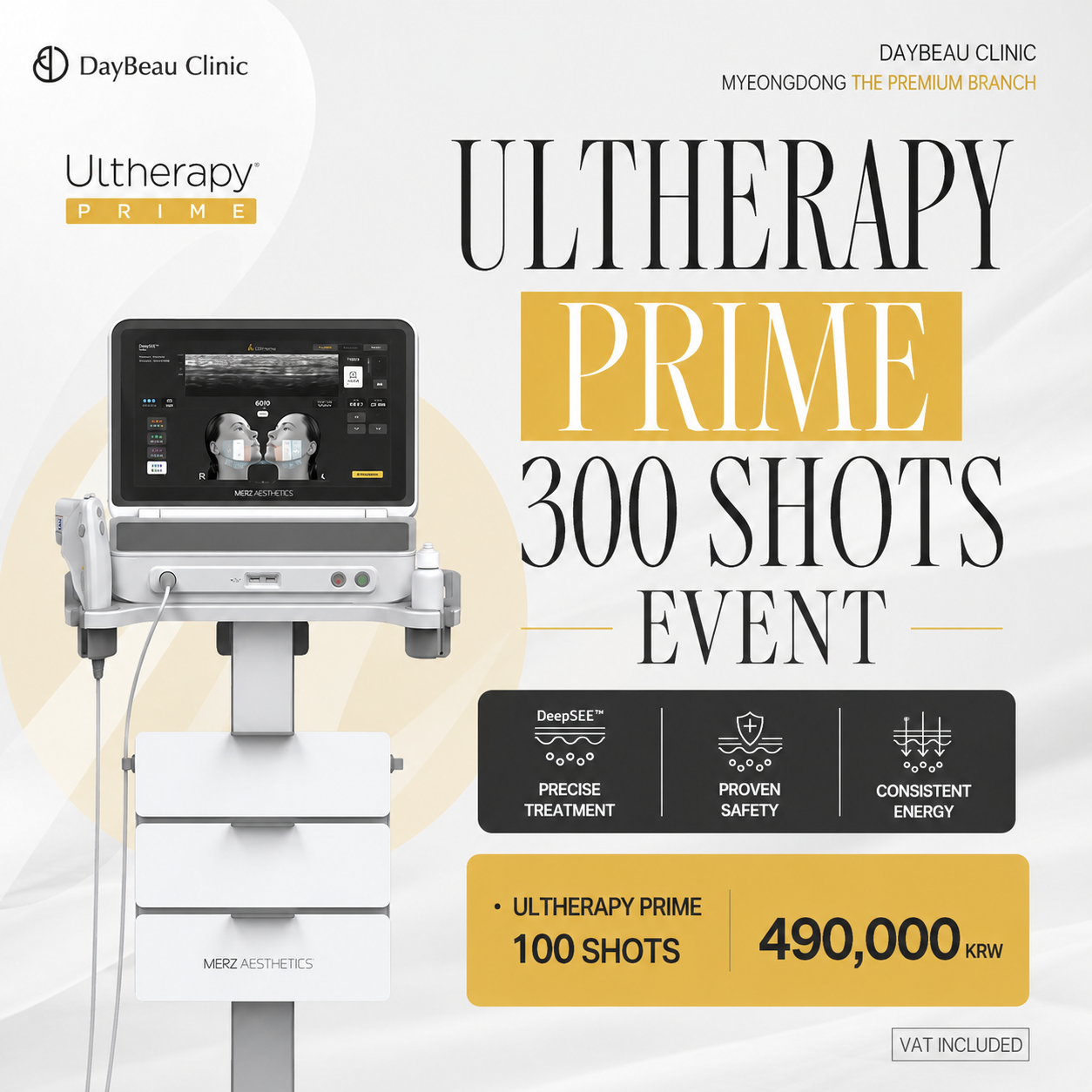
HIFU (High-Intensity Focused Ultrasound) is a non-invasive treatment that delivers focused ultrasound energy deep into the skin layers. The energy can reach the SMAS layer, which is the same structural layer addressed in surgical facelifts.
This deep targeting stimulates collagen production and tissue contraction, gradually lifting sagging areas and improving jawline definition.
Why Patients Choose HIFU for Jawline Lifting
✔ Targets deeper structural layers of the skin
✔ Improves jawline contour and definition
✔ Stimulates deep collagen remodeling
✔ Often requires fewer sessions
✔ Popular for V-line facial contouring in Korea
Because it works deeper than RF treatments, HIFU is often selected by patients with noticeable jawline sagging or early jowls.
Key Differences Between RF and HIFU for Jawline Tightening
The most important difference between these treatments is the depth of energy delivery and the type of results they produce.
- RF tightening uses radiofrequency energy to heat the dermis (approximately 1–3 mm depth), stimulating collagen and improving skin firmness, elasticity, and texture.
- HIFU uses focused ultrasound energy that can penetrate deeper layers of the skin, reaching around 3–4.5 mm and targeting structural tissue responsible for facial sagging.
In simple terms, RF mainly improves skin firmness and texture, while HIFU focuses on deeper lifting and contour definition.
Downtime Comparison
Both treatments are considered non-surgical procedures with minimal downtime.
- With RF jawline tightening, most patients experience:
- Mild redness for several hours
- Warm sensation during treatment
- Little to no visible recovery time
- Immediate return to daily activities
- With HIFU treatments, patients may experience:
- Mild swelling or redness for several hours
- Temporary tenderness beneath the skin
- Tingling sensation in treated areas
- No visible wounds or bandages
RF treatments are generally described as more comfortable, while HIFU may feel stronger because it targets deeper tissue layers.
Which Is Better for Jawline Definition?
The most suitable treatment depends on the underlying cause of jawline aging.
RF tightening is typically preferred for mild skin laxity, reduced elasticity, or early signs of aging where improving skin firmness is the main goal.
HIFU may be more effective when the jawline appears less defined due to deeper tissue sagging or early jowls, as it targets structural layers responsible for lifting.
In many Korean aesthetic clinics, doctors sometimes combine RF and HIFU treatments to address multiple skin layers—RF for dermal firmness and HIFU for deeper lifting.
Ideal for Travelers Visiting Seoul
Both RF tightening and HIFU treatments are commonly performed in Seoul and are popular among international patients seeking non-surgical jawline contouring.
Most patients experience:
- Short treatment sessions
- Minimal visible recovery signs
- No surgical incisions
- Treatments that can fit within short travel schedules
These characteristics make both procedures suitable for medical tourism visits.
Who Is a Good Candidate for RF Jawline Tightening?
- Mild skin laxity around the jawline
- Reduced skin elasticity
- Early signs of aging
- Patients seeking gradual tightening
- Individuals interested in maintenance treatments
Who Is a Good Candidate for HIFU Jawline Tightening?
- Mild to moderate jawline sagging
- Early jowls or soft facial contours
- Patients seeking lifting without surgery
- Individuals wanting stronger contour improvement
- Patients looking for longer-lasting tightening
Expected Results Timeline
- RF tightening may provide subtle firming shortly after treatment
- Collagen stimulation continues over several weeks
- HIFU lifting gradually develops over 2–3 months
- Results may last several months to over a year depending on the treatment type and maintenance schedule
Final Takeaway
Jawline tightening with RF and HIFU in Korea are both effective non-surgical treatments designed to improve skin firmness and facial contours.
RF treatments focus on improving skin elasticity and dermal tightening, while HIFU targets deeper structural layers to lift and redefine the jawline.
The best option depends on whether the main concern is surface skin laxity or deeper tissue sagging. In Seoul, both technologies are widely used—sometimes together—to achieve natural-looking jawline definition without surgery. ✨