IPL vs Laser for Sensitive Skin in Korea
For visitors coming to Seoul for gentle skin treatments, many patients with reactive or easily irritated skin ask whether IPL or laser treatments are safer options. Both technologies are widely used in Korea to improve redness, pigmentation, and overall skin tone.
However, IPL and laser treatments use different light technologies and interact with the skin in different ways. For people with sensitive skin, understanding how these treatments work can help determine which option may feel more comfortable and suitable.
What Is IPL?
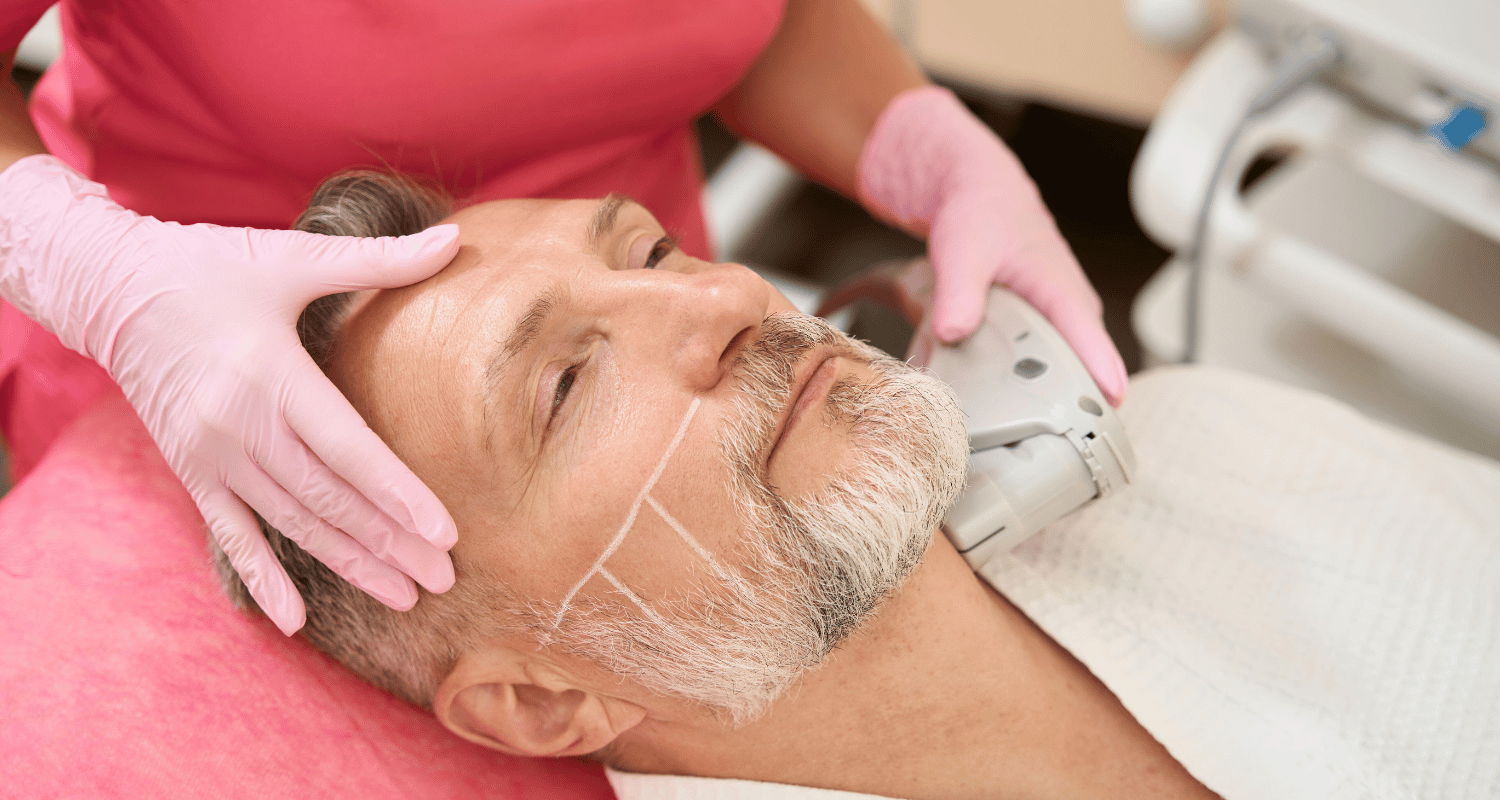
IPL (Intense Pulsed Light) is a light-based treatment that uses broad-spectrum pulses of light rather than a single laser wavelength. These light pulses are absorbed by pigment and blood vessels, helping improve discoloration, redness, and uneven skin tone.
Because IPL uses multiple wavelengths and spreads energy over a wider area, it can address several concerns in one session, including pigmentation, redness, and mild texture issues.
Why Patients Choose IPL
✔ Can treat redness and pigmentation simultaneously
✔ Broad light coverage for overall tone improvement
✔ Often comfortable with minimal recovery time
✔ Suitable for superficial pigmentation concerns
✔ Quick treatment sessions for large areas
IPL is commonly chosen by patients who want overall skin clarity improvement rather than targeting a single specific lesion.
What Is Laser Treatment?
Laser treatments use a single, focused wavelength of light to target a specific skin concern such as melanin (pigment) or hemoglobin (blood vessels). This precise energy allows lasers to treat deeper or more stubborn skin issues.
Examples commonly used in Korean clinics include Q-switched toning lasers, vascular lasers, and fractional lasers, each designed for different skin concerns.
Why Patients Choose Laser Treatments
✔ Highly precise targeting of specific concerns
✔ Effective for deeper pigmentation issues
✔ Can treat stubborn spots and melasma
✔ Adjustable energy levels for customized treatments
✔ Widely used for advanced skin correction
Because lasers are highly targeted, they are often selected when patients want more precise treatment of pigment or vascular issues.
Key Differences Between IPL and Laser for Sensitive Skin
The main difference lies in how the energy is delivered to the skin.
- IPL uses broad-spectrum light with multiple wavelengths that spread across the skin surface. This allows it to treat redness and pigmentation at the same time but may affect multiple chromophores in the skin.
- Laser treatments use a single wavelength, allowing very precise targeting of pigment or vessels. This focused approach can make treatment more controlled when addressing specific concerns.
In summary, IPL treats multiple superficial concerns across the skin, while laser treatments provide more targeted correction for specific issues.
Downtime Comparison
Both IPL and many non-ablative laser treatments are considered low-downtime procedures.
- With IPL, most patients experience:
- Mild redness or warmth for several hours
- Temporary darkening of pigmented spots before flaking
- Minimal disruption to daily activities
- With laser treatments, patients may experience:
- Temporary redness or warmth
- Mild sensitivity for a short period
- Slight dryness depending on the laser type
These side effects are generally temporary and resolve within a few hours to a few days for most patients.
Which Is Better for Sensitive Skin?
For very reactive skin types, gentle laser toning treatments are often preferred because the energy can be precisely controlled and focused on pigment without affecting surrounding tissue.
IPL can still be appropriate for sensitive skin when low settings are used, particularly for patients dealing with redness or superficial discoloration.
In many Korean clinics, doctors may combine treatments such as:
- Low-energy laser toning
- IPL photofacial
- Calming skincare treatments
- Barrier-strengthening skincare
This layered approach helps improve skin clarity while minimizing irritation.
Ideal for Travelers Visiting Seoul
Both IPL and gentle laser treatments are commonly chosen by international visitors because they involve minimal downtime.
Most patients experience:
- No open wounds
- No bandages
- Mild temporary redness
- Quick return to normal activities
This makes them convenient options for travelers who want treatment without interrupting their trip.
Who Is a Good Candidate for IPL?
- Patients with redness or flushing
- Individuals with sun spots or freckles
- People seeking overall tone improvement
- Patients wanting quick, broad skin rejuvenation
- Those with mild surface pigmentation
Who Is a Good Candidate for Laser Treatments?
- Patients with deeper pigmentation concerns
- Individuals with melasma or stubborn pigment
- People seeking precise treatment of spots
- Patients requiring targeted skin correction
- Those comfortable with customized laser settings
Expected Results Timeline
- Subtle improvement may appear after the first session
- Noticeable brightening after several treatments
- Continued sessions improve tone and clarity
- Long-term results depend on sun protection and skincare
Final Takeaway
IPL and laser treatments in Korea both offer effective options for improving skin clarity with relatively little downtime.
IPL uses broad-spectrum light to treat multiple surface concerns such as redness and pigmentation, while laser treatments deliver more targeted energy for specific skin issues.
For sensitive skin, the most suitable option depends on the underlying concern, the energy settings used, and how reactive the skin is. With careful adjustment and professional evaluation, both treatments can be performed safely while helping patients achieve clearer and more balanced skin. ✨