IPL Photofacial vs Laser Toning for Hyperpigmentation in Korea
For patients visiting Seoul for hyperpigmentation treatment, two commonly discussed options are IPL photofacial and laser toning. Both treatments are widely performed in Korea to address uneven skin tone, sun spots, and dull complexion, but they differ in technology and treatment focus.
Understanding how each method works helps patients choose the most appropriate option for their skin concerns and recovery expectations.
What Is IPL Photofacial?
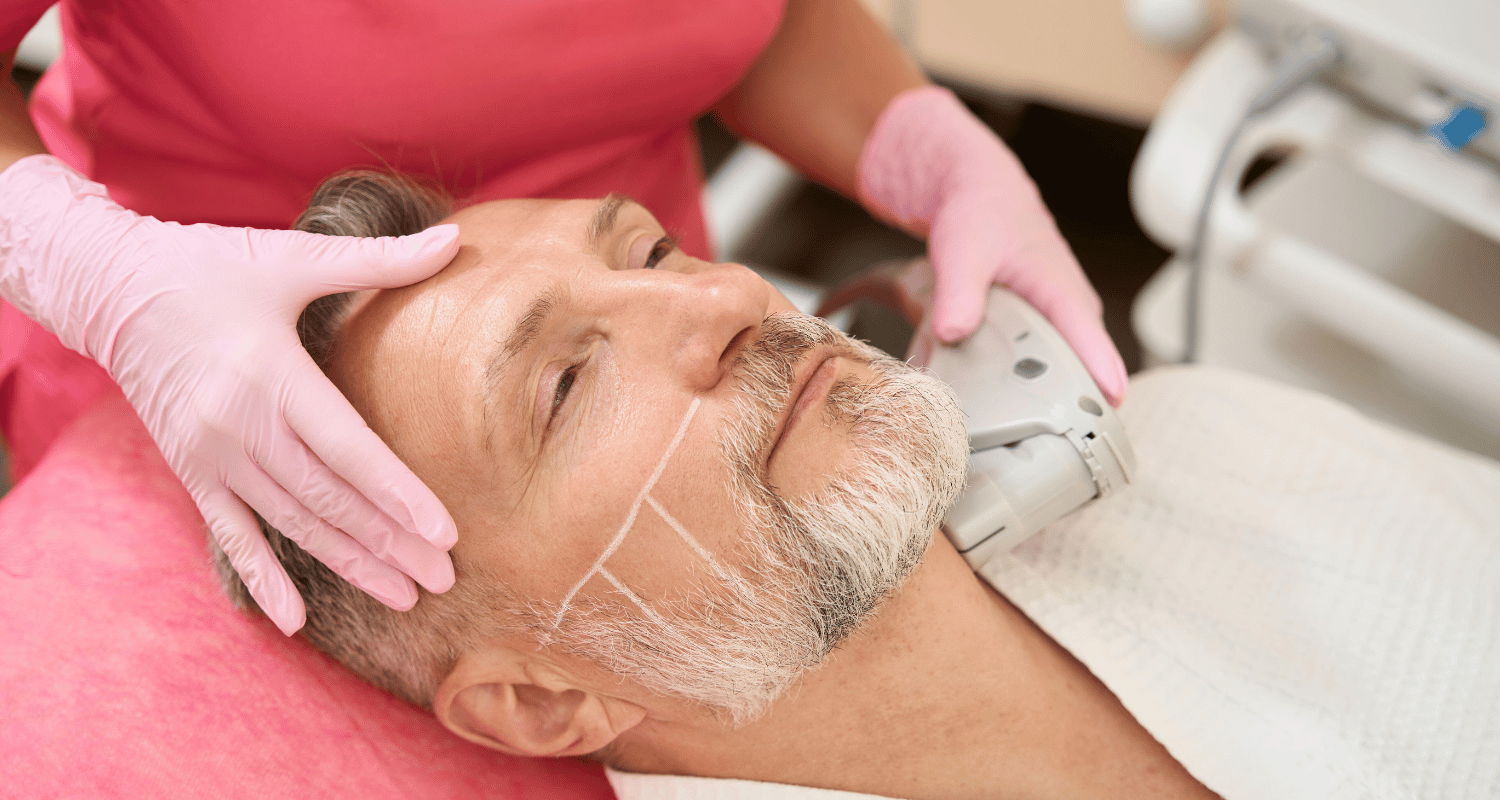
IPL (Intense Pulsed Light) photofacial uses broad-spectrum light to target pigment and vascular irregularities in the skin. The light energy is absorbed by melanin and hemoglobin, helping reduce visible discoloration and promote a brighter complexion.
Because IPL covers a larger treatment area, it is often used for overall skin tone improvement.
Why Patients Choose IPL Photofacial
✔ Targets multiple pigment concerns at once
✔ Helps improve overall skin brightness
✔ Can address redness and visible vessels
✔ Treats large facial areas efficiently
✔ Minimal downtime for most patients
IPL photofacial is commonly selected for mild sun damage and uneven skin tone.
What Is Laser Toning?
Laser toning typically uses a low-fluence Q-switched Nd:YAG laser to gradually break down melanin in the skin. In Korea, it is widely used for managing hyperpigmentation conditions such as melasma.
The treatment focuses on gradual pigment reduction while maintaining skin stability.
Why Patients Choose Laser Toning
✔ Gentle, controlled pigment treatment
✔ Suitable for melasma-prone skin
✔ Lower risk of rebound pigmentation
✔ Gradual and stable improvement
✔ Can be repeated frequently
Because of its conservative settings, laser toning is often used for long-term pigmentation management.
Key Differences Between IPL Photofacial and Laser Toning
The main difference lies in how energy is delivered to pigment.
- IPL uses broad-spectrum light that targets multiple chromophores, including melanin and hemoglobin. It is effective for general discoloration, sun spots, and redness.
- Laser toning uses a specific laser wavelength that focuses primarily on melanin particles, gradually fragmenting pigment while minimizing heat buildup.
In summary, IPL is often used for overall tone correction and sun damage, while laser toning focuses on controlled melanin reduction for persistent pigmentation.
Downtime Comparison
Both treatments are generally considered low-downtime procedures.
- With IPL photofacial, patients may experience:
- Mild redness for several hours
- Temporary darkening of pigment spots
- Light flaking over several days
- Same-day return to most activities
- With laser toning, patients may experience:
- Mild redness for 1–2 hours
- Rare temporary dryness
- No visible peeling in most cases
- Makeup possible the same day
Recovery is typically mild for both procedures when performed with conservative settings.
Which Is Better for Hyperpigmentation?
The best choice depends on the type of pigmentation.
For sun spots, freckles, and mild discoloration, IPL photofacial may produce noticeable improvement in overall skin tone. For melasma and deeper pigment conditions, laser toning is often preferred because of its gradual and controlled approach.
In many Seoul clinics, treatment plans may include:
- IPL for sun damage and redness
- Laser toning for melasma management
- Topical brightening skincare
- Consistent sun protection
This combination approach helps address multiple causes of uneven pigmentation.
Ideal for Travelers Visiting Seoul
Both treatments are commonly performed during short medical visits in Seoul.
Most patients experience:
- No bandages
- Temporary redness
- Minimal disruption to daily activities
- Gradual improvement with repeated sessions
Because downtime is minimal, many patients can resume sightseeing shortly after treatment.
Who Is a Good Candidate for IPL Photofacial?
- Sun spots or freckles
- Uneven skin tone from sun exposure
- Mild redness or visible vessels
- Patients seeking overall skin brightening
- Individuals with minimal downtime preference
Who Is a Good Candidate for Laser Toning?
- Melasma-prone skin
- Persistent hyperpigmentation
- Sensitive or reactive skin types
- Patients preferring gradual pigment control
- Those seeking long-term maintenance treatments
Expected Results Timeline
- Subtle brightening after 1 session
- More visible improvement after 3–5 sessions
- Gradual tone balancing with maintenance treatments
- Long-term results supported by sun protection
Final Takeaway
IPL photofacial and laser toning are both widely used in Korea for treating hyperpigmentation, but they serve different purposes.
IPL focuses on overall skin tone improvement and sun damage correction, while laser toning offers controlled melanin reduction for persistent pigmentation such as melasma.
The ideal choice depends on the type of pigment concern, skin sensitivity, and treatment goals, with personalized planning helping achieve clearer and more balanced skin tone over time. ✨