HIFU vs Face Yoga Therapy in Korea
For visitors traveling to Seoul for facial lifting and anti-aging treatments, both HIFU and face yoga therapy are sometimes considered non-surgical options. However, they are very different approaches to improving facial firmness and contour.
HIFU (High-Intensity Focused Ultrasound) is a medical aesthetic procedure that stimulates collagen in deeper skin layers using focused ultrasound energy. Face yoga therapy, on the other hand, consists of facial exercises designed to strengthen facial muscles and improve circulation. Because one is a clinical treatment and the other is a lifestyle practice, their results and timelines can differ significantly.
What Is HIFU?
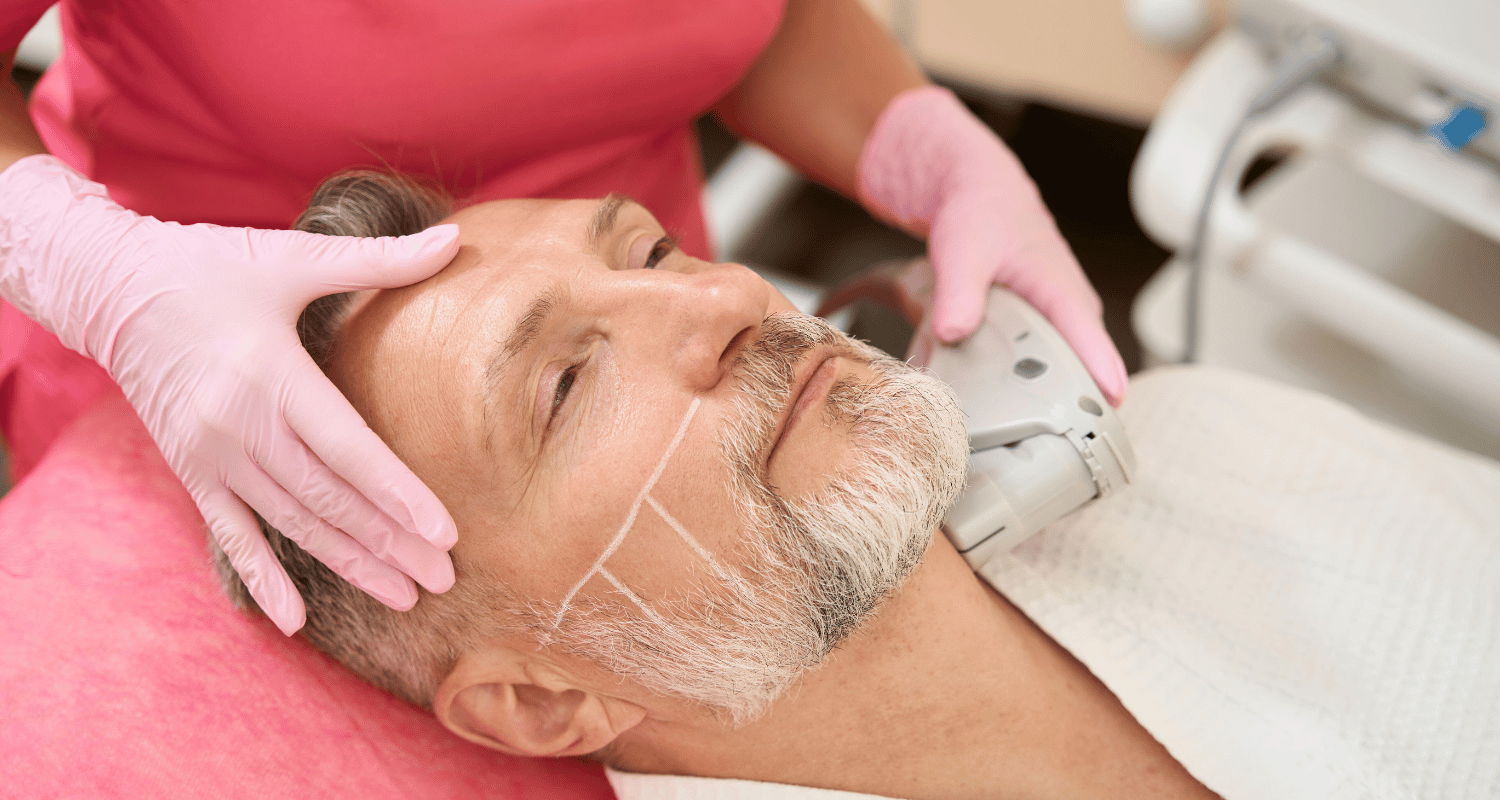
HIFU is a non-invasive aesthetic treatment that delivers focused ultrasound energy into deeper layers of the skin, including the SMAS layer, which is the same structural layer targeted during surgical facelifts. The heat created by ultrasound triggers collagen contraction and stimulates new collagen production over time.
Because it targets deep structural layers, HIFU is commonly used to tighten sagging skin on the cheeks, jawline, chin, and neck. Improvements typically appear gradually over several weeks as collagen remodeling occurs.
Why Patients Choose HIFU
✔ Deep collagen stimulation without surgery
✔ Lifts sagging areas such as the jawline and cheeks
✔ Often requires only one treatment session
✔ Results can last around 12–18 months in many patients
✔ Popular non-surgical lifting procedure in Korean clinics
HIFU is commonly chosen by patients seeking visible lifting and contour improvement without undergoing surgical procedures.
What Is Face Yoga Therapy?
Face yoga therapy refers to a series of facial exercises designed to strengthen facial muscles, improve circulation, and potentially enhance facial tone. The exercises often involve repeated movements such as lifting the cheeks, stretching the mouth area, or tightening muscles around the eyes.
The idea behind face yoga is that strengthening facial muscles may help support the skin and improve overall facial firmness over time. Unlike medical treatments, results depend heavily on consistency and long-term practice rather than a single session.
Why Patients Choose Face Yoga Therapy
✔ Completely non-invasive and natural approach
✔ No equipment or medical procedures required
✔ Can improve facial muscle awareness and circulation
✔ Easy to perform at home regularly
✔ Often used as part of daily skincare routines
Face yoga is often chosen by individuals who prefer a natural self-care approach rather than clinic-based aesthetic procedures.
Key Differences Between HIFU and Face Yoga Therapy
The main differences involve treatment method, depth of effect, and expected results.
- HIFU uses focused ultrasound energy to create thermal points deep within the skin, triggering collagen regeneration and structural tightening.
- Face yoga therapy relies on repeated muscle movements to strengthen facial muscles and improve circulation but does not directly stimulate collagen in deeper skin layers.
In simple terms, HIFU works on the skin’s structural support layers, while face yoga mainly works on facial muscles and circulation.
Downtime Comparison
Both options have minimal disruption to daily life, but their experiences differ.
- With HIFU, patients may experience:
- Mild redness or swelling for a few hours
- Slight tenderness in treated areas
- Immediate return to normal activities
- With face yoga therapy, individuals typically experience:
- No downtime at all
- Gradual improvements only with consistent practice
- No medical recovery period
HIFU is still considered minimally invasive, but face yoga involves no medical intervention.
Which Is Better for Facial Lifting?
The most suitable option depends on the desired level of improvement.
HIFU is generally more effective for lifting sagging skin because it targets deeper structural layers and stimulates collagen regeneration. Clinical studies report visible improvements in skin laxity in many patients after treatment.
Face yoga may help improve facial muscle tone and circulation, but it typically produces subtle results compared with medical skin-tightening procedures.
Ideal for Travelers Visiting Seoul
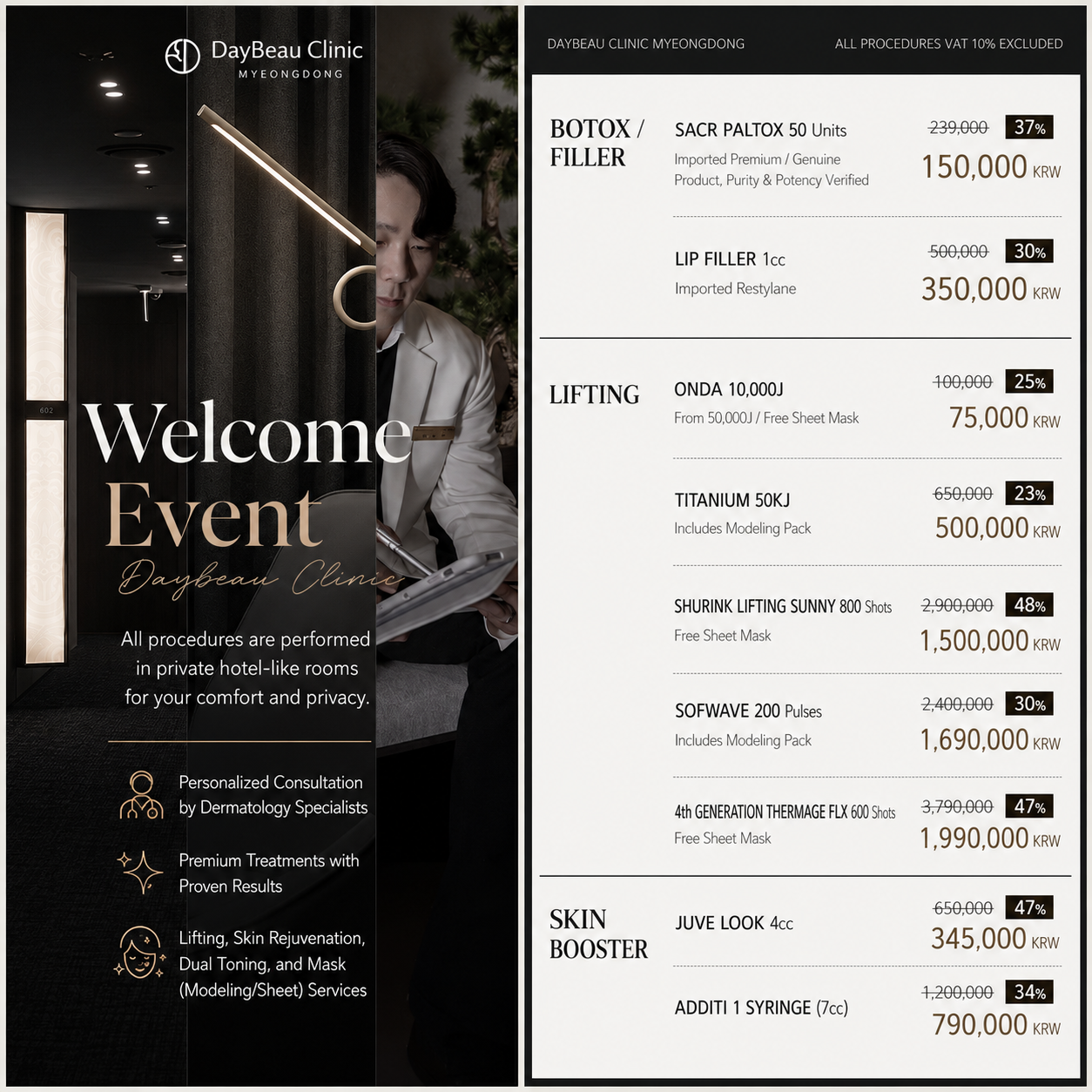
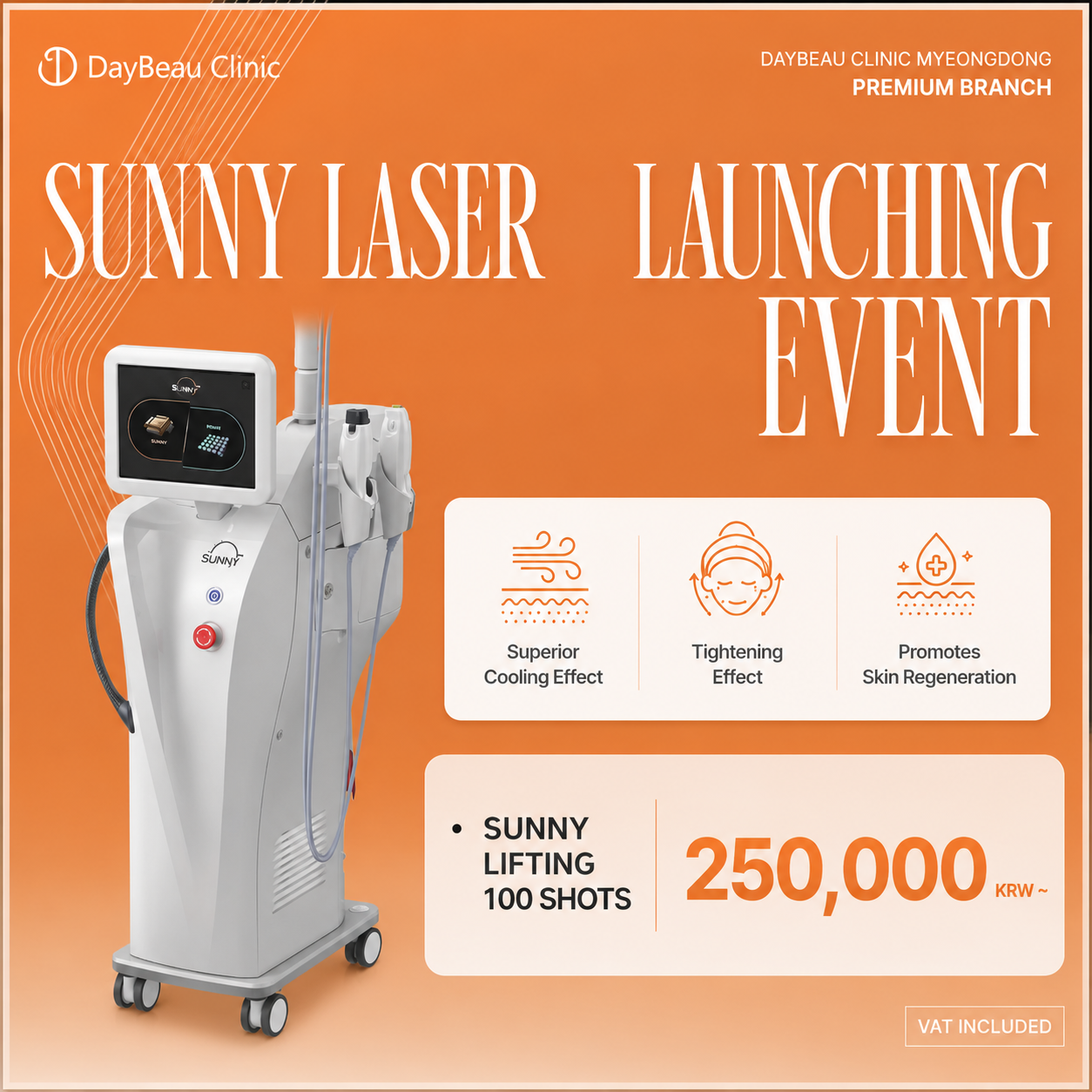
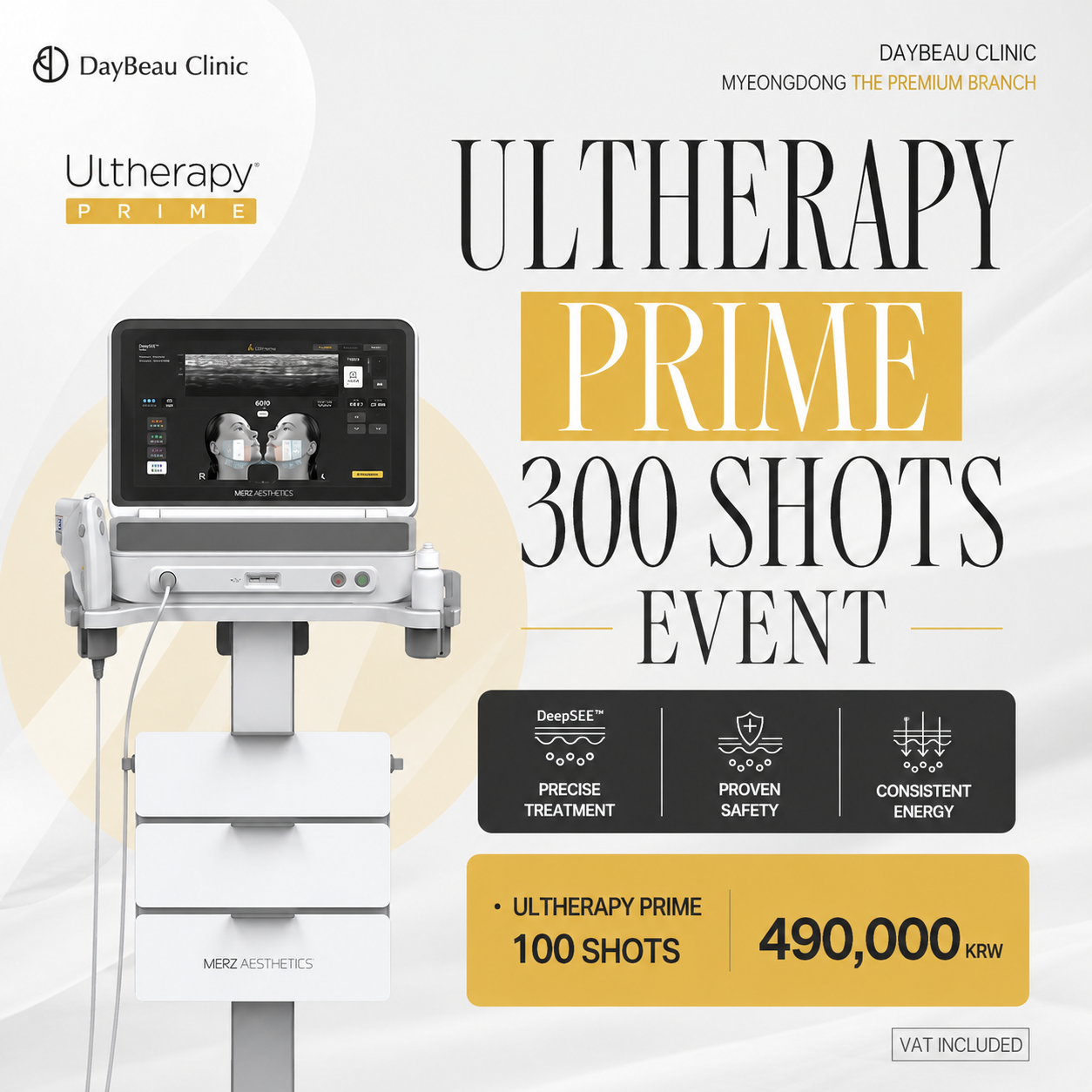
HIFU is a popular treatment among international visitors to Seoul seeking non-surgical facial lifting procedures. Many clinics offer HIFU devices such as Shurink, Ultraformer, or Ultherapy as part of medical aesthetic programs.
Face yoga therapy, by contrast, does not require clinic visits and can be practiced anywhere, making it more of a long-term self-care routine rather than a travel-specific treatment.
Who Is a Good Candidate for HIFU?
- Patients with mild to moderate skin laxity
- Individuals seeking non-surgical facial lifting
- Those wanting noticeable tightening results
- Patients with early jawline sagging or jowls
- Individuals looking for long-lasting collagen stimulation
Who Is a Good Candidate for Face Yoga Therapy?
- Individuals interested in natural facial exercise routines
- People with early signs of aging seeking preventive care
- Those who prefer non-medical approaches
- Individuals willing to practice exercises regularly
- Patients focusing on muscle tone rather than skin lifting
Expected Results Timeline
- HIFU:
- Initial tightening may appear within 2–4 weeks
- Collagen regeneration continues for 3–6 months
- Results may last about 12–18 months depending on skin condition
- Face Yoga Therapy:
- Subtle improvements may appear after weeks or months of consistent practice
- Results depend heavily on frequency and technique
Final Takeaway
HIFU and face yoga therapy represent two very different approaches to facial rejuvenation.
HIFU uses medical ultrasound technology to stimulate collagen deep within the skin, producing measurable tightening and lifting effects. Face yoga focuses on strengthening facial muscles and improving circulation through regular exercises.
For individuals seeking noticeable lifting and contour improvement, HIFU is generally the more effective option. Face yoga, however, can complement skincare routines and may support overall facial muscle tone when practiced consistently. Many visitors to Seoul choose HIFU because it offers clinically supported tightening with minimal downtime. ✨