Exosome Injection vs PRP Therapy in Korea
For visitors traveling to Seoul for regenerative skin treatments, biologic therapies such as exosome injections and PRP therapy have gained significant attention. Many international patients ask which option is better for improving skin quality, accelerating healing, and stimulating collagen production.
Both treatments are widely used in Korean aesthetic clinics and focus on activating the skin’s natural repair processes. However, their sources, mechanisms, and treatment experiences differ. Understanding these differences can help patients choose the most appropriate option for their skin concerns.
What Is PRP Therapy?
PRP (Platelet-Rich Plasma) therapy is a regenerative treatment that uses a patient’s own blood to stimulate skin repair. During the procedure, blood is drawn and processed through centrifugation to concentrate platelets, which contain growth factors that promote healing and collagen production.
Once injected or applied to the skin, these growth factors activate the body’s natural regeneration process, improving skin texture, elasticity, and overall skin quality over time.
Why Patients Choose PRP Therapy
✔ Uses the patient’s own blood (autologous treatment)
✔ Natural stimulation of collagen production
✔ Improvement in skin texture and tone
✔ Commonly used with microneedling or laser treatments
✔ Widely established regenerative treatment
What Is Exosome Injection?
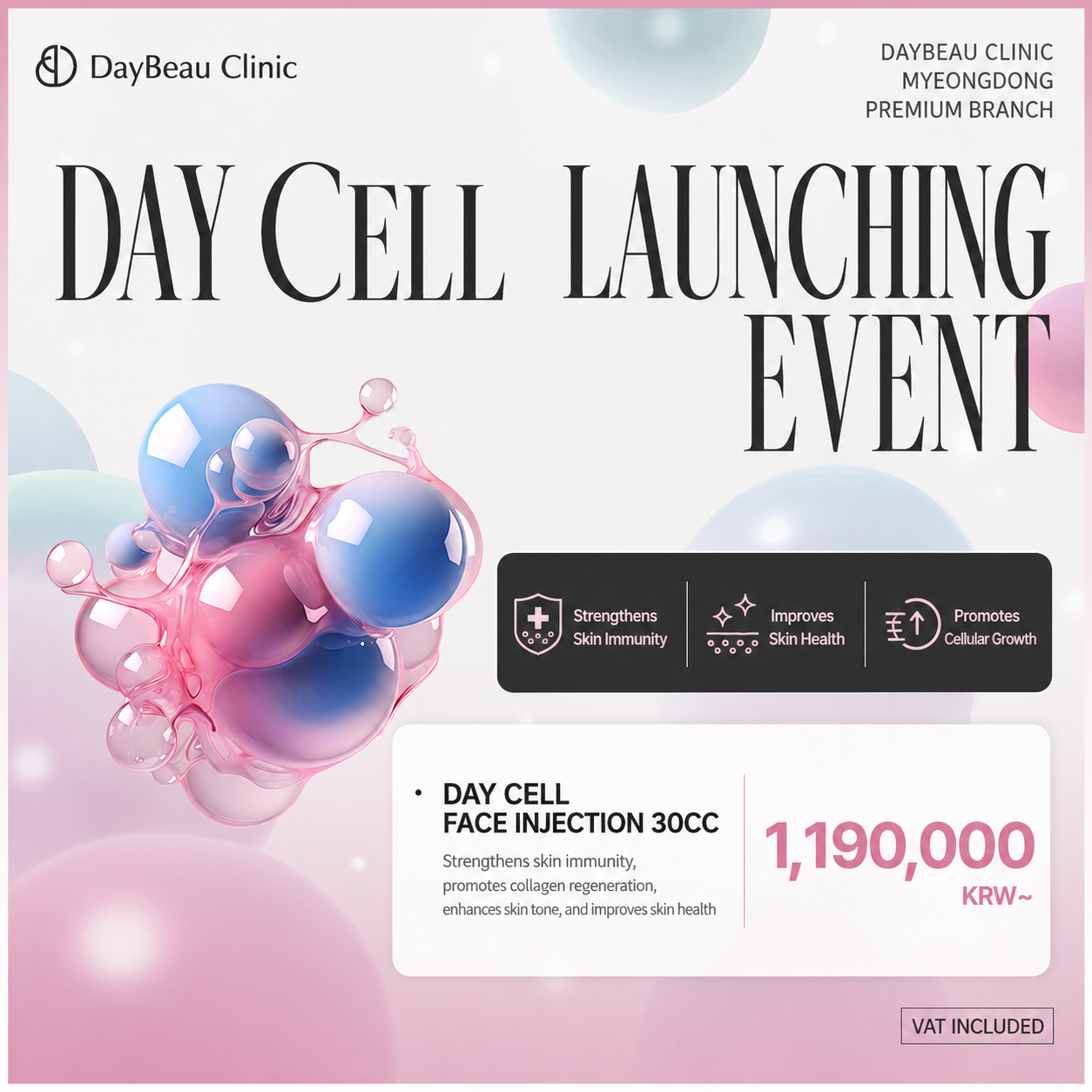
Exosome injections are a newer regenerative treatment that uses microscopic extracellular vesicles derived from stem cells or other biological sources. These vesicles contain proteins, growth factors, and RNA molecules that help cells communicate and repair damaged tissue.
When injected into the skin, exosomes send signals that stimulate collagen production, reduce inflammation, and support cellular regeneration. Because they contain many bioactive molecules, they can trigger multiple repair pathways simultaneously.
Why Patients Choose Exosome Injections
✔ Advanced regenerative technology
✔ High concentration of signaling molecules
✔ Potential anti-inflammatory effects
✔ Often used after lasers or microneedling
✔ Consistent formulation independent of patient biology
Key Differences Between Exosome Injections and PRP Therapy
The main difference between these treatments lies in their source and how regenerative signals are delivered to the skin.
- PRP therapy uses platelets from the patient’s own blood, which release growth factors that stimulate collagen production and tissue repair. Because it relies on the patient’s biology, results may vary depending on platelet concentration and overall health.
- Exosome injections deliver laboratory-prepared extracellular vesicles containing proteins, RNA, and signaling molecules that guide cellular repair and regeneration. These signals can stimulate multiple pathways involved in skin healing and collagen formation.
In general, PRP focuses on using the body’s own healing factors, while exosome therapy provides concentrated regenerative signals from externally prepared sources.
Downtime Comparison
Both treatments are minimally invasive procedures that involve injections or application to the skin.
- After PRP therapy, patients may experience:
- Mild swelling or redness for 1–2 days
- Small injection marks
- Slight tenderness in treated areas
- Gradual improvement as collagen develops
- After exosome injections, patients may experience:
- Mild redness for several hours
- Slight swelling at injection sites
- Minimal post-treatment irritation
- Faster calming of inflammation in some cases
Most patients can return to normal daily activities shortly after treatment.
Which Is Better for Skin Regeneration?
Both treatments stimulate skin repair, but they may be chosen for slightly different regenerative goals.
Exosome injections are often preferred for:
- faster cellular repair and recovery
- reducing inflammation after procedures
- improving overall skin texture and radiance
PRP therapy may be preferred for:
- patients wanting an autologous treatment
- natural collagen stimulation using their own blood
- gradual skin rejuvenation over multiple sessions
Treatment choice often depends on patient preference, treatment goals, and whether the patient prefers biologic signals from their own body or laboratory-prepared regenerative factors.
Ideal for Travelers Visiting Seoul
Both exosome injections and PRP therapy are commonly performed in Seoul and are popular among medical tourists seeking regenerative skin treatments.
Most patients experience:
- No surgical incisions
- Short treatment sessions
- Minimal recovery time
- Little disruption to travel schedules
These treatments are also frequently combined with laser procedures or microneedling to enhance skin healing and rejuvenation.
Who Is a Good Candidate for Exosome Injections?
- Patients seeking advanced regenerative treatments
- Individuals wanting faster recovery after skin procedures
- Patients with inflammation-prone or sensitive skin
- Those interested in cutting-edge skin rejuvenation technologies
- Patients looking for comprehensive cellular repair
Who Is a Good Candidate for PRP Therapy?
- Patients preferring treatments derived from their own body
- Individuals seeking natural collagen stimulation
- Patients with mild skin aging or texture concerns
- Those interested in established regenerative procedures
- Patients combining treatment with microneedling or lasers
Expected Results Timeline
- Early skin improvement may appear within the first few weeks
- Continued collagen stimulation over several weeks
- Progressive improvement with repeated treatments
- Maintenance sessions may be recommended for sustained results
Final Takeaway
Exosome injections and PRP therapy in Korea are both regenerative treatments designed to stimulate collagen production and improve overall skin health.
PRP therapy uses the patient’s own platelets to activate natural healing pathways, while exosome injections deliver concentrated cellular signals that promote tissue repair and regeneration.
For international patients visiting Seoul, understanding the differences between these treatments can help guide expectations and support a personalized approach to regenerative skin rejuvenation. ✨