Acne Laser vs Chemical Peeling in Korea
Acne and post‑acne concerns are common reasons international patients seek dermatologic treatments in Seoul. Two widely performed procedures for acne management and skin quality improvement are acne laser treatments and chemical peels. While both aim to reduce acne activity and improve texture, they work in different ways and are suited to different skin needs.
What Is Acne Laser Treatment?
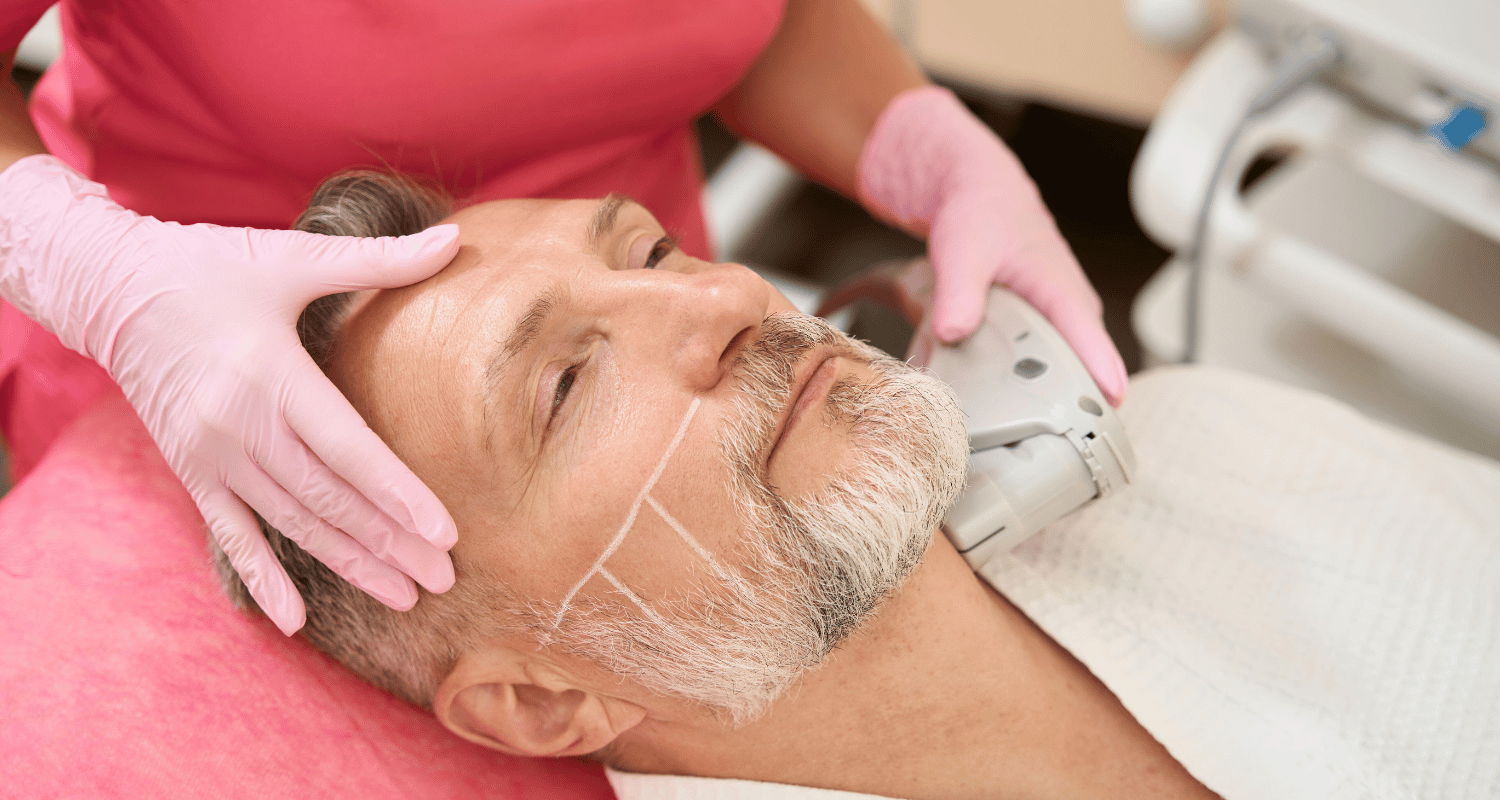
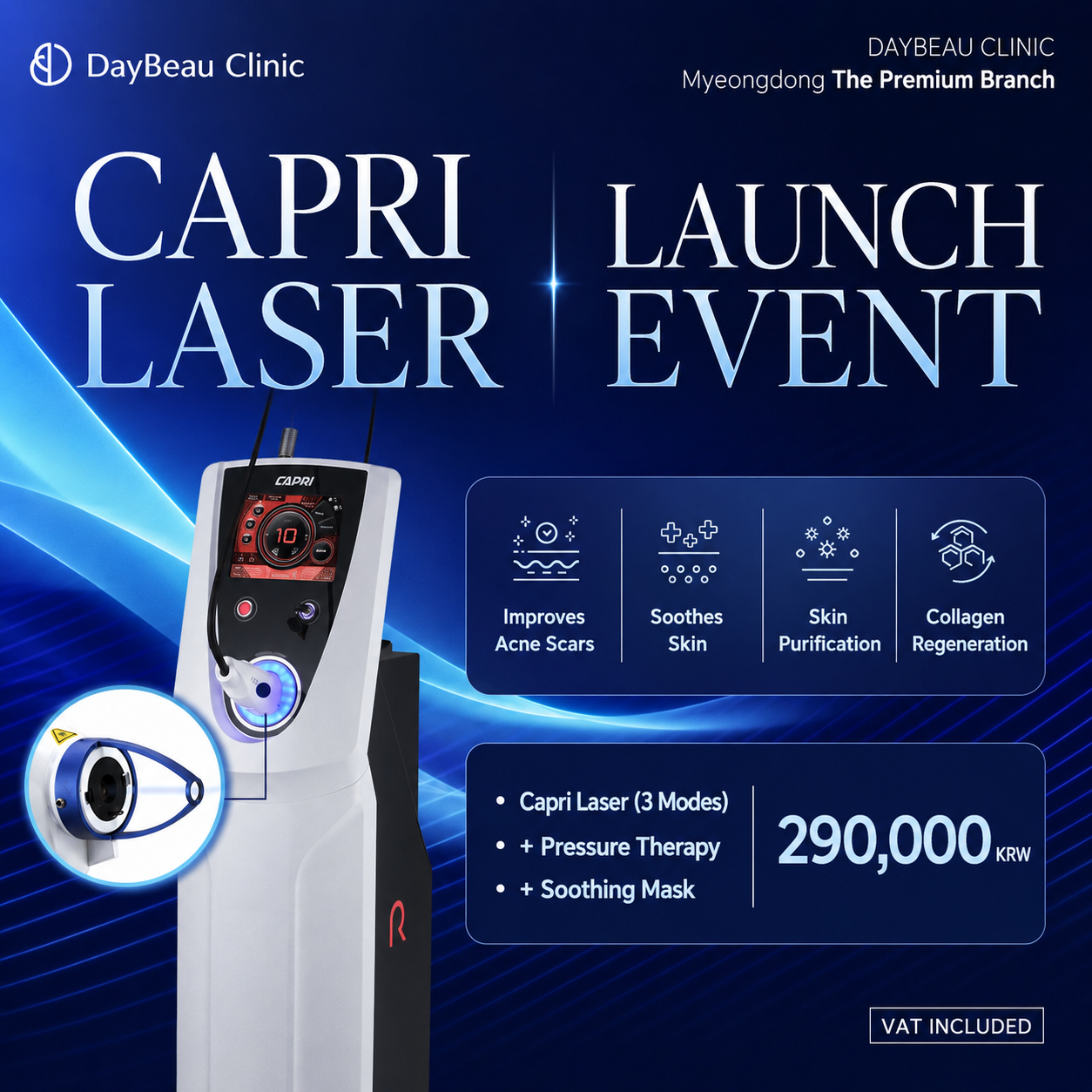
Acne laser treatments use specific laser wavelengths to target sebaceous glands, bacteria, and inflammation associated with acne. Devices such as long‑pulsed Nd:YAG lasers, diode lasers, and fractional lasers may be used depending on the acne type and skin sensitivity.
These treatments help reduce oil production, calm inflammation, and encourage collagen remodeling in acne‑affected skin. Acne lasers can also target post‑inflammatory pigmentation and early scarring in mild to moderate acne.
Why Patients Choose Acne Laser
✔ Targets acne inflammation and oil production
✔ Helps reduce acne scars and marks
✔ Improves skin texture over time
✔ Can complement topical or oral therapies
✔ Minimal downtime with non‑ablative systems
Acne laser treatments are often chosen by patients who want a technology‑based approach to reduce active breakouts and improve the overall appearance of acne‑prone skin.
What Is Chemical Peeling?
Chemical peeling involves applying a controlled acid solution—such as glycolic acid, salicylic acid, lactic acid, or medium‑depth TCA—to exfoliate the top layers of the skin. The peeling process removes dead skin cells, unclogs pores, and speeds up skin renewal.
Peels are available at different strengths: light peels for mild exfoliation, medium peels for deeper resurfacing, and blended peels for combined effects. Chemical peeling has long been used in Korea as a staple treatment for acne and dull skin.
Why Patients Choose Chemical Peeling
✔ Unclogs pores and clears congestion
✔ Removes dead skin buildup
✔ Improves dullness and rough texture
✔ Customizable peel strength
✔ Can be combined with other acne treatments
Chemical peels are often preferred by patients who want a gentle exfoliating approach that improves both acne and general skin radiance.
Key Differences Between Acne Laser and Chemical Peeling
The main difference lies in how each treatment addresses acne and skin renewal.
- Acne laser therapy delivers focused light energy to target inflammation, sebaceous activity, and collagen stimulation. Its effect goes beyond surface exfoliation and can help regulate deeper factors contributing to acne formation.
- Chemical peeling removes superficial skin layers to clear clogged pores and promote more rapid cell turnover, which helps reduce surface congestion and improve texture.
In simple terms, acne lasers focus on deeper influences of acne such as inflammation and oil production, while chemical peels accelerate natural exfoliation at the surface.
Downtime Comparison
Recovery experiences differ slightly between the two treatments.
- With acne laser treatments, patients may experience:
- Mild redness or warmth
- Occasional light swelling
- Temporary sensitivity to sunlight
- Quick return to daily activities
- With chemical peeling, depending on peel strength, patients may experience:
- Mild tingling during the procedure
- Slight peeling or flaking for 1–3 days (light peels)
- Redness and dry skin with deeper peels
- Sun sensitivity after peeling
Overall, light peels and non‑ablative laser treatments usually involve minimal downtime, while stronger peels require a short recovery period.
Which Is Better for Acne?
The best option depends on the type and severity of acne.
Chemical peels are often used first for mild acne and congested skin to clear pores and improve texture. They help remove buildup that can contribute to breakouts and are frequently repeated in series.
Acne laser treatments are typically recommended for inflammatory acne, early scarring, and cases that do not respond sufficiently to topical therapies alone. Lasers can reduce active acne and target acne marks with controlled energy.
In many Seoul clinics, dermatologists use a comprehensive approach that may include:
- Acne laser sessions
- Chemical peel series
- Topical acne medications
- LED therapy for calming
This combined strategy ensures surface and deeper acne‑related factors are addressed.
Ideal for Travelers Visiting Seoul
Both acne laser and chemical peeling can be performed during short medical tourism stays with limited interruption to daily activities.
Most patients experience:
- Quick outpatient procedures
- Minimal visible wounds
- Temporary redness only
- Short recovery for most treatments
For travelers with sensitive skin, conservative settings and gentle peel formulations are often recommended.
Who Is a Good Candidate for Acne Laser?
- Inflammatory or persistent acne
- Acne with early scarring or texture concerns
- Patients unresponsive to topical therapy
- Those seeking a technology‑based acne solution
- Individuals comfortable with light laser energy
Who Is a Good Candidate for Chemical Peeling?
- Mild to moderate acne and congestion
- Dull or rough skin texture
- Patients seeking gentle exfoliation
- Individuals wanting brighter skin tone
- Those combining peel with topical acne care
Expected Results Timeline
- Texture improvement may be visible after 1 session
- Acne reduction often visible within a few weeks
- Series of sessions usually recommended
- Continued improvement with maintenance care and skincare
Final Takeaway
Acne laser and chemical peeling in Korea both offer effective strategies for improving acne‑prone skin, but they work through different mechanisms.
Chemical peeling focuses on exfoliating and unclogging pores to improve texture and reduce mild acne, while acne lasers target inflammation, oil production, and early scarring with focused light energy.
The most appropriate choice depends on acne severity, skin sensitivity, and treatment goals. Many patients visiting Seoul benefit from a tailored combination of both approaches to achieve clearer, smoother, and healthier‑looking skin. ✨